What are the uses and purposes of cacti?
The cactus is probably the plant we encounter most often. We both love and hate cacti: we love them because we admire their spirit, and we dislike them because they can hurt us when we are not paying attention. Next, let us learn about what the uses of cacti are.
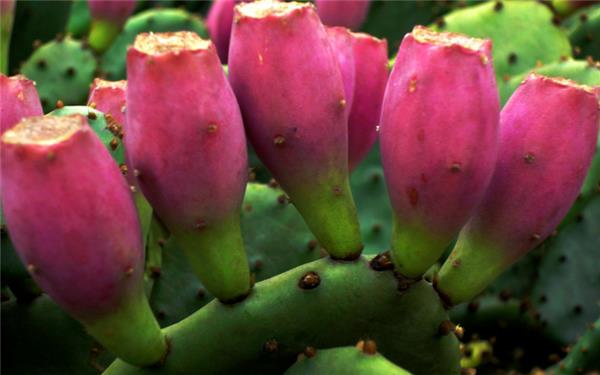
I. The uses of cacti
Cacti as food
People often think that cacti are only ornamental plants, Stir-fried cactus with lily, and have no other use. Actually, this is not the case. The fruits of many cactus species can not only be eaten raw, but can also be used to make wine or dried into fruit slices. The cactus has traditionally been a food of the Americas, an indispensable specialty vegetable and fruit in people's daily lives. People wash and chop the cactus and boil it in soup, or roast it over a stove, or use it as a pie filling, or directly pickle fresh cactus, and some use cactus to make wine. In the markets of Mexico, the young stems of some flat-padded cacti can be sold as vegetables. The woody trunks of some columnar cacti have long been used by Indigenous peoples as building material. The flat stem segments of cacti can not only be used as livestock feed, but their viscous sap can also be used as a purifying agent to clean water quality. In some places, cacti with dense spines are planted beside houses and fields as thorn hedges.
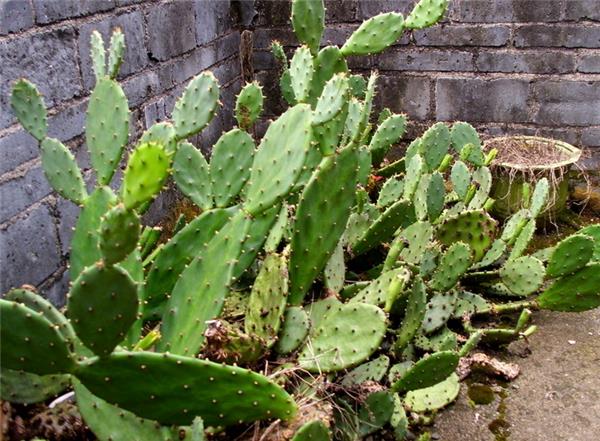
Cacti as medicine
In every 100 grams of edible cactus, there are about 220 micrograms of vitamin A, 16 milligrams of vitamin C, 1.6 grams of protein, and 2.7 milligrams of iron, and it can produce 25 kcal-30 kcal of heat. In recent years, many countries have begun to use cactus to treat arteriosclerosis, diabetes and obesity, and have achieved very good results. It is said that this is mainly because the vitamins contained in cactus can inhibit the absorption of fat and cholesterol and can slow the uptake of glucose. Edible cactus is very rich in nutrients. It contains a large amount of vitamins and minerals and has the effects of lowering blood sugar, blood lipids and blood pressure. The young stems of edible cactus can be eaten as vegetables, the fruit is a sweet-tasting fruit, and the old stems can also be processed into health products and medicines that help remove blood lipids and lower cholesterol. Mexico's pastries, snacks and dishes, which are widely praised, are made using the flowers of local cactus-family plants.
II. Growing cacti
Air, water and soil are all indispensable. How to master and moderately adjust their optimal growing conditions so that cacti and flowering cacti can grow well is even more crucial. Now let us together understand and master the basic techniques of cactus cultivation.
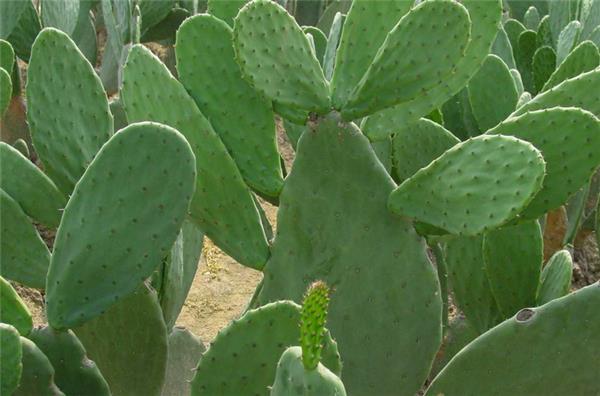
Light: Most cacti very much like to grow in full sunlight. Although cacti grow more slowly under the blazing sun, the plants are relatively more robust, and strong sunlight can promote the plants to bloom more and bear fruit easily. The strong-spined genus and the golden barrel genus, when grown under abundant sunlight, also grow thicker spines with more vivid spine color.
Water
The vast majority of cacti and flowering cacti originate from the hot, arid desert wilderness areas of South and North America, which has given them the characteristics of drought tolerance and high-temperature resistance. Some large plants will not die of dryness even if they are not watered for one or two years. For example, in 1991 the author cultivated a large golden barrel cactus with a ball diameter of 42 cm. Because it suffered rodent damage, a cavity 12-13 cm wide and 6-7 cm deep was gnawed near the bottom of the ball. The wound began to rot due to infection. The only rescue method was to cut off the injured and rotted part from about 1/4 of the ball height above the bottom. After disinfection and air-drying, it was replanted on plain sandy soil to encourage root growth. After nearly a year, the ball diameter shrank by 2-3 cm. After new roots sprouted, it was transplanted onto culture soil and cultivated for more than two months, and the ball diameter returned to its original size. The above example is enough to show how extraordinary the drought tolerance of cacti is. However, being able to endure drought does not mean that cacti like arid environments and that reasonable watering can be ignored. In order to make cultivated cacti and flowering cacti grow well and fully bring out the ornamental characteristics of different varieties, reasonable watering is absolutely necessary.
Temperature
The growth and development of all green plants require certain temperature conditions. Plants of different species and from different regions also have different temperature requirements. Cacti and flowering cacti originated in environments with large day-night temperature differences, so most have relatively strong adaptability. As long as there is some stable growing temperature, several types of cacti with different suitable temperatures can also be cultivated together. However, this reluctantly patched-together cultivation method will affect the growth and development of some plants because they cannot obtain suitable growing temperatures for a long time. The optimal growing temperature for most cacti is 20-35°C. The vast majority of species like a relatively large day-night temperature difference. Under conditions of within 35°C during the day and around 15°C at night, it is beneficial to the production and accumulation of organic substances, thereby promoting vigorous growth of the plants.
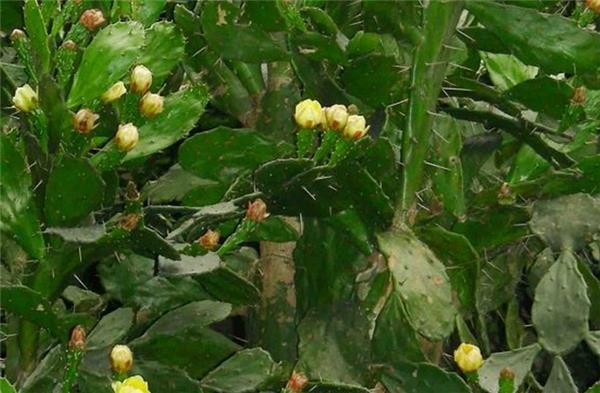
Above, we have gained an understanding of what the uses of cacti are. I believe everyone now has a further understanding of this common, ordinary plant and a clear understanding of the uses of cacti.
Under conditions of around 15°C at night, it is beneficial to the production and accumulation of organic substances, thereby promoting vigorous growth of the plants.
Above, we have gained an understanding of what the uses of cacti are. I believe everyone now has a further understanding of this common, ordinary plant and a clear understanding of the uses of cacti.