Violet flower language: eternal beauty and love, simplicity, virtue
What is the violet flower language? It is believed that for such a romantic and dreamy flowering plant, every woman is quite fond of it. Their pursuit of the violet flower language is a reflection of the artistic temperament in their bones.
I. Violet flower language
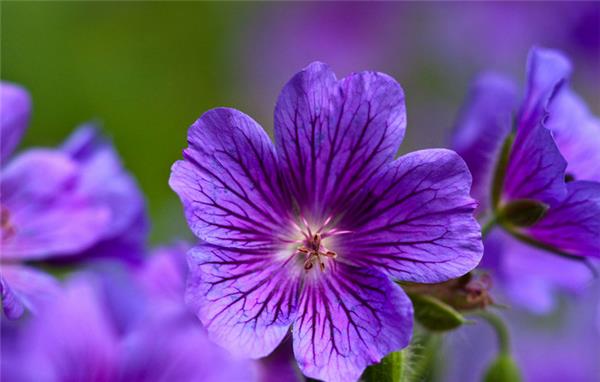
The flower language of the violet is "eternal beauty and love, simplicity, virtue"; the meaning of the violet is "eternal charm"; the violet represents "I like you very much."
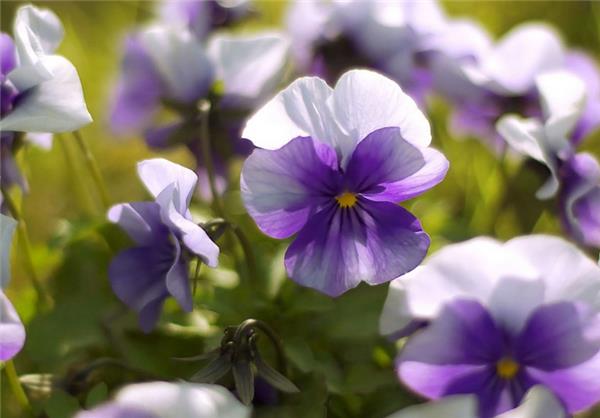
Violets do not only have purple flowers; there are also purple-red, pale red, pale yellow, blue, white and other flower colors. Violets of different colors have different flower languages.
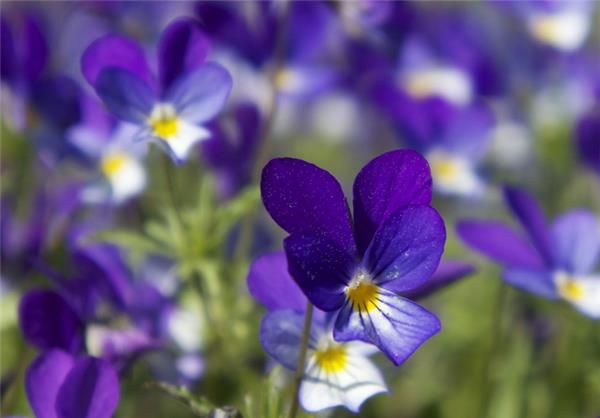
The flower language of the blue violet is: vigilance, loyalty, I will be forever loyal. The blue violet has a very mysterious name - the devil's eye. Legend says that anyone targeted by the demon of this color (blue violet) will fall into hallucinations and gradually lose the ability to control themselves. Therefore, people believe that the blue violet carries an evil power, and it must be guarded and cared for very carefully so that this beautiful color can exist for a long time.
II. How to grow violets
Violet flowers are abundant, the flower colors are bright, the fragrance is rich, the flowering period is long, and the inflorescence is also long. They are loved by many flower growers, suitable for potted viewing, and suitable for arranging flower beds, steps and flower paths. The whole stem of flowers can be used as a bouquet.
1. Choice of flower pot and soil
Since the violet's root system is small, when planting, the flower pot should not be too large; choose a pot according to the size of the plant. The soil for potted plants should be loose, fertile, well-drained, neutral to slightly acidic.
2. Temperature and light
The suitable temperature for violet growth is 18-24°C. In summer, the temperature must not exceed 30°C, so measures such as shading, cooling and humidifying should be taken. It must not be exposed to direct strong light, but it also must not grow for too long under excessively shaded conditions, which will cause fewer flowers, pale colors and even failure to bloom. For home flower growing, it can be placed in a place with scattered light and good ventilation. In winter, the temperature must not be lower than 10°C.
3. Watering and fertilizing
The amount of watering should be determined according to the growing season.
In winter and early spring, when the temperature is low, watering should not be too frequent. Water only after the potting soil has dried, and keep the relative humidity at about 40%. In summer, when the temperature is high, water more, and spray water around it frequently; the relative humidity should be no less than 70%. In autumn, when the climate is cool, watering should be reduced accordingly.
During the growing season, apply once every 2 weeks a thin, fully decomposed cake fertilizer solution or liquid fertilizer, but be careful not to apply excessive nitrogen fertilizer. After flower buds appear, apply 1-2 times 0.5% superphosphate to make the flower colors vivid. When watering and fertilizing, be careful not to get it on the leaves to avoid rot.
4. Pay attention to preventing and controlling pests and diseases
During cultivation, root rot, crown rot, powdery mildew, aphids, mites, thrips, nematodes and other damage are likely to occur. Attention should be paid to ventilation and disinfection of the growing medium before use. When the above pests and diseases are found, relevant pesticides should be sprayed promptly for control.
III. Uses of violets
1. Ornamental. Violet flowers are abundant, the flower colors are bright, the fragrance is rich, the flowering period is long, and the inflorescence is also long. They are loved by many flower growers, suitable for potted viewing, and suitable for arranging flower beds, steps and flower paths. The whole stem of flowers can be used as a bouquet, and they have very good ornamental value.
2. Edible. The light purple violet is mysterious and elegant. It not only has a very good ornamental effect, but also has high medicinal value. The violet can clear heat and detoxify, whiten the skin and remove spots, moisturize the skin, remove wrinkles and fade spots, eliminate bad breath, enhance luster, and protect against ultraviolet radiation. The violet is very helpful for the respiratory tract and also has a conditioning effect on bronchitis. It can also soothe the throat and solve bad breath caused by tooth decay.
The above explains the violet flower language, and at the same time gives an understanding of the violet's growing methods and uses. We admire the beauty of the violet even more, and really want to keep this beauty as a collection.