How to grow Serissa japonica? Teach you the correct care methods
Nowadays everyone pays great attention to the pleasures of life and likes to keep some flowers and plants at home. Serissa japonica is a plant quite suitable for growing at home, so how do you grow Serissa japonica? Let's take a look together below.
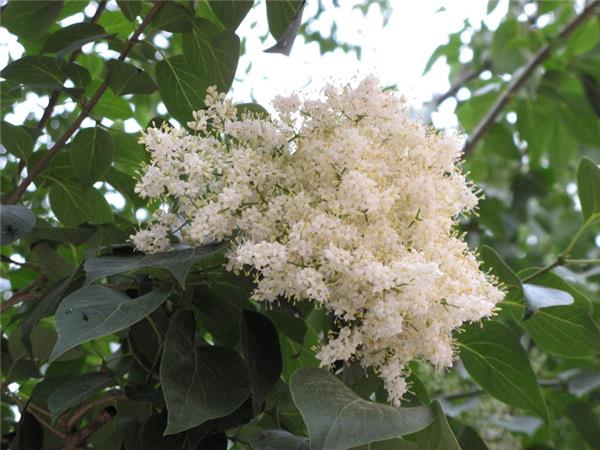
How to grow Serissa japonica
Cutting method:
Cuttings from dormant branches are taken from February to March, and cuttings from semi-mature branches are taken from June to July. Generally, hardwood is used in early spring, but in the plum rain season either hardwood or old branches can be used, and in all cases a shade frame must be set up. After inserting, pay attention to watering and keep the seedbed moist; rooting is extremely easy.
Broadcast cutting method:
Use vacant greening land, loosen the soil, break up the clods, and level it. Evenly scatter the one-to-two-node (about 3 cm) branches cut off onto the previously leveled ground, press the surface soil firmly with feet or with an object, and water thoroughly. After that, spray water once every other day, and after ten days rooting begins and branch buds sprout.
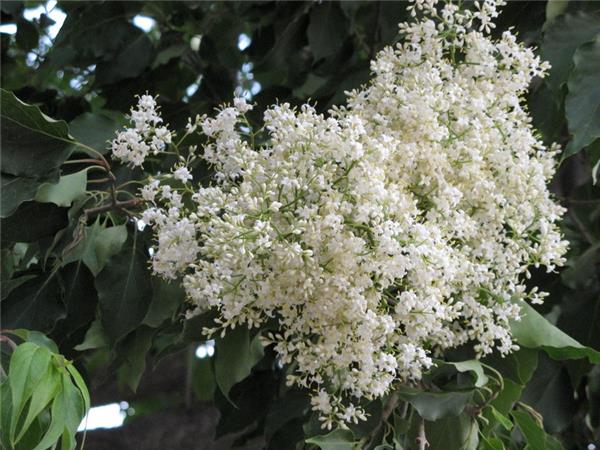
Notes on growing Serissa japonica
1. Temperature and light
The cultivation and care of Serissa japonica is relatively simple. Because it avoids scorching sun exposure, during the growing period it should be placed in semi-shade under tree shade or a shaded shed. How to grow Serissa japonica: it should not survive in places with too strong light, otherwise the growth of branches and leaves will be affected.
2. Watering
Do not water too frequently or too much. Keep the potting soil moist and water again only when it is dry. In the rainy season, do not let water accumulate in the pot, so as to avoid root rot. How to grow Serissa japonica? When the weather is hot and dry in summer, spray water on the leaf surface in the morning and evening to lower the temperature and increase air humidity, so as to favor its growth.
Before winter, move it indoors in time to keep it warm, and keep the room temperature above 5°C. How to grow Serissa japonica: at the same time reduce watering and keep the potting soil half-dry, which can achieve the effect of a lush, green and smooth plant.
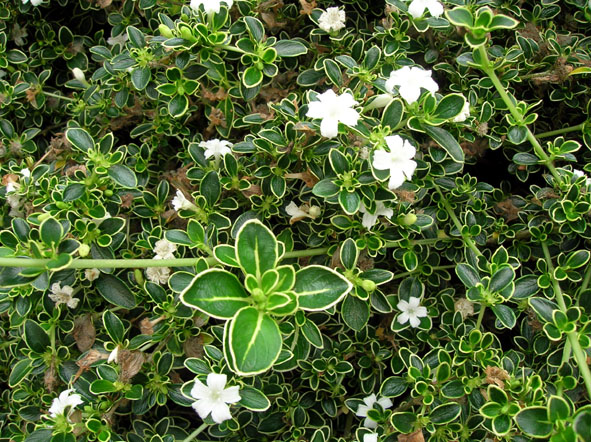
3. Fertilizing
Serissa japonica relatively likes fertilizer, but if too much fertilizer is applied it will cause excessive growth of branches and leaves, affecting the beauty of the tree shape. It is enough to apply 1 time of decomposed cake fertilizer water each before the onset of winter and after flowering.
Serissa japonica bonsai
For cultivating Serissa japonica bonsai, soft mountain soil must be used, and it should be placed in a sunny spot and not kept indoors for a long time. During the growing period, fertilizer needs to be applied 1~2 times. The potting soil should preferably be on the dry side; too much or too concentrated fertilizer water will cause excessive growth of branches and leaves. In addition, to ensure that the Serissa japonica bonsai has a well-proportioned and full plant shape, pruning and shaping for artistic processing are also needed.
The production of Serissa japonica bonsai roughly needs to go through the following stages: source of stump material, processing and styling, transplanting into a pot, water and fertilizer management, light and temperature requirements, repotting and pruning, and pest and disease control.
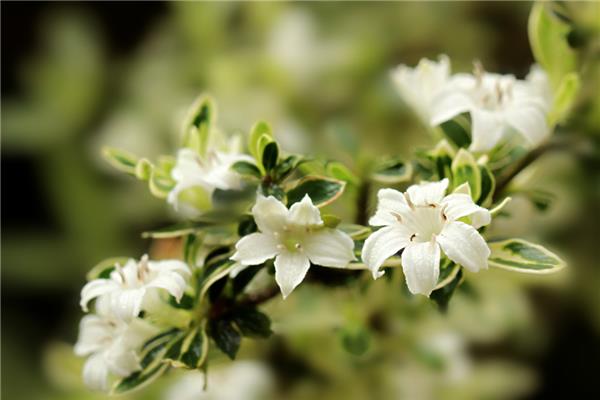
I believe that after reading the above article, everyone has gained some understanding of the related content on how to grow Serissa japonica. I hope the above content can help everyone. For more wonderful content, please continue to follow our website~