Jabuticaba grows on the tree trunk, with purple fruit resembling grapes
Jabuticaba is a fruit that looks somewhat similar to grapes. It is rich in nutrients and has high edible value, but only by growing a healthy jabuticaba tree can its quality be guaranteed from being compromised.
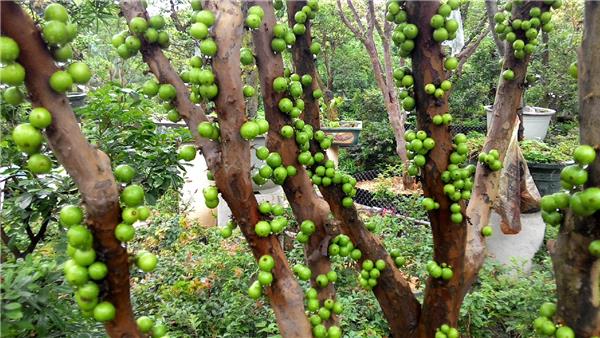
How many years does jabuticaba take to bear fruit
Because it looks like grapes, jabuticaba is also called tree grape. Jabuticaba is suited to growing in tropical regions and needs moist soil so that it can grow better.
As a shrub unique to the Taiwan region of China, jabuticaba belongs to the Myrtaceae family and is also called tree grape. It grows slowly and can bear fruit twice a year, in spring and autumn. If it is a newly planted sapling, you have to wait until five years later before it can produce fruit, but the first fruits are limited in number; sometimes it bears many, but perhaps only one or two. Only after ten years can the amount of fruit produced by the jabuticaba tree reach a certain standard, and the quantity can basically stabilize. Therefore, it is rarely seen being sold by vendors on the market, and it is recommended to buy a 4-year-old tree directly.
The flesh of jabuticaba is transparent, aromatic, soft and juicy, and contains a large amount of nutrients. Regular consumption is greatly beneficial to the body. For women, eating it helps improve skin tone and makes the skin more radiant.
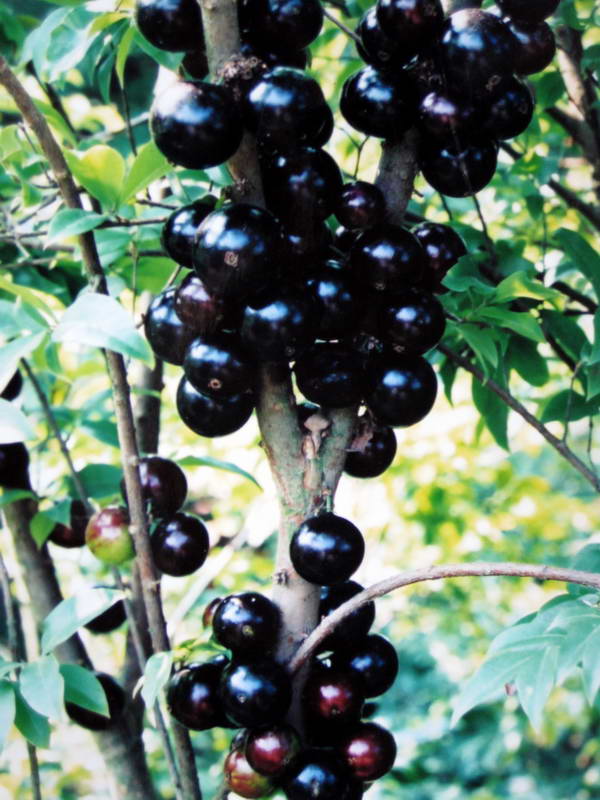
The effects and benefits of jabuticaba
1. The flesh of jabuticaba is juicy and semi-transparent; when fully ripe it is incomparably sweet, with a special taste, soft and juicy, and a fragrant aroma. Its sweetness can reach an average of 13 to 18 degrees, and it is sweet and delicious. Besides being eaten raw, jabuticaba can also be made into jelly, candied fruit, jam, and an excellent-flavored jabuticaba wine. Regular consumption can boost resistance and is beneficial for skin care.
2. Because jabuticaba is rich in various nutrients, its flesh is rich in more than 15 highly nutritious components, including water, vitamin C, high calcium, phosphorus, iron, fiber, carbohydrates, vitamin B1, acids, calories, riboflavin, tryptophan, ash, fat, and protein. In addition, jabuticaba is a shallow-rooted, bushy fruit tree. This tree species has strong resistance to pests and diseases, suffers few pests and diseases, and rarely requires pesticides in management, making it an extremely easy tree species to plant and care for. Therefore, compared with other foods, jabuticaba is more green and healthy, making it a nutritious, healthy, and tasty food.
3. Jabuticaba is especially suitable for patients suffering from nephritis, impotence and premature ejaculation, infertility, urinary tract infections, high blood pressure, coronary heart disease, rheumatism, and rheumatoid diseases. Jabuticaba can also prevent cardiovascular diseases and boost resistance, and it has a particularly notable promoting effect on women's vitality and youthfulness and radiant skin.
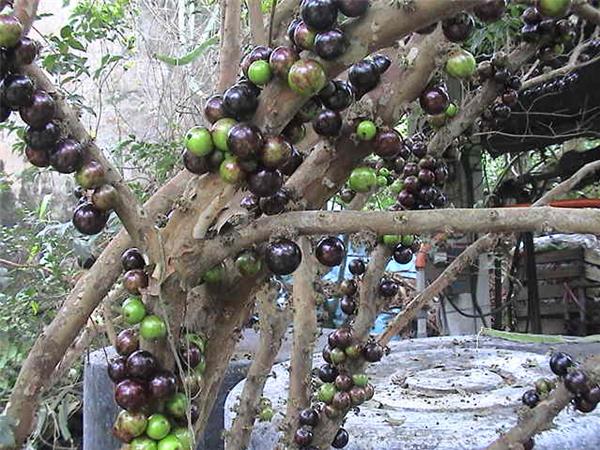
Jabuticaba cultivation techniques
Site selection: According to the requirements for the environmental conditions of tropical fruit production areas, the site must have deep soil layers, good drainage, convenient irrigation, and a pH value of 5.5-6.5. When planting, first cover with black plastic film to reduce soil nutrient leaching and prevent soil compaction.
Intertillage and weeding: Combined with fertilization, carry out intertillage 2-3 times a year, and combine the application of organic fertilizer with hole expansion and soil improvement. Weeds between rows are controlled by manual, mechanical, or approved herbicide methods.
Water management: Promote the use of water-saving irrigation facilities. In case of drought, irrigation must be carried out promptly to keep the soil moist.
Fertilization management: Attach importance to the application of organic fertilizer, use organic fertilizer and microbial fertilizer together with chemical fertilizer, and promote plant nutrition diagnosis and formula fertilization. Farmyard manure mixed with straw must undergo high-temperature fermentation for more than 60 days and be fully decomposed before it can be applied. Do not use fertilizers (including foliar fertilizers) that have not been approved and registered by the relevant national authorities. The last soil fertilization and foliar fertilization should be more than 30 days before fruit harvest.
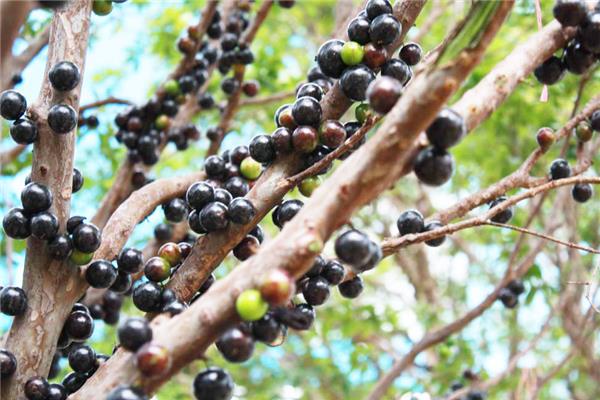
In addition, if jabuticaba is improperly cultivated and cared for, some pests and diseases may occur. For this, we should focus on prevention, adopt integrated control, and reasonably use high-efficiency, low-toxicity, low-residue pesticides, so as to ensure an appropriate amount of fruit.