What are the methods and precautions for sowing a lawn with grass seed
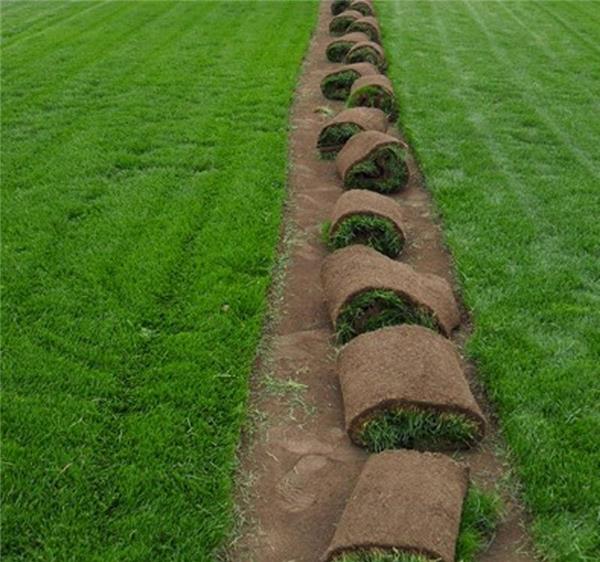
Sowing a lawn with grass seed is a method many people choose, because buying turf to lay a lawn is a hugely expensive project; by comparison, sowing with grass seed is much cheaper and simpler. Let's take a detailed look below.
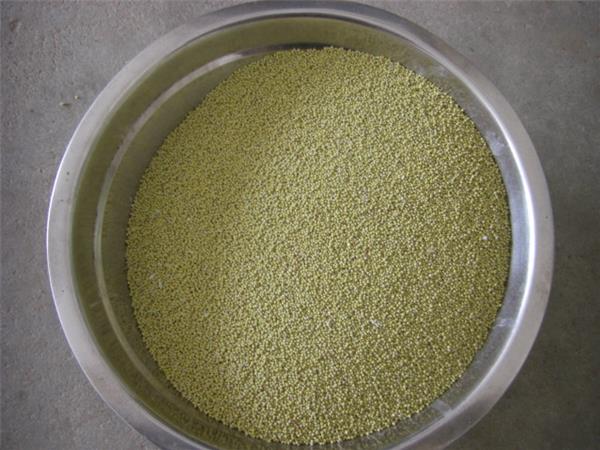
Sowing and care methods for a grass-seed lawn
1. Choose superior seed that contains no impurities; before sowing, carry out a germination test and pre-sprouting treatment, and determine a reasonable sowing rate.
2. Before sowing, water the ground to soak it and keep the soil moist; once it has dried slightly, rake the surface soil fine and level, broadcast the seed, cover evenly with 0.30-0.50cm of soil, press lightly, then spray with water.
3. After sowing, spray water promptly; the water droplets should be fine, dense and even, soaking through 8-10cm of soil. Except on rainy days, the spraying must not be interrupted. Straw mats may also be used to cover the area and maintain humidity, then removed once germination begins.
3. When ploughing and turning the soil, remove weeds by hand and by chemical methods before sowing. Commonly used herbicides include glyphosate and sodium pentachlorophenate, which are systemic and contact types respectively, and can kill perennial and annual weeds, at 250 milliliters per mu.
4. Since after the lawn is established it is no longer possible to apply large amounts of fertilizer in the root zone of the soil, and the texture and fertility of the soil directly affect the root growth and development of the turfgrass - and thus also affect the quality and lifespan of the finished lawn - sufficient organic fertilizer should be applied before establishing the lawn to ensure normal growth and long-lasting performance. The organic fertilizer must be thoroughly composted manure to prevent weed seeds and sources of disease and pests from being brought into the soil; the amount of organic fertilizer is 10kg per sq m, and the fertilizer must be thoroughly mixed with the soil.
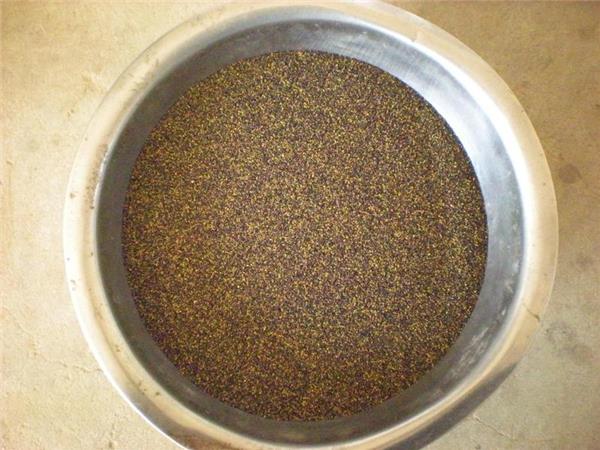
Precautions for sowing a lawn with grass seed
1. Control the density of the seed - not too sparse, and not sown so densely that seed is wasted. If you have a fine-mesh bamboo sieve or a rice-washing basket at home, anything that lets the seed fall through will do. Put the seed in, and sieve it while walking along; this way the density can be controlled nicely.
2. The fertilizer must be buried within the soil layer; do not let the seed come into direct contact with it. Bean cake, plant ash, or compound granular fertilizer bought from a flower shop will all do. Apply the fertilizer first, mix it evenly with the soil, then cover with a thin layer of soil, and the seed can be kept from touching it.
3. Before sowing, combine fertilizing with mixing the soil and fertilizer evenly; break up large clods of soil with a flower trowel; once the soil is loose and turned into even particles about the size of a broad bean, it is ready. After the seed is sown, cover it with a very thin layer of fine soil.
4. Be sure to water with a sprinkler nozzle, and never irrigate directly with a hose, or water directly with a basin, bucket, ladle, etc., as that will wash the seed out of the soil surface and seriously affect the germination rate. Only wait until the seed has germinated, the grass blades have grown out, and the roots have firmly taken hold in the soil layer before watering with a larger flow of water.
5. The soil must always be kept moist; do not let it dry out and lose water, otherwise the germinated seed can easily be scorched to death or dried to death.
6. Once a rainstorm is coming, and the seed has not yet germinated, or has only just germinated, then measures must be taken to shield it from the rain. Otherwise, under the washing of heavy rain, the losses will be severe.
Appendix: Some commonly used industry terms for turfgrass seed
Registration and certification systems: certification schemes proposed by different countries internationally shortly after the Second World War in order to promote multilateral trade in seed and raise agricultural yields. Different countries have different certification systems.
OECD system: the seed registration and certification system of the Organisation for Economic Co-operation and Development. Currently 7 are in implementation, and forage grass and legume seeds are one of them; turfgrass seed is handled according to this scheme. European countries only allow the sale of seed with certification under this system. Australia and New Zealand also adopt this system.
ISTA certificate: a certificate issued according to the requirements of the International Seed Trade Federation, in three types: orange, green and blue. The green certificate is the one for samples tested by another country.
Nuclear seed: the most original seed bred by the breeder, also called pre-basic seed or breeder's seed. Generally it takes 1-2 years to breed a variety.
Pre-basic seed: seed grown by the variety holder from nuclear seed.
Basic seed: its production is the responsibility of the variety holder. After consultation with the competent authorities, the number of generations the variety holder grows the parental material before basic seed must be strictly limited.
Certified seed: seed produced by an organisation within or outside the country where the variety is registered.
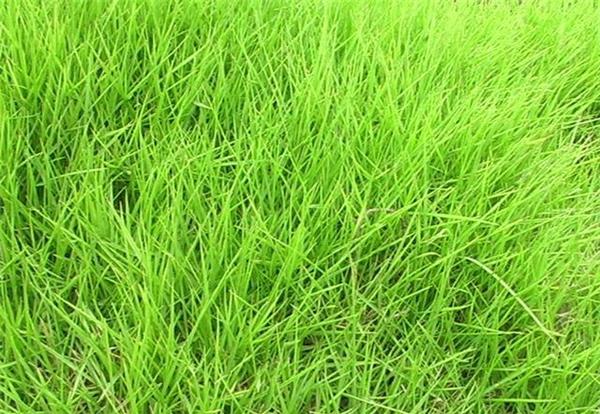
Sowing a lawn with grass seed is a relatively low-cost method of laying a lawn, and most grass species have strong growth capacity and the ability to spread rapidly; however, only by choosing seed of high quality can you lay a high-quality lawn.
Sowing a lawn with grass seed is a relatively low-cost method of laying a lawn, and most grass species have strong growth capacity and the ability to spread rapidly; however, only by choosing seed of high quality can you lay a high-quality lawn.