What plant is Aspidistra? A comprehensive introduction to Aspidistra
Aspidistra is a perennial herbaceous plant. Because it stays evergreen all year round and has beautiful, unique flowers, it has high ornamental value and is a relatively popular potted ornamental plant.
Morphological characteristics of Aspidistra
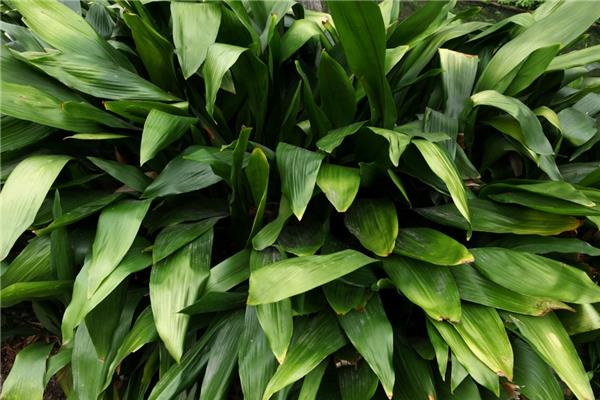
Perennial evergreen herb. Rhizome nearly cylindrical, 5-10 mm in diameter, with nodes and scales.
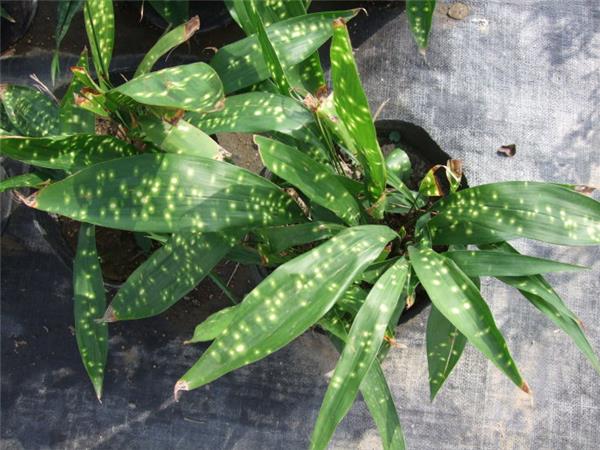
Leaves solitary, spaced 1-3 cm apart from each other, oblong-lanceolate, lanceolate to nearly elliptic, 22-46 cm long, 8-11 cm wide, apex acuminate, base cuneate, margin more or less wrinkled and wavy, green on both sides, sometimes slightly marked with yellowish-white spots or stripes; petiole distinct, stout, 5-35 cm long.
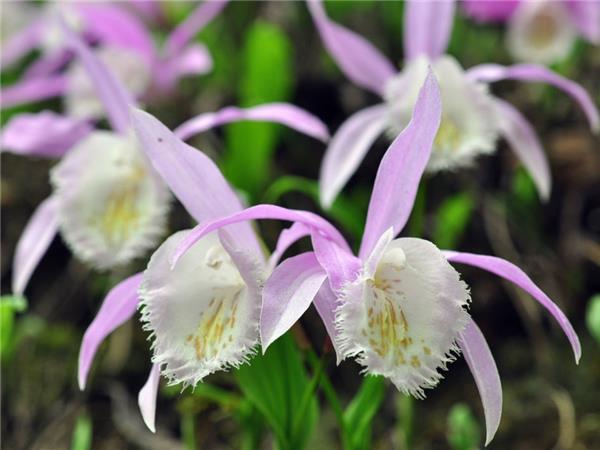
Peduncle 0.5-2 cm long; bracts 3-4, of which 2 are located at the base of the flower, broadly ovate, 7-10 mm long, about 9 mm wide, pale green, sometimes with fine purple dots; perianth campanulate, 12-18 mm long, 10-15 mm in diameter, purple or dark purple on the outside, pale purple or deep purple on the lower part inside, upper part 6-8-lobed; perianth tube 10-12 mm long. Lobes nearly triangular, spreading outward or recurved, 6-8 mm long, 3.5-4 mm wide, apex obtuse, margin and inner upper part pale green, inner surface with particularly thick fleshy ridge-like protrusions, the middle 2 thin and long, the lateral 2 thick and short, up to 1.5 mm high at the middle, purplish-red; stamens 6-8, inserted near the base of the perianth tube, lower than the stigma; filaments short, anthers elliptic, about 2 mm long; pistil about 8 mm high, ovary hardly swollen; style without articulation; stigma peltate-swollen, circular, 10-13 mm in diameter, purplish-red, upper surface with 3-4 deep clefts, the two sides of the clefts more or less protruding upward, the central part slightly convex, lobe apices slightly concave, margin often recurved upward.
Household uses of Aspidistra
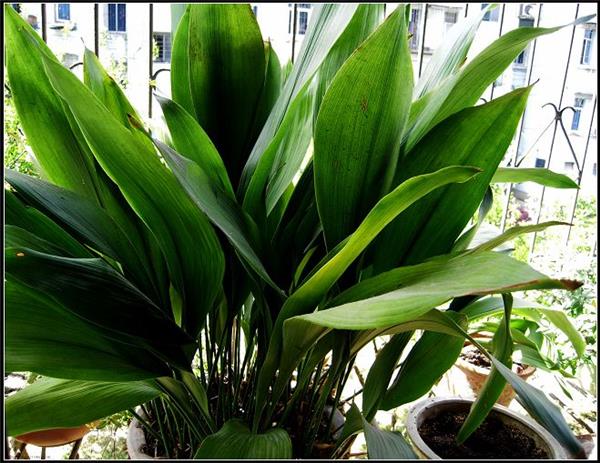
1. Ornamental: Aspidistra has upright, neat leaves, deep green and glossy leaf color, and an elegant, refined and graceful posture. At the same time, it grows vigorously, has strong adaptability, and is extremely shade-tolerant. It is an excellent shade-loving foliage plant for indoor greenery decoration and is suitable for placement in homes and offices. It can be displayed on its own or arranged together with other flowering plants to set off the brightness and beauty of other flowers. In addition, it is also an excellent foliage material for modern flower arranging.
2. Freshening the air: All plants have a certain air-freshening effect. Aspidistra can absorb formaldehyde, and it also has a certain absorption effect on carbon dioxide and hydrogen fluoride. It can also adsorb a certain amount of dust. Moreover, Aspidistra is shade-tolerant, highly adaptable, and not prone to pests and diseases, making it a very good plant for home greenery and air purification.
3. Value in traditional Chinese medicine: In traditional Chinese medicine, the rhizome of Aspidistra is generally used as medicine. It can be collected in all four seasons and used either dried or fresh. It has the effects of promoting blood circulation and dispersing blood stasis, tonifying deficiency and relieving cough. It is generally used for traumatic injuries, rheumatic muscle and bone pain, low back pain, cough due to lung deficiency, hemoptysis, and so on.
How to grow Aspidistra
Water and fertilizer: It likes a humid environment. During the growing period, water should be sprayed frequently on the plant and around it, which can increase the relative air humidity and help new buds sprout and new leaves emerge. When the air is too dry, the leaves will lose their luster and become dry and withered. During the growing season, apply a nitrogen-based fertilizer once every half month, which can make the leaf color even more emerald and lovely and promote the sprouting of new buds from the rhizome.
Temperature: It likes warmth, and the most suitable temperature for growth is 20-25. Growth stops below 10°C. It is relatively cold-tolerant and is the most cold-tolerant among evergreen foliage plants. In winter it can endure a short period of absolute low temperature of -9°C, and at around 0°C the leaves can remain emerald green. As long as it is moved indoors, the plant can overwinter safely and maintain good ornamental quality. However, types with markings on the leaves are slightly less cold-resistant, and the ambient temperature during overwintering is best kept above 10°C. It is not very tolerant of high temperatures. When the temperature is above 35°C, leaf tips are prone to withering, so measures such as shading, spraying water in the environment and strengthening ventilation should be taken to lower the temperature.
Repotting: Repot once every 3-4 years. It grows vigorously and is not demanding about soil, but it likes loose, fertile, well-drained soil and dislikes clayey soil. When the potting soil is too clayey, it is prone to becoming too wet and waterlogged, causing poor plant growth and even root rot and death. The substrate can be prepared from materials such as leaf mold, peat soil, garden soil, coarse sand or rice husk ash.
Pest and disease control: It is harmed by diseases and pests such as leaf blight, root rot and scale insects. Among them, the harm of scale insects is especially serious. When ventilation is poor, they cover the petioles and the backs of leaves and produce small yellow spots on the leaf surface, which not only affects plant growth but also worsens its ornamental quality, so attention should be paid to prevention and control.
The flower shape of Aspidistra is very unique and has a distinctive ornamental effect. However, if it is not grown properly, it may fail to bloom, and then it cannot serve the purpose of flower viewing. Therefore, in the process of growing it, we still need to pay attention to some necessary care measures.
The flower shape of Aspidistra is very unique and has a distinctive ornamental effect. However, if it is not grown properly, it may fail to bloom, and then it cannot serve the purpose of flower viewing. Therefore, in the process of growing it, we still need to pay attention to some necessary care measures.