Management and care methods for nursery stock and flowers at different times and occasions
Whether nursery stock and flowers are grown as potted plants indoors or planted in the open ground, how to get through the hot summer is a huge test for them, especially in water and fertilizer management, where they must be treated differently.
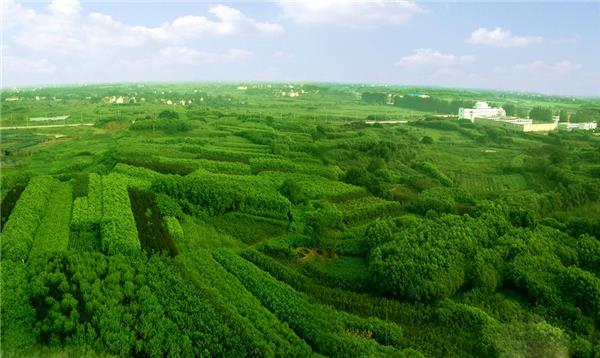
Water and fertilizer management for nursery stock and flowers in summer
Watering: For flowers that enter a semi-dormant state in summer (red wood sorrel, geranium, fuchsia, clivia, calla lily, begonia types, etc.), when the temperature reaches above 30°C, because their growth activity is weak and their metabolic level is low, watering should be reduced, and keeping the potting soil moist is enough; for deeply dormant types (cyclamen, lycoris types, ranunculus, Dutch peony, etc.), under high temperatures they show withered aboveground stems and leaves and dead underground nutrient fibrous roots, and they spend the summer dormant in the soil as underground stems or tuberous roots, so watering must be stopped for them, they should be moved to a cool place, and keeping the potting soil from becoming excessively dry is enough.
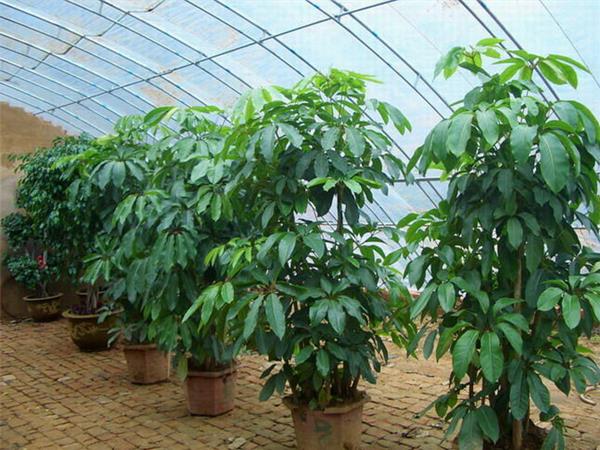
Fertilizing: For those flower types in a dormant or semi-dormant state, fertilizing must be stopped; especially for those succulent flower types, such as jade plant, Christmas cactus, Haworthia cooperi, Kleinia, squirrel tail, Lampranthus, Stapelia, sedum types, etc., when the temperature reaches above 35°C, fertilizing should be stopped to avoid rot. For vigorously growing types, such as Monstera deliciosa, spider plant, bamboo orchid types, sword fern, sago palm, Aspidistra, Philodendron 'Imperial Green', rubber tree, anthurium, Excoecaria cochinchinensis, palm grass, Norfolk Island pine, Dracaena fragrans, lemon, kumquat, pomegranate, crape myrtle, firethorn, etc., a thin, fully fermented cake fertilizer water can be applied every half month; for types currently in bloom, an appropriate amount of phosphorus and potassium fertilizer should also be applied to meet their needs for growth, flowering, and fruiting.
Common garden nursery stock and flowers
Flowering dogwood: Flowering dogwood is a popular ornamental tree for beautification. Its spring flowers are highly praised for complementing wild woodlands and architectural settings. An interesting feature of the dogwood flower is that the gorgeous part is not the petals, but the so-called bracts. Bracts are like the flowers of many plants, usually inconspicuous ordinary parts. During the growing season, the flowers mature into clusters of red fruit that are both beautiful and can provide food for birds.
Japanese maple: Japanese maple is a small deciduous tree. But unlike flowering dogwood, Japanese maple is an example of a tree chosen for its leaves and form rather than its flowers. Its irregular branching pattern, leaf shape, and color make Japanese maple an ideal landscape tree. Overall, its qualities and characteristics summarize the look and feel of the Japanese garden as much as or more than any other tree species.
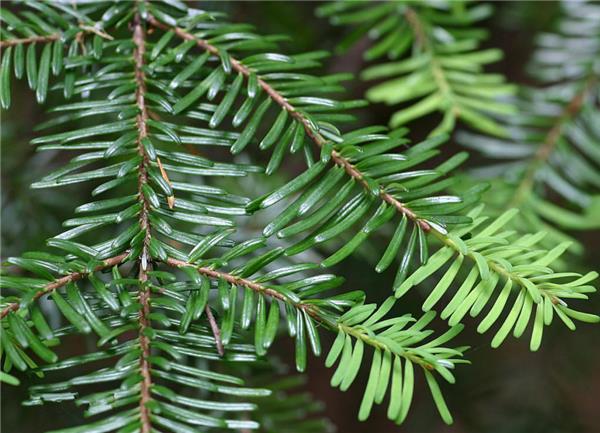
Eastern hemlock: Eastern hemlock is an evergreen conifer that gardeners have already used widely. Because it usually has dense branches and foliage, eastern hemlock makes it possible to serve as a very effective visual and auditory border with an ecological feel. Unlike flowering dogwood and Japanese maple, eastern hemlock will, in its ordinary form, grow into a large tree.
Basic requirements for nursery stock and flower landscaping management in residential areas
1. Ensure normal plant growth. Management of plant pests and diseases, water, and fertilizer should be strengthened to ensure that pests and diseases do not run rampant, ensure normal plant growth, and ensure there are no obvious signs of poor growth.
2. Strengthen the clearing of dead branches and yellow leaves and landscaping cleaning work. In order to ensure community environmental improvement and safety, dead branches and yellow leaves of garden plants should be removed in a timely manner, and the garden green space should be swept and kept clean. Large trees should be cleaned and pruned every year, and dead branches should be removed. Before disastrous weather arrives, the garden trees under the property's jurisdiction should also be patrolled to prevent potential harm to owners and property users.
3. Timely renovate green plants that hinder the activities of owners and property users, and reduce the harm caused to landscaping by human trampling. For example, street trees along traffic roads should be properly pruned, and the distribution of garden paths that has an obvious impact on residents' normal lives due to unreasonable design should be rationally renovated. This not only facilitates owners and property users, but also reduces the pressure on the property company for landscaping replanting.
4. Create a community environmental culture and strengthen publicity for landscaping protection. Signage should be put up for the main flowers and trees to guide owners to actively participate in landscaping management, so that landscaping management achieves twice the result with half the effort.
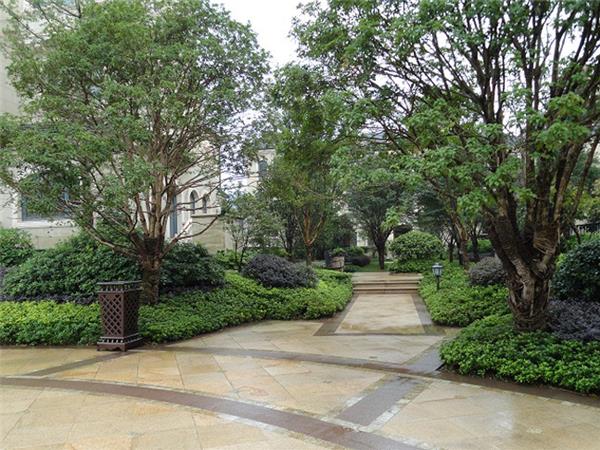
In addition to the flowering dogwood, Japanese maple, eastern hemlock, and so on listed above, there are also some such as Chinese pagoda tree, sand cypress, and some common vine and herbaceous plants, all of which can be relatively widely used in garden landscaping and residential area greening. Of course, they can also be planted in courtyards. Everyone can choose the ones they like for planting.
There are also some such as Chinese pagoda tree, sand cypress, and some common vine and herbaceous plants, all of which can be relatively widely used in garden landscaping and residential area greening. Of course, they can also be planted in courtyards. Everyone can choose the ones they like for planting.