What are the effects and functions of aloe? Read this to understand
As for what the effects and functions of aloe are, people know a thing or two about this, so when digging deeper into the effects and functions of aloe, they are still startled, simply because aloe has too many effects and functions.
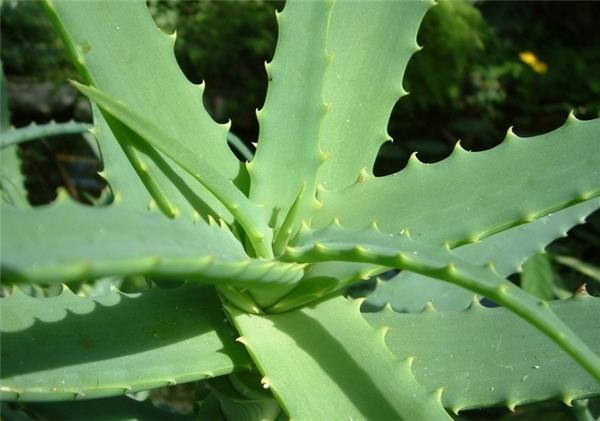
I. The effects and functions of aloe
1. Aloe's stomach-strengthening and purgative effect: among all rhubarb glycoside laxatives, aloe is the most irritating, and while it purges, it is accompanied by significant abdominal pain and pelvic congestion, and in severe cases can cause nephritis. Aloe's main site of action is the large intestine, and it has no effect on promoting peristalsis of the small intestine.
2. Aloe's bactericidal effect: aloe contains a substance called aloe tincture, which is a highly antibacterial substance. It can kill ordinary bacteria and fungi, and can inhibit the reproduction of pathogens.
3. Aloe's anti-inflammatory effect: aloe's bradykininase can resist inflammation, and has a very good therapeutic effect on chronic diseases such as dermatitis and bronchitis.
4. Aloe's detoxifying effect: the components of aloe can promote the liver's breakdown of toxins in the body, can inhibit excessive immune reactions, and can clear metabolic waste from the body. Moreover, aloe can treat and also has the effect of regenerating new cells.
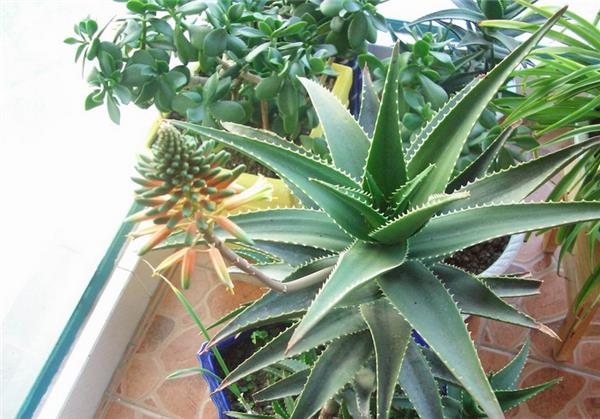
5. Aloe's healing-promoting effect: aloe has a healing-promoting effect on artificially wounded mouse backs, and on rabbits with artificially induced conjunctival edema, aloe can shorten the number of days to recovery. Aloe juice preparations have a protective effect on skin wounds, burns, and local x-ray irradiation.
6. Aloe's analgesic and sedative effects: aloe has analgesic and sedative effects. In cases of toothache or swollen and painful fingers, applying an aloe leaf to the affected area can eliminate the swelling and pain, and it is effective for neuralgia, gout, and muscle pain. In addition, taking aloe internally can also treat hangovers and motion sickness.
II. How to grow aloe
Watering: the potting soil for aloe should be kept moist. Too much water is unfavorable to aloe's root system, because aloe is drought-tolerant and afraid of waterlogging. When watering is needed, water gently along the edge of the pot but do not flush forcefully, so that the potting soil does not easily become compacted and affect the soil's air permeability. When the potting soil becomes compacted, loosen the soil in good time, to a depth of about 1.5 cm.
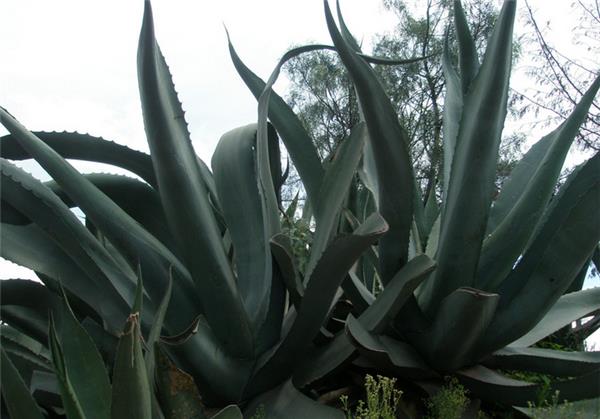
Fertilizing: during aloe's growth process, the nutrients in the potting soil alone are not enough, and proper fertilization is needed to meet its growth needs. Organic fertilizer is better (such as peanut bran cake), as it has good fertilizer efficiency and is also clean
and hygienic. Before application, soak it fully in water to ferment, then dilute it with water and water it on. If chemical fertilizer is applied, water it on at a concentration of 0.1%. The number of fertilizer applications should depend on aloe's growth conditions. If the leaves are often needed for use, the number of applications should be greater, about once a month.
III. Can aloe remove scars?
Aloe is a very good beauty product. Ordinarily, we only need to pick the aloe leaves and cut them open to get a very good whitening effect. Besides whitening, the aloe gel extracted from aloe is also an excellent scar-removing treasure.
Besides removing scars, aloe gel also has many effects such as whitening, spot removal, anti-inflammation, and so on. Aloe gel really does have many uses. If any friends need to know more, you might as well learn more about the effects of aloe gel!
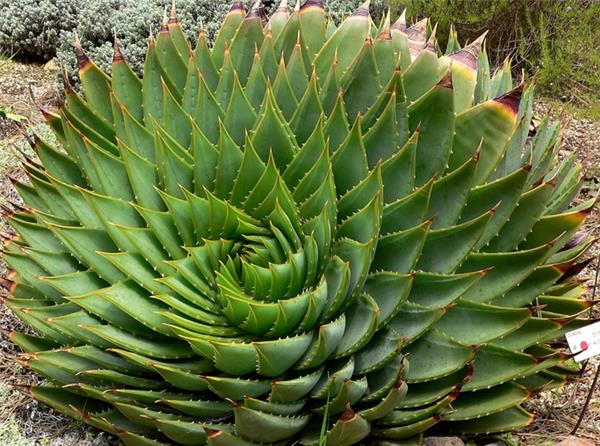
The above understanding of the effects and functions of aloe makes our determination to grow aloe even firmer. Who does not know that placing aloe indoors brings us many benefits.