How to Grow Aloe Vera? A Complete Guide to Aloe Vera Cultivation Methods
What are the cultivation methods for aloe vera? This is an affirmation of aloe vera's benefits, and something friends who want to grow aloe vera want to know. So, how exactly should aloe vera be grown?
I. Aloe Vera Cultivation Methods
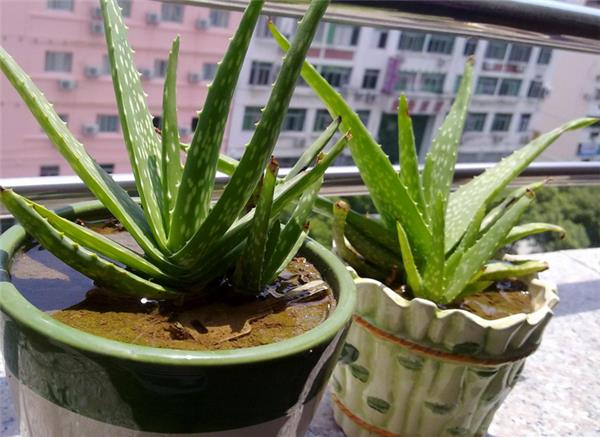
The potting soil for aloe vera should be kept moist. Too much water is harmful to the root system of aloe vera, because aloe vera is drought-tolerant and afraid of waterlogging. When watering is needed, pour gently along the edge of the pot, but do not flush with force, so as to avoid the potting soil becoming compacted easily, which would affect the air permeability of the potting soil. When the potting soil becomes compacted, loosen the soil in a timely manner to a depth of about 1.5 cm. Apart from summer, when sufficient watering is needed along with frequent misting of the leaf surfaces, watering should be controlled in all other seasons; otherwise, water accumulating in the pot can easily cause the stems and leaves to rot. Because its fleshy leaves can store a large amount of water, aloe vera is very drought-tolerant. Simply water again when you see the surface of the soil in the pot has dried out. Overwatering or water accumulating in the pot will cause root rot.
Aloe vera has different water requirements at different stages of development. At the seedling stage, the transpiring leaf area is small, so the demand for water is also low, but its root system is weak and distributed rather shallowly in the soil, making it very sensitive to changes in moisture. Therefore, keeping the soil moist is very beneficial to the growth of seedlings. At the mature plant stage, aloe vera's water requirement increases relatively, and at the same time its drought tolerance also increases markedly.
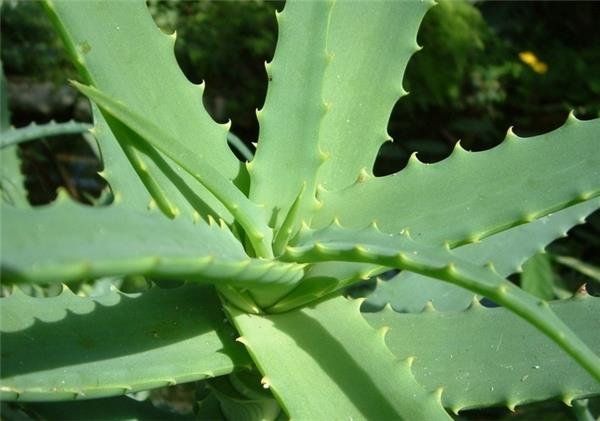
Aloe vera dislikes water accumulating in the soil. If water accumulates for more than 10 hours, it will cause root rot and leaf rot in mild cases, or the death of the entire aloe vera plant in severe cases. The soil water-holding capacity should be 50%-60%.
II. Precautions for Growing Aloe Vera
1. Watering in summer requires attention. Aloe vera likes light and tolerates heat, but in summer, when temperatures are high and rainfall is low, drought should also be prevented. Appropriate watering can help aloe vera grow quickly. Watering must not be excessive; generally, watering once every 5-10 days is sufficient.
2. Fertilizing aloe vera. Fertilizer is indispensable for any plant. Aloe vera needs not only nitrogen, phosphorus and potassium, but also some trace elements. To ensure that aloe vera remains a green, natural plant, use fermented organic fertilizer as much as possible. Cake fertilizer, chicken manure and compost are all fine, and vermicompost is even more suitable for growing aloe vera.
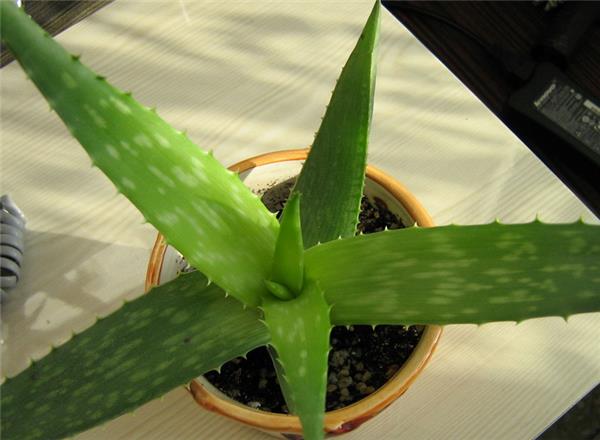
3. Seedling propagation. The propagation of aloe vera seedlings is mainly asexual, with the methods of division propagation and cutting propagation, and the propagation season is best in spring and autumn. Division propagation means that when the aloe vera's tiller shoots have more than 5 leaves, the young seedlings are carefully pulled up, taking care not to damage the root system as much as possible, and transplanted elsewhere or into flower pots. Cutting propagation means cutting a side branch of aloe vera about 15 cm long, placing it in a ventilated, shaded place for two or three days, and after the cut has shrunk and dried, planting it elsewhere or in a flower pot, then shading it for one month. During this period, try not to water; when the cutting begins to grow, move it to its intended location and begin watering at that point. Old aloe vera plants that have grown for many years tend to lodging after reaching a certain height, which affects their ornamental value. Therefore, cutting them off 7 cm from the leaf base and using the cutting method can give the old aloe vera plant a new lease of life.
III. The Benefits of Aloe Vera
Aloe vera has the effect of purifying indoor air. Aloe vera not only performs photosynthesis during the day and releases oxygen, but at night it can also absorb carbon dioxide indoors, thereby purifying indoor air. In addition, aloe vera can purify 90% of the formaldehyde in one cubic meter of air, and it can also absorb other harmful gases, such as carbon monoxide, sulfur dioxide and carbon dioxide. So planting a few aloe vera plants at home is like installing a "biological air freshener" at home.
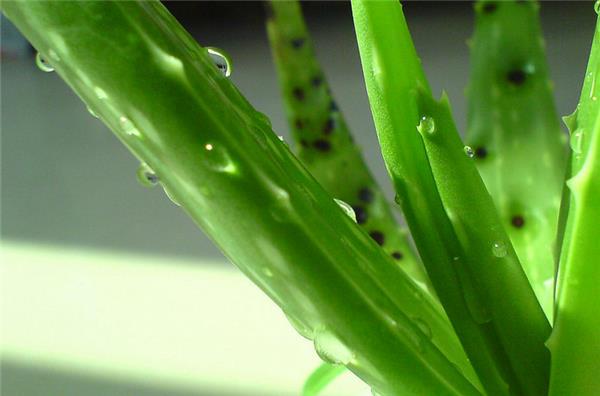
The above has given a detailed explanation of how to grow aloe vera. It can be said that the role of aloe vera indoors is equivalent to that of an air freshener, and it is more environmentally friendly and healthy than one.