How to Grow Aloe Vera Well: Practical Care Tips to Share
How to grow aloe vera well is what friends who fully understand the benefits of aloe vera are eager to know. So let us explore the secrets of aloe vera growth together.
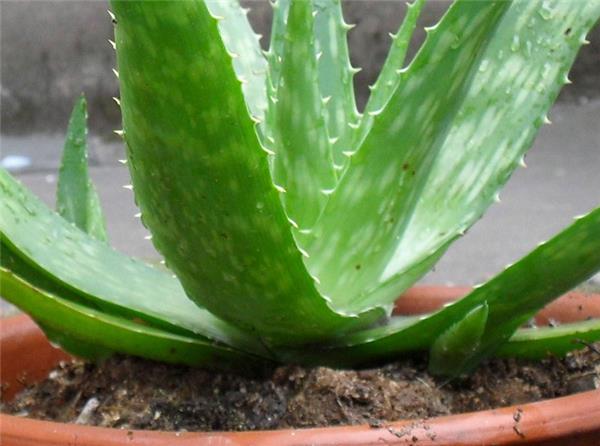
I. How to Grow Aloe Vera
1. Preparing the Potting Soil
The potting soil should have good drainage, water retention, aeration and fertilizer-holding capacity. A commonly used potting soil formula is: humus, garden loam and river sand in a ratio of 2:2:1. If sawdust or seasoned coal ash is used instead of river sand, the ratio stays the same. Aloe vera likes to grow in a neutral environment; the most suitable pH of the potting medium for aloe vera growth is generally pH 6.8-7.0. In addition, the potting soil should be relatively clean and hygienic, and soil disinfection and sterilization can be done with products such as Bimiesu.
2. Choosing a Pot
By the material of the flower pot, there are clay pots, purple clay pots, porcelain pots, plastic pots, etc. Choose a suitable pot for planting according to personal preference and aesthetic taste. Clay pots with good breathability are most suitable for growing aloe vera. If a new pot is used, it should be soaked thoroughly with water; otherwise, after potting, watering will not easily penetrate the pot, and the half-dry, half-moist pot wall will damage new roots. If an old flower pot is used, the residual soil and moss should be scrubbed clean, then dried in the sun before use, which can both increase the breathability of the pot body and prevent pests and diseases.
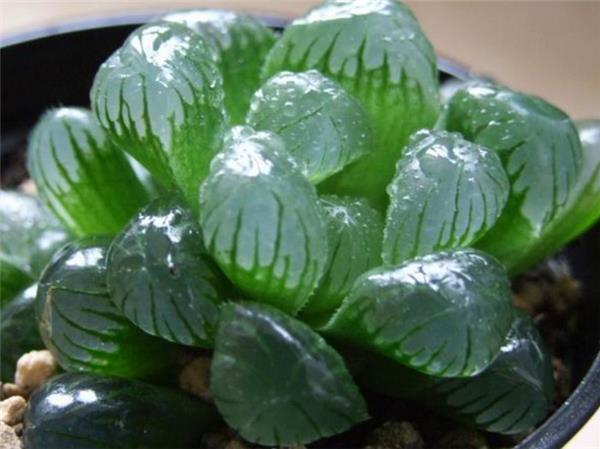
II. How to Grow Potted Aloe Vera
Soil: Aloe vera likes to grow in loose soil with good drainage that does not easily compact. Ordinary soil can be mixed with some gravel and ash residue, and it is even better if leaf mold and grass ash can be added. Soil with poor drainage and aeration will obstruct root respiration, causing root rot and necrosis, but overly sandy soil often leads to the loss of water and nutrients, making aloe vera grow poorly.
Temperature: Aloe vera fears the cold; it has long grown in environments without frost all year round. It stops growing at around 5°C, and at 0°C its life processes are impaired; if the temperature is below 0°C, it will suffer frost damage. The most suitable temperature for growth is 15-5°C, and the humidity is 45-50%.
Water: Like all plants, aloe vera needs water, but it fears waterlogging most. In rainy and humid seasons or when drainage is poor, its leaves easily shrivel, and its stems and roots rot, leading even to death.
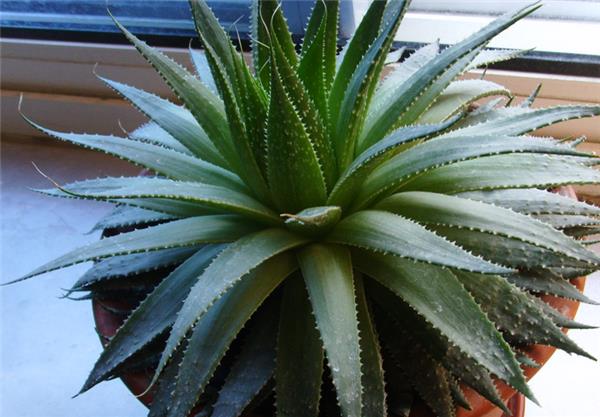
III. Precautions for Aloe Vera Appearance
1. Pay attention to temperature. Aloe vera is afraid of cold; it stops growing at around 5°C and suffers frost damage at 0°C. Therefore, aloe vera grows fastest when the growing temperature is 15-35°C.
2. Aloe vera fears waterlogging. Aloe vera needs to grow in places with good drainage, so when planting, the soil can be mixed with some gravel to prevent the soil from compacting and to reduce water soaking and aeration around the aloe vera roots, which would obstruct root respiration.
3. Aloe vera needs photosynthesis. Like other plants, aloe vera needs sunlight to grow. For newly planted aloe vera, it is best to let it get some morning sunlight, and absolutely avoid direct sunlight at midday.
4. The main factor affecting aloe vera growth is black spot disease, which is not only widespread but also relatively severe. The occurrence and spread of black spot disease are mainly due to rain and low temperatures, and it generally appears noticeably in spring. For prevention and control measures, prevention should be the priority, and a comprehensive control method combining agricultural cultivation measures such as clearing ditches and draining waterlogged areas and reducing soil humidity with chemical agents should be adopted, so as to reduce the damage.
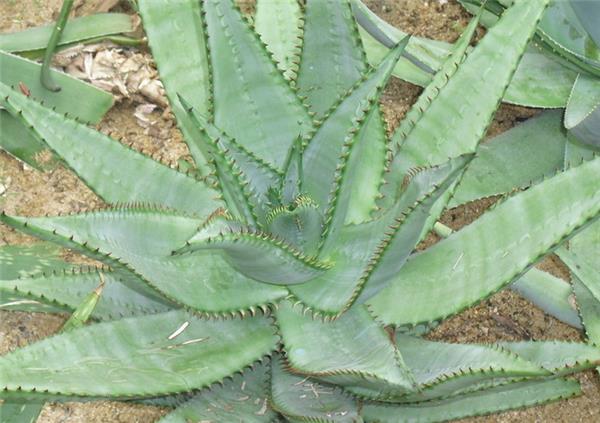
The above has made an in-depth study of how to grow aloe vera well, giving us more confidence in aloe vera cultivation, while also making our growing more scientific and reasonable, with gratifying growth.