Is Gardenia Poisonous? A Comprehensive Analysis of Gardenia Toxicity
The gardenia is beautiful and fragrant, but many friends ask: is the fragrance of the gardenia actually toxic? How toxic is it? And what effect does the gardenia have on our home environment? Let's take a closer look together~
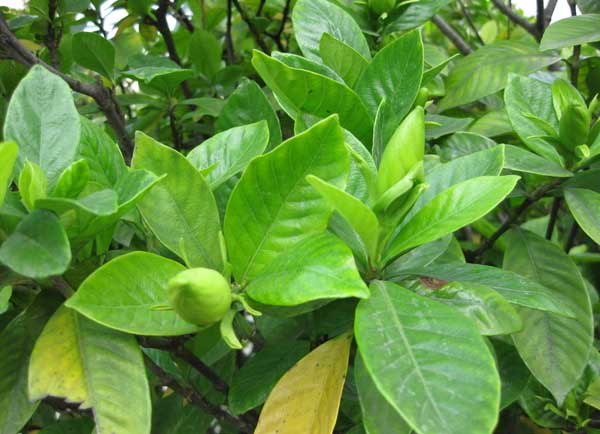
Is Gardenia Poisonous?
In fact, the gardenia is not toxic. Its flowers are richly fragrant and can be worn as a corsage; its fruit can be used as a yellow dye; its wood is hard and fine, and can be used for carving; its roots, leaves and fruit can all be used as medicine. It is cold in nature and bitter in taste, and has the effects of clearing heat and detoxifying, and cooling the blood and reducing fire.
The Gardenia's Effect on the Home Environment
1. Its appearance leaves you nothing to criticise. We often say that the gardenia has great ornamental value. Its ovate-leaf gardenia.
How does it have ornamental value? The gardenia has luxuriant branches and leaves, with foliage that stays evergreen all year round, and flowers that are fragrant and elegantly simple; green leaves and white flowers make it especially lovely and graceful. It is an excellent landscaping material for courtyards, suitable for planting in front of steps, beside ponds and along roadsides, and can also be used as a flowering hedge, potted plant or bonsai for viewing. The flowers can also be used in flower arrangements and as worn decoration. A single delicate, charming little flower gives off a fresh fragrance from time to time, making people linger.
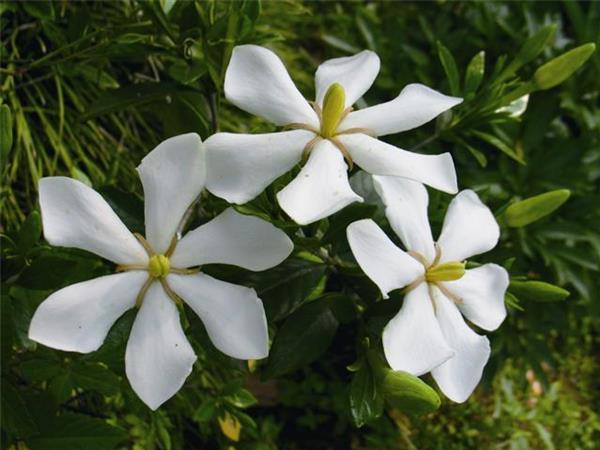
2. It can bring a qualitative change to the home environment. The greatest feature of a gardenia is its floral scent; as long as you plant one at home, it can be smelled for hundreds of square metres around. Just imagine, in your home, with a space of about a hundred-plus square metres, no matter which corner you walk to you can smell the gardenia's scent - what an enjoyable thing that would be!
3. Its role in beautifying the home is absolutely considerable. If you place a gardenia beside the television at home, besides beautifying the indoor space and absorbing harmful indoor radiation, it also gives off a delicate fragrance from time to time, covering the original bland or even unpleasant odours, exchanging the air in the space, and filling the whole home with poetry.
The Gardenia's Value and Effects
1. Beautiful as a flower, making one unable to put it down.
The gardenia has luxuriant branches and leaves, with foliage that stays evergreen all year round, and flowers that are fragrant and elegantly simple; green leaves and white flowers make it especially lovely and graceful, and it is an excellent landscaping material for courtyards. It is suitable for planting in front of steps, beside ponds and along roadsides, and can also be used as a flowering hedge, potted plant or bonsai for viewing. The flowers can also be used in flower arrangements and as worn decoration.
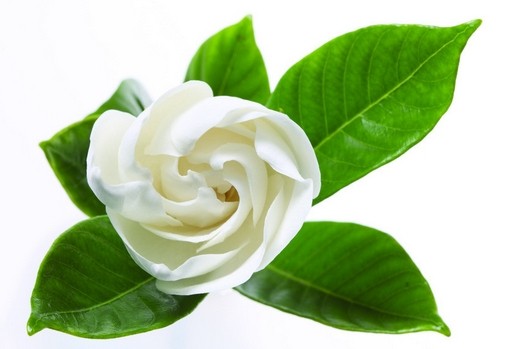
2. Its medicinal value is something you should not underestimate even more.
The gardenia's roots, leaves and fruit can all be used as medicine, with the effects of reducing fire and relieving restlessness, reducing inflammation and clearing heat, clearing heat and promoting urination, and cooling the blood and detoxifying. In addition, the gardenia is resistant to sulphur dioxide and can absorb sulphur to purify the atmosphere; 0.5 kg of leaves can absorb 0.002-0.005 kg of sulphur. >>More
3. When we eat gardenia in daily life, it also has the effect of preventing and treating illness.
Clearing heat and cooling the blood: the gardenia is bitter and cold, and can enter the blood aspect to clear pathogenic heat. It is an auxiliary therapeutic food for conditions such as sores, swellings and toxins, intestinal wind and dysentery, and reckless bleeding due to blood heat.
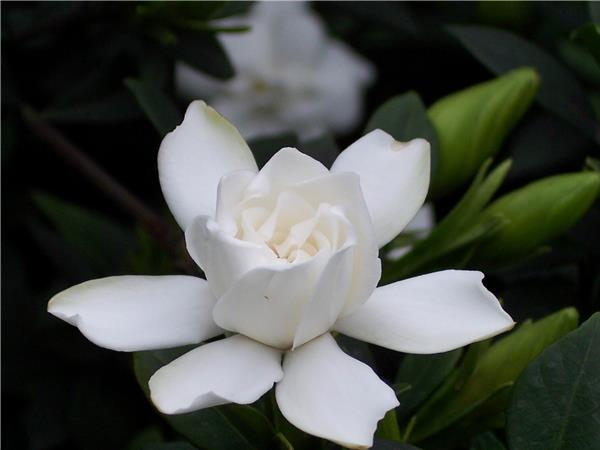
That is all for now on whether the gardenia is poisonous. We hope the above content can help you better understand this question. Stay tuned for more wonderful content~