What are the uses of asparagus fern? A detailed explanation of the main uses of asparagus fern
What are the uses of asparagus fern? This requires us to explore in depth. Because of this, growing asparagus fern has become popular among people. So, what are the uses of asparagus fern? Let us take a look together.
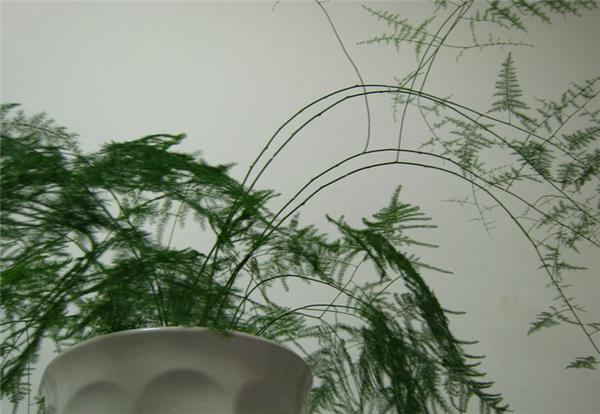
I. The uses of asparagus fern
Asparagus fern belongs to the genus Asparagus in the family Liliaceae. Its roots can be used medicinally and have the effect of treating acute bronchitis and relieving coughs, and also have the effect of moistening the lungs. However, it is mainly grown as a potted foliage plant and is also an important material for cut foliage. Asparagus fern is said to improve cultural refinement, and it has a certain regulating effect on people with liver disease, mental depression, and low mood. At night, aside from being able to absorb harmful gases such as sulfur dioxide, nitrogen dioxide, and chlorine, asparagus fern can also secrete gases that kill bacteria, and it can reduce the occurrence of infectious diseases such as colds, typhoid, and laryngitis. In short, it is greatly beneficial to human health.
The taste of asparagus fern is very bitter, but as the saying goes, good medicine tastes bitter, so it indeed has its benefits. It has the effects of cooling the blood, detoxifying, promoting urination, and treating strangury. The method of use is to decoct 5-8 qian of asparagus fern in water, then add rock sugar and take it. To identify the roots of asparagus fern, you first need to know that the surface of the roots is yellowish-white, then has wrinkles of varying depth, and has slender branch roots. Its texture is relatively flexible and not easy to break, and the cross-section is yellowish-white. The smell is slightly fragrant, but the taste is bitter.
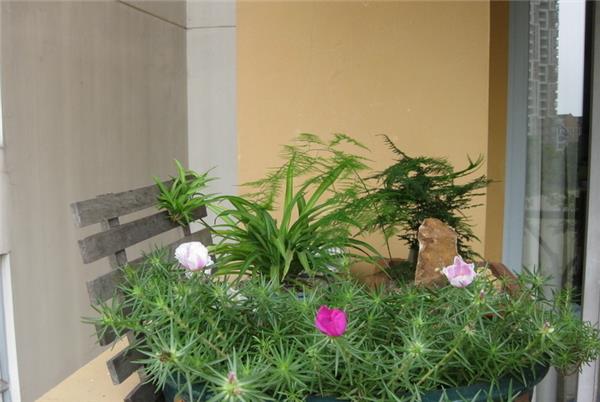
II. Growing asparagus fern
Seedling raising is generally carried out from May to October. Before sowing, soak the seeds in warm water for 10-20 hours. After soaking, mix the seeds with plant ash. When sowing, cover with soil about 1 cm. Seeds germinate poorly in light, and under shaded conditions they emerge in about 15-25 days. After two rounds of seedling separation, transplant them into small pots. It is tolerant of semi-shade and likes a well-ventilated environment. It is not strict about soil requirements. Fertilize less and water less to keep it as upright and dwarf as possible.
(1) Seed propagation usually involves growing seed-bearing mother plants in the ground in a greenhouse. Asparagus fern seeds mature successively from December to April of the following year. Because asparagus fern seeds have a short lifespan, after collecting seeds they should be sown promptly or stored in sand. When sowing, remove the seed coat, take out the seeds, and sow them in a shallow pot or spot-sow them in a flower pot with an inner diameter of 7 cm. If sowing in a shallow pot, spot-sow the seeds at a spacing of 2 cm between plants and rows, press the seeds into the soil, cover with 2-3 mm of soil, cover the shallow pot with glass, and provide shade. Keep the temperature at around 20 degrees C, and they will germinate in about 20-30 days.
(2) Division propagation. Plants 4-5 years old can be divided in early spring. Operate carefully and injure the roots as little as possible. After the seedlings recover, strengthen fertilizer and water management to encourage new shoots to sprout. This method has a low propagation rate, and after division the new plants are not neat in shape, so it is used less often.
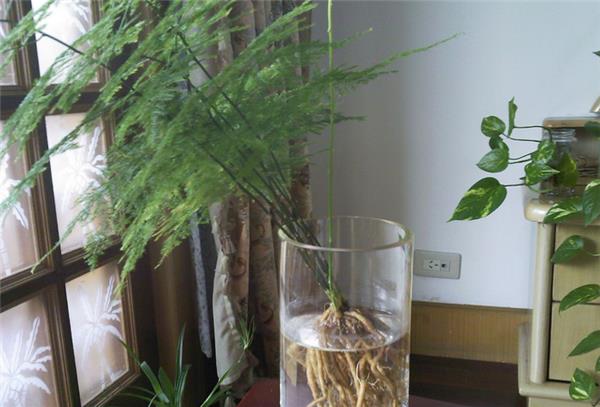
III. What to do if asparagus fern turns yellow
1. During the process of growing asparagus fern, people often complain that asparagus fern turns yellow, but they cannot find the reason why it turns yellow. In fact, many reasons can cause yellowing.
2. The first and most likely cause is strong light exposure, because asparagus fern is a semi-shade plant. If it is often exposed to sunlight, especially the strong light of summer, then it will turn yellow and its chlorophyll will gradually decrease. To solve this situation, you can place it in a shady place and then supplement water regularly.
3. Random watering or irregular watering can also cause this situation. Because too much watering causes water accumulation in the flowers, while too little watering means very little water and it will gradually wither and die. So the general watering rule is: when the sandy soil is dry, then water, and water until the soil is wet.

Above, we have made a detailed investigation into what the uses of asparagus fern are. We now have a clear answer to what the uses of asparagus fern are. In cultivation, we should be more attentive, so that our asparagus fern grows vigorously.