Climbing Rose Cultivation Methods and Key Points for Rose Growing
Roses are also divided into many types, the main ones being climbing roses, floribunda roses, ground-cover roses, and so on. Today we are mainly talking about information related to climbing rose cultivation. Let's take a look together.
Climbing roses:
Do you know about rose cultivation techniques? Is there any difference between climbing rose cultivation techniques and general rose cultivation techniques? Climbing roses are a very important category among rose varieties. Climbing roses like sunlight, climbing roses have luxuriant branches and leaves, and climbing roses have no major differences from other types of roses in daily management. In romantic France, we often see climbing roses blooming luxuriantly on the outer walls of many small towns.
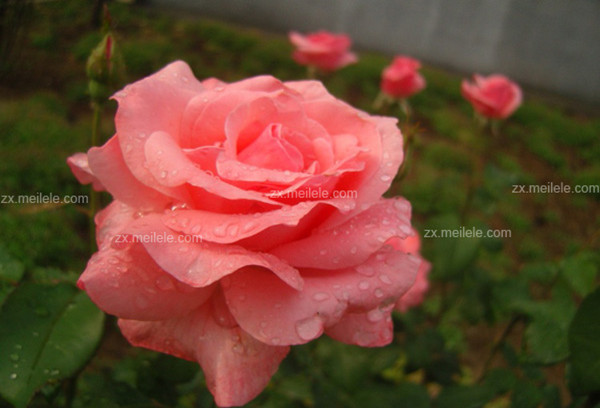
Climbing rose growing methods:
1. Cutting propagation method: When we propagate climbing roses by cuttings, more than 11 of its branches are used in late November to dig out the rootstock and bury it indoors and plant it in a seedbed, without watering for 10 days, and it can survive in about 20 days. If using buds and seedlings for grafting, propagation is mostly carried out during the plum rain season in June and July. Climbing roses are naturally fond of warm places, so when growing them in pots, they should be placed in a sunny spot;
2. Grafting propagation method: For grafting propagation, it is best to use thornless rose as rootstock for grafting, and branch, bud, and root grafting are all acceptable. Climbing roses like moist and fertile soil. The soil in ordinary homes generally does not have this condition, so we can use peat to protect the roots at the base, that is, dig a hole and fill it with peat.
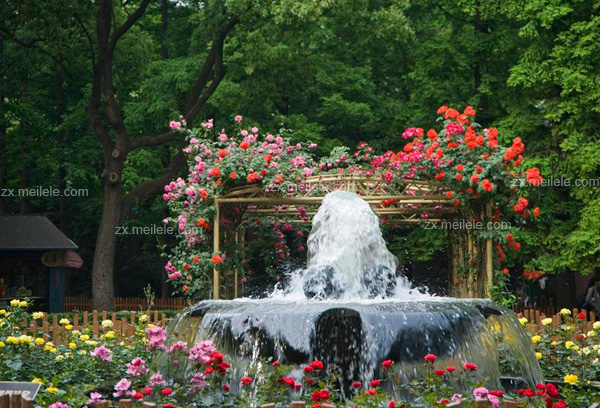
Rose cultivation:
1. Sunlight: Climbing roses like full sunlight. In daily management, there should be at least more than 6 hours of light on average each day, otherwise the flowers of climbing roses will not look as good because of the lack of sunlight;
2. Soil: For potted climbing roses, special attention should be paid to changing the soil at each stage, generally changing the soil in spring before new buds sprout;
3. Watering and fertilizing: Watering is very particular; it should be neither dry nor wet. For potted climbing roses, be sure not to let water accumulate in the pot, as it can easily cause root rot. Usually, just keep the soil moist;
4. Temperature: Climbing roses like a warm climate environment. The most suitable temperature is 18°C to 28°C. Be sure not to expose them to high-temperature scorching sun.
Conclusion: Do you all understand the above techniques for rose cultivation? Rose cultivation is actually very simple as long as you master the methods. Climbing roses are not only beautiful, they are also very helpful to our daily life. They can absorb harmful gases and also have a very strong resistance to those harmful gases, so climbing roses are also excellent flowers for protecting the environment in our lives.
[More information]
| Plectranthus amboinicus | Marigold planting | Care methods for Radermachera sinica | Flower pictures and names | Effects of Epipremnum aureum | How to grow Gardenia jasminoides |
| Cactus growing methods | Potted flower pictures | Murraya paniculata bonsai | Schlumbergera growing methods | Serissa japonica bonsai | Bowl lotus |
| Office feng shui plants | Alocasia macrorrhizos growing methods | Camellia growing methods | Hyacinth flower language | Rose pictures |
| Zamioculcas zamiifolia pictures | Plum blossom verses | Potted fruit trees | How to grow carnations | Is Ficus elastica toxic | Cymbidium nine-bud large-flowered orchid |