Are Cactus Balls Poisonous? Let Us Walk You Through the Toxicity of Cactus Balls
Are cactus balls poisonous? This question must be clarified, because only then can you achieve better growth when growing cactus balls at home, and also get a good effect on the indoor environment. So, are cactus balls poisonous?
I. Are Cactus Balls Poisonous?
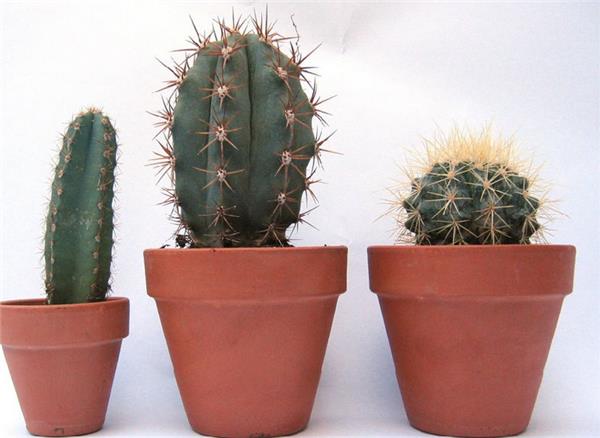
The cactus ball's round appearance makes it very lovable, but word has it that cactus balls are poisonous. Is this true?
First of all, as a species, the cactus ball is divided into many categories, some good and some bad. However, most cactus balls are not toxic; only a small number of wild cactus balls are somewhat harmful to the human body. This is mainly seen in their spines. When these spines prick a person's skin, they can cause redness, swelling, pus and pain. Although some cactus balls are natural enemies of humans, it is undeniable that most cactus balls are beneficial and harmless to humans. For example, their ornamental value: some hydroponic cactus balls are artistic masterpieces among hydroponic flowers. Their health benefits: they can relieve many types of inflammation. Their edible value: food products made from them can be called green health foods. Their medicinal value: some medicines containing cactus ball have the effect of treating chilblains, stomach pain and mastitis. From this, the pros and cons of cactus balls for humans are obvious, and so everyone can gain a deeper understanding of the question of whether cactus balls are toxic. Cactus balls are toxic only in a small number of wild varieties, but the cactus balls that live around us in daily life are non-toxic. Therefore, in our attitude toward cactus balls, we should also stand on the side of objective facts and not smear the whole for the sake of one point. Do not give up on making good use of cactus balls, because they really can make our lives healthier and more interesting!
II. How to Grow Cactus Balls
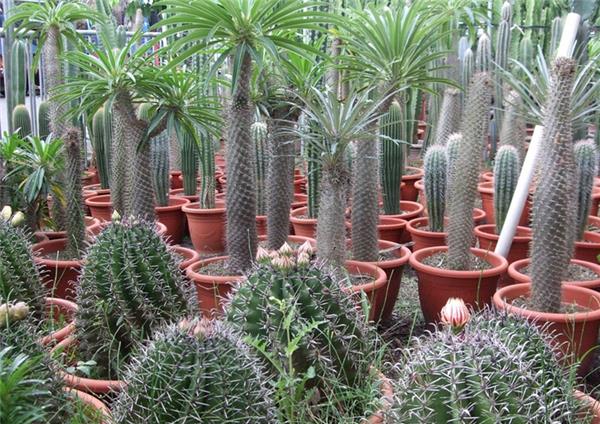
Cactus balls like high temperatures and dry environments. In winter, the room temperature should be kept above 20°C during the day, and the nighttime temperature should not be lower than 10°C. If the temperature is too low, the root system is prone to rot. Cactus balls require plenty of sunlight, but in summer they must not be exposed to strong direct sun and need appropriate shading. For indoor cultivation, artificial light can be used to help them grow robustly.
For potted cactus balls, the soil needs good drainage and aeration. For this, we can choose lime-containing sandy soil (or sandy loam). In addition, limestone gravel or old lime wall debris discarded when old buildings are demolished can also be added, which very well ensures the soil's drainage and aeration.
Planting is best done in spring. When choosing a flower pot, it is not advisable to choose one that is too large; one that can hold the cactus ball's body with a little space left is enough. If the pot is too large, the water cannot be absorbed after watering; if the pot is too small, air circulation will be poor, which easily causes root rot.
The growth of cactus balls requires a dry environment, so watering must be controlled. Generally, watering once a month with water that has been left to stand is enough. Of course, when watering, water thoroughly in one go until it reaches the bottom. The best time to water cactus balls is early morning in summer, and in winter it is best to do it in the morning on a clear day; in spring and autumn, either morning or evening is fine. When watering, do not pour from the top, as after a long time it will cause ugly spots. Water thoroughly each time, and also loosen the soil regularly so that the soil can absorb water evenly.
III. The Effects of Cactus Fruit
The effects of cactus fruit in biological food therapy:
1. Rich in carbohydrates, an important substance that makes up the body, stores and provides heat energy, is the energy source necessary for maintaining brain function, regulates fat metabolism, provides dietary fiber, saves protein, detoxifies, and enhances intestinal function.
2. Rich in protein, it helps maintain the potassium-sodium balance and eliminate edema. It improves immunity. It lowers blood pressure, buffers anemia, and is beneficial to growth and development.
3. Rich in cellulose, it gives a feeling of fullness and is helpful for weight loss. After eating, it can stimulate the gastrointestinal tract and can prevent and treat diseases such as constipation and hemorrhoids.
4. Rich in fat, it maintains body temperature and protects the internal organs, provides essential fatty acids, promotes the absorption of these fat-soluble vitamins, and increases the feeling of fullness.
The effects of cactus fruit in traditional Chinese medicine food therapy:
1. Promoting the flow of qi and blood: it promotes the circulation of qi and blood in the human body and is suitable for treating blood stasis syndrome.
2. Removing dampness and reducing heat: it is bitter in taste, can clear the heart and purge fire, clear heat and relieve irritability, and can eliminate heat toxins in the blood. It is suitable for people who are prone to internal heat.
3. Antioxidant: it has antioxidant activity, can reduce the peroxidation reaction caused by computer radiation, and promote cell growth.
4. Nourishing the face and caring for the skin: it contains a large amount of carotene, which helps maintain the normal function of skin cell tissues, stimulates skin metabolism, and keeps the skin moist and delicate.
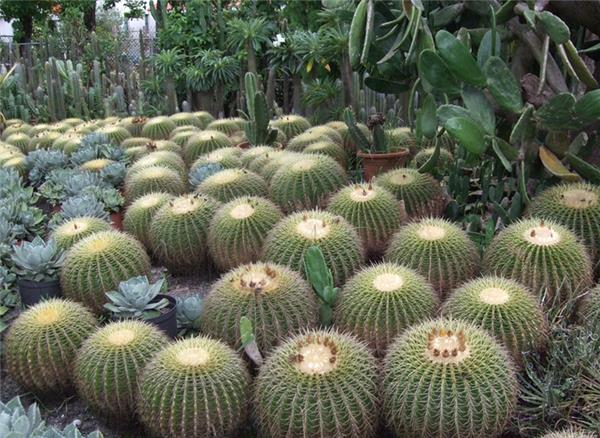
The above has examined whether cactus balls are poisonous, and also provided an understanding of the effects of cactus balls. It is believed that through these, your plan to grow cactus balls at home will be even firmer, and your approach to cactus balls will be more scientific.
The above has examined whether cactus balls are poisonous, and also provided an understanding of the effects of cactus balls. It is believed that through these, your plan to grow cactus balls at home will be even firmer, and your approach to cactus balls will be more scientific.