What are the plants that purify the air?
There are quite a few kinds of plants that purify the air, and in fact many of them are very common in our daily lives, and many have names we are familiar with. If you are not yet very clear about them, let's take a look together below~
What are the plants that purify the air?
1. Spider plant: The spider plant is not only beautiful, but also has a particularly good effect on absorbing toxic gases. Even in a room that has not been renovated, keeping a pot of spider plant is very beneficial to people's health.
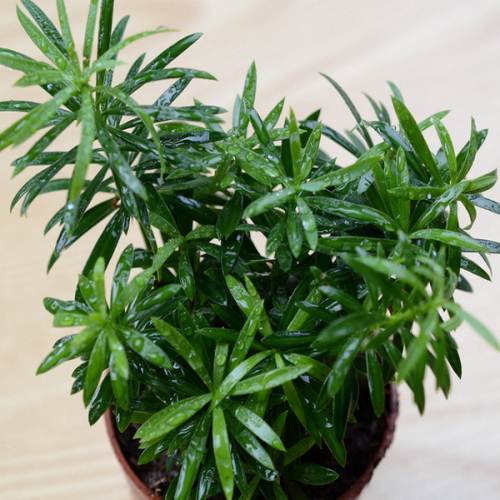
2. Aloe: Aloe has a certain effect on absorbing odors, and also has the effect of beautifying the room.
3. Cactus: Most plants absorb carbon dioxide and release oxygen during the day, and do the opposite at night. But cacti, snake plants, sedum, aloe and spider plants, among others, absorb carbon dioxide and release oxygen all the time.
4. Peace tree: At present, large plants such as the peace tree and camphor tree are relatively popular on the market; they themselves can release a fresh gas that makes people feel cheerful. The peace tree is also called "cinnamon".
5. Chinese rose: It can absorb gases such as hydrogen sulfide, hydrogen fluoride, benzene, ethyl phenol and ethyl ether; it also has considerable resistance to sulfur dioxide and nitrogen dioxide.
6. Snake plant: A natural scavenger. One pot of snake plant can absorb more than 80% of various harmful gases in a room of about 10 square meters, and two pots of snake plant can basically completely purify the air in an ordinary room; the snake plant can also release a large amount of oxygen during the day.
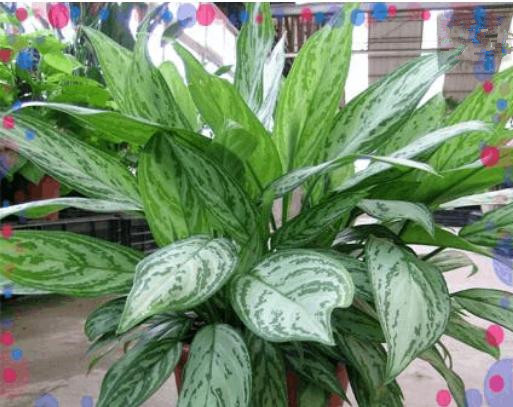
7. Aloe: As the flower saying goes, "Spider plant and aloe are strong hands; formaldehyde is scared into hiding." Evergreen aloe has a certain effect on absorbing odors, and the effect lasts a relatively long time. In addition, aloe also has beauty benefits.
8. Azalea: Azalea is a relatively ideal flower and tree for resisting pollution such as sulfur dioxide. For example, Rhododendron argyrophyllum can also sprout and grow branches normally more than 300 m away from a sulfur dioxide pollution source.
9. Ivy: One pot of ivy can eliminate 90% of the benzene in a room of 8 to 10 square meters, can deal with bacteria and other harmful substances brought in from outdoors, and can even absorb dust that is difficult for even a vacuum cleaner to pick up.
10. Aglaonema: It is famous for its unique air-purifying ability: the higher the concentration of pollutants in the air, the better it can exert its purifying ability! Therefore, it is very suitable for dark rooms with poor ventilation.
11. Hibiscus: It can absorb toxic gases such as sulfur dioxide, chlorine and hydrogen chloride. It can also grow normally 150 m away from a fluorine pollution source.
12. Lucky bamboo: A healthy plant suitable for the bedroom. Lucky bamboo can help improve air quality in rooms that are not often ventilated, has a toxic [gas-absorbing] function, and especially in the bedroom, lucky bamboo can effectively absorb exhaust gases, improving the private environment of the bedroom.
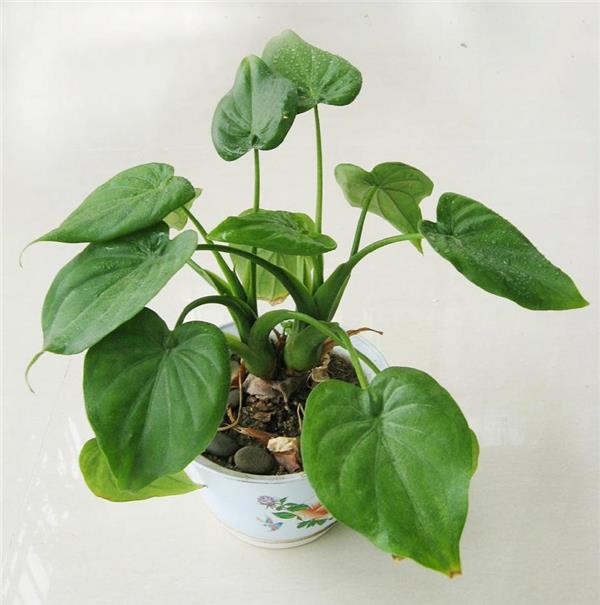
13. Asparagus fern: A protective umbrella that eliminates bacteria and viruses. The plant aroma contained in asparagus fern has antibacterial components, can remove bacteria and viruses in the air, and has a health-care effect.
14. Money tree: It releases oxygen and absorbs carbon dioxide; it is suitable for growing in a warm, humid and well-ventilated environment, likes sunlight and also tolerates shade, and is convenient to manage and maintain.
15. Peace lily: An "expert" at suppressing waste gases exhaled by the human body, such as ammonia and acetone. At the same time, it can also filter benzene, trichloroethylene and formaldehyde in the air. Its high evaporation rate can prevent the nasal mucosa from drying out, greatly reducing the possibility of illness.
16. Weeping fig: Its leaves and roots can absorb xylene, toluene, trichloroethylene, benzene and formaldehyde, and decompose them into non-toxic substances.
17. Camellia: It can resist the harm of harmful substances such as sulfur dioxide, hydrogen chloride, chromic acid and nitric acid fumes, and has a purifying effect on the atmosphere.
18. Crape myrtle: Crape myrtle has relatively strong resistance to toxic gases such as sulfur dioxide, hydrogen chloride, chlorine and hydrogen fluoride. Each kilogram of dry leaves can absorb about 10 grams.
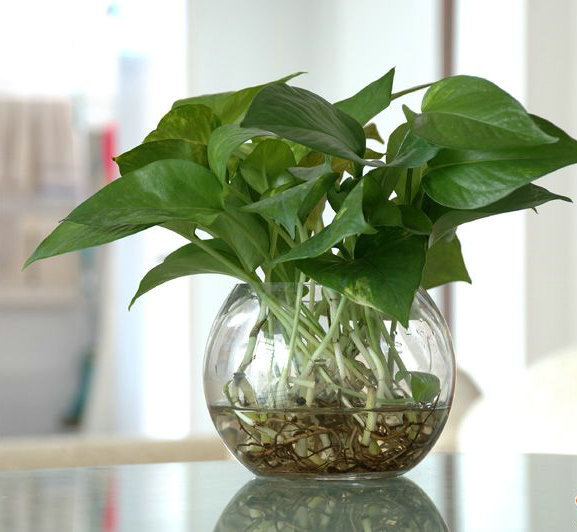
19. Milan: It can absorb sulfur dioxide and chlorine in the atmosphere. After being fumigated for 4 hours in air containing IPPM chlorine, 1 kilogram of dry leaves absorbs 0.0048 grams of chlorine.
20. Osmanthus: Osmanthus has a special resistance to chemical fumes, and has varying degrees of resistance to pollutants such as hydrogen chloride, hydrogen sulfide and phenol. After being planted in a chlorine-polluted area for 48 days, 1 kilogram of leaves can absorb 4.8 grams of chlorine. It can also absorb mercury vapor.
That is all for now on the topic of air-purifying plants. I hope the above content can help you better understand this issue. Please look forward to more wonderful content~