What are the benefits and effects of chrysanthemum tea?
Chrysanthemum tea is one of our favorite drinks. On a hot summer day, sitting in a tea shop, ordering a cup of chrysanthemum tea and sipping it slowly, such a life is truly pleasant. But do you know the benefits and effects of chrysanthemum tea?
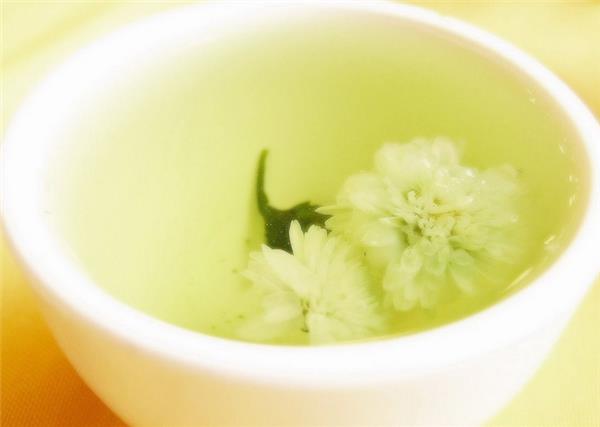
I. Benefits and effects of chrysanthemum tea
Chrysanthemum tea has a rich aroma, refreshes the mind, and also has a certain effect of relaxing the nerves and soothing headaches. In traditional Chinese medicine it is mostly used to treat conditions such as red eyes, sore and swollen throat, tinnitus, wind-heat cold, headache, high blood pressure, and sores and toxic swellings. If consumed over the long term, it also has the effects of "promoting blood and qi, lightening the body, and prolonging life."
Scientists have confirmed that chrysanthemum tea contains volatile oils, chrysanthemum glycosides, adenine, amino acids, choline, stachydrine, berberine, flavonoids, chrysanthemum pigments, vitamins, trace elements and other substances, which can resist pathogens and enhance the resistance of capillaries;
The flavonoid substances in it have been proven to have a strong scavenging effect on free radicals, and are also highly effective in antioxidation and anti-aging. From a nutritional standpoint, the essence of a plant lies in its flowers and fruits. Chrysanthemum petals contain 17 kinds of amino acids, among which glutamic acid, aspartic acid, proline and others are relatively high in content. Chrysanthemum is also suitable for brewing together with many kinds of flowers and teas, making the effects even more remarkable.
Side effects of chrysanthemum tea
Chrysanthemum is also a traditional Chinese medicine and should not be used indiscriminately. Chrysanthemum can not only cause severe allergic conjunctivitis; people who have a history of hay fever allergic conjunctivitis especially need to pay attention, because such people are also prone to allergic reactions after taking chrysanthemum. For people with a constitution tending toward deficiency-cold, that is, what we often call a yang-deficiency constitution, if they drink chrysanthemum tea, which has the effect of clearing heat and purging fire, indiscriminately, it is easy to damage healthy qi, making them weaker the more they drink it, thereby worsening the symptoms of pharyngitis. In general, chrysanthemum tea is most suitable for people with dizziness, red and swollen eyes with pain, sore throat, excessive liver fire, and high blood pressure.
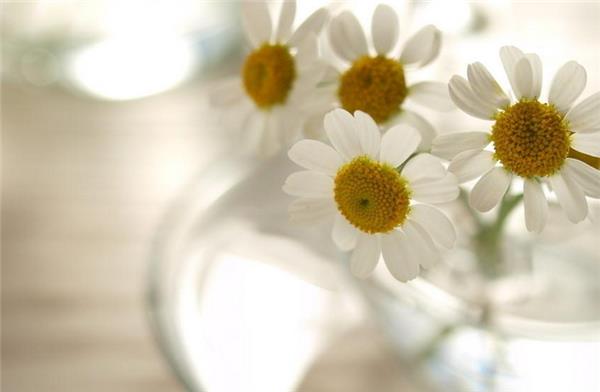
Chrysanthemum belongs to the pollen category, so people allergic to pollen should not drink it. If you want to drink chrysanthemum tea, it is recommended to first brew one or two flowers and try it; if there is no problem, then brew more, but it should not be consumed in excess, otherwise allergies will be very troublesome. For people with diabetes or high blood sugar, it is best not to add sugar to chrysanthemum tea, and some people with spleen deficiency should also not add sugar, because tea that is too sweet can cause a sticky or sour mouth and excessive saliva.
When brewing chrysanthemum tea, keep in mind that white chrysanthemum tastes sweet and is effective at calming the liver and improving eyesight; if your eyes are dry and uncomfortable, you can choose it, but its heat-clearing ability is somewhat weaker. Yellow chrysanthemum tastes slightly bitter and has strong heat-clearing ability, and is often used to disperse wind-heat; if you have internal heat or mouth ulcers, brewing it in water can reduce the heat. Wild chrysanthemum is effective in preventing and treating epidemic encephalitis, influenza, and venomous snake bites, so these kinds of chrysanthemum must not be confused in use, and even less should they be substituted for one another.
II. Growing chrysanthemums
1. Fertilize at the right time and in a controlled way. Chrysanthemums like fertilizer. Improper fertilization can easily cause excessive vegetative growth; too much fertilizer results in tall plants with sparse leaves, so the base fertilizer should mainly be phosphorus and potassium fertilizers. Do not apply topdressing too early. If the leaves are small and thin and the leaf color is yellowish, you can spray 0.1% urea water multiple times until the leaves turn green again. If symptoms of phosphorus or potassium deficiency appear, spray a 0.2% potassium dihydrogen phosphate solution. From the start of autumn to before flowering, fertilizer and water should be sufficient, and the concentration should gradually increase; attention should also be paid to applying more phosphorus and potassium fertilizers, which can make the flower color more true and the flowering period longer.
2. Control water appropriately. To make chrysanthemums grow short and sturdy, with dense nodes, fat leaves, and no bare lower stems, water control is the only effective measure. Potted chrysanthemums should be watered at the right time and in the right amount. Even during the peak growth period, the daily amount of water only needs to be maintained at the level required for evaporation by noon during the day, that is, spray water on the leaves once in the morning and once in the evening each day.
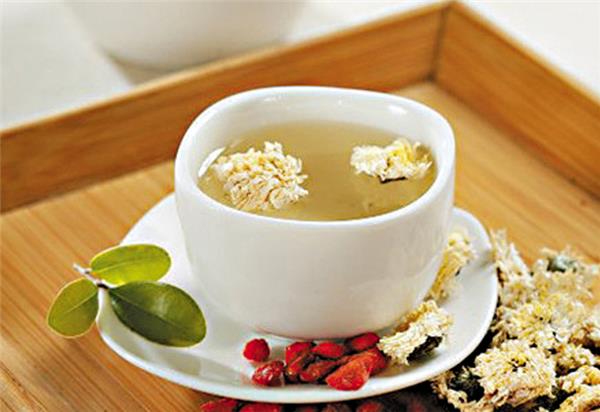
3. Repot and change soil appropriately. Throughout the entire growth process of chrysanthemums, generally 2-3 repottings are needed. During the seedling stage, transplant them into small pots about 12 cm in diameter for care; during the strong seedling stage, move them into pots about 15 cm in diameter for cultivation; and before flower bud differentiation, move them again into pots about 20 cm in diameter for cultivation. At this time, fertilizer should be applied in a timely manner. Only in this way, as the flower pots gradually increase in size and the potting soil gradually increases in amount, is it beneficial for supplying the appropriate amount of water and fertilizer needed at each growth and development stage. Absolutely avoid keeping small seedlings in large pots or large seedlings in small pots. If the branches and leaves are found to be excessively lush, part of the old soil or fibrous roots can be removed.
4. Pinch promptly. Pinching promptly can promote the growth of side branches and effectively reduce plant height. For potted plants, the timing and number of pinchings vary according to different shaping arts. Generally, keep 4-7 flowers. After the chrysanthemum seedlings are planted, pinch when 4-5 leaves are retained, and when their side branches grow 4-5 leaves, retain 2-3 leaves on each side branch for a second pinching.
5. Remove buds and thin flower buds. During the strong seedling stage of chrysanthemums, many axillary buds sprout and need to be pinched off promptly with the fingers; otherwise they consume a large amount of nutrients and can produce many small side branches, making the plant look messy and disorganized. During the bud stage, side buds sometimes appear on the small branches below the terminal bud. Apart from those that need to be retained, the side buds should also be removed early to promote the enlargement of the terminal bud.
6. Take good care of the lower leaves. As the saying goes, "Fresh flowers still need green leaves to set them off." Achieve timely cuttings, and during the growth period of potted chrysanthemums, rationally fertilize, water, and prevent pests and diseases. This can prevent the lower leaves from turning yellow and falling off, and can also ensure that the leaves remain green and attractive, improving the ornamental effect.
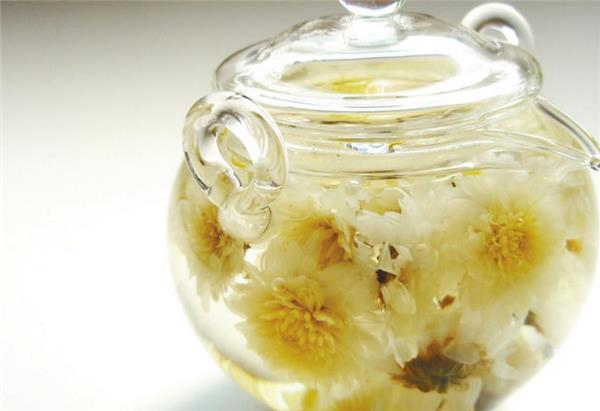
The above gives a detailed understanding of the benefits and effects of chrysanthemum tea, and at the same time also provides an understanding of chrysanthemum cultivation. I hope everyone can continue to pay attention to chrysanthemums and become interested in growing them.
Achieve timely cuttings, and during the growth period of potted chrysanthemums, rationally fertilize, water, and prevent pests and diseases. This can prevent the lower leaves from turning yellow and falling off, and can also ensure that the leaves remain green and attractive, improving the ornamental effect.
The above gives a detailed understanding of the benefits and effects of chrysanthemum tea, and at the same time also provides an understanding of chrysanthemum cultivation. I hope everyone can continue to pay attention to chrysanthemums and become interested in growing them.