What to Do When Asparagus Fern Leaves Turn Yellow? A Gardener Shares the Solution
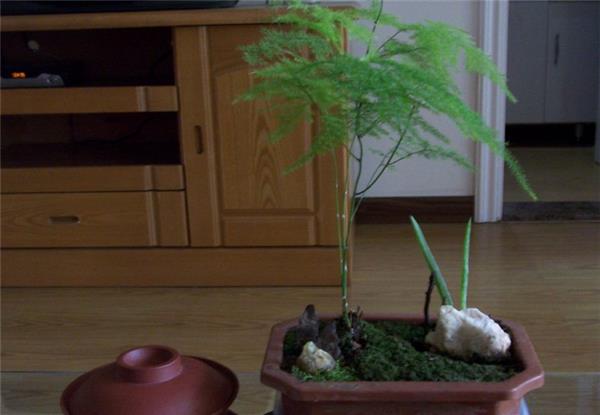
Asparagus fern (Asparagus setaceus) has always been a beloved plant of scholars and refined gentlemen, and they pay close attention to its cultivation. But problems still arise. When it comes to growing asparagus fern, if the leaves turn yellow, how should you deal with it? Let's find out together what to do when asparagus fern leaves turn yellow.

I. What to Do When Asparagus Fern Leaves Turn Yellow
1. Too Much Light
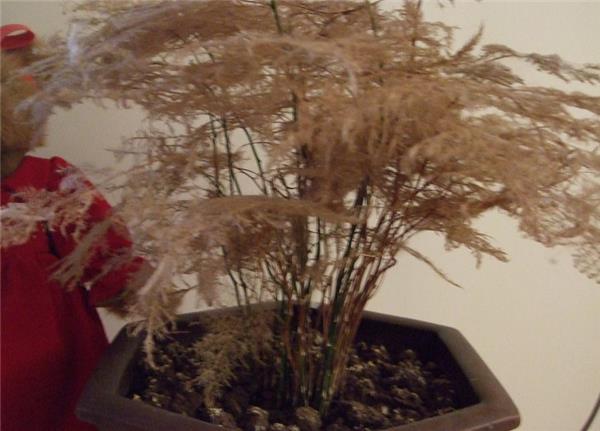
Asparagus fern is a shade-loving plant. During cultivation, strong light should be avoided, especially direct sunlight in summer, which can very easily cause the branches and leaves to wither and yellow. If not dealt with in time, it may cause the asparagus fern to die.
Solution: When asparagus fern leaves turn yellow, promptly move the pot to a shady spot, and frequently sprinkle water on the branches and leaves to increase air humidity and provide a good growing environment for the asparagus fern.
2. Improper Fertilisation
Everyone knows that over-fertilising a plant can instead cause it to die, and asparagus fern is no exception. If too much fertiliser or unrotted fertiliser is applied to asparagus fern, it can very easily burn the roots, which will hinder nutrient absorption and cause yellowing leaves and dry, falling leaves. However, not fertilising at all will leave the asparagus fern lacking sufficient nutrients, which will also cause the leaves to turn yellow.
Solution: If too much fertiliser was applied, it is recommended to repot immediately and transplant the asparagus fern into a new environment; if there is not enough fertiliser, it is recommended to appropriately increase the amount of fertiliser to provide the nutrients the asparagus fern needs.
3. Improper Watering
Asparagus fern is a shade-loving plant, and it also likes moisture. However, asparagus fern is afraid of waterlogging. Soil that is too wet will cause the roots to have difficulty breathing, leading to excessive lactic acid and root rot. So it is recommended not to water asparagus fern frequently; it is not too late to water when the soil surface becomes dry.
Solution: Pour out the water in the pot and place it under the sun for a period of time so the water evaporates as quickly as possible. When it comes to watering asparagus fern, you must know that too much water easily causes root rot, while too little water easily causes dry leaf tips. In dry seasons, spray clean water on the leaves more often.
II. How to Grow Asparagus Fern
Asparagus fern likes a warm, ventilated, semi-shaded and semi-moist environment. It is not cold-tolerant and should avoid direct sunlight. It grows best in sandy soil rich in humus with good drainage. The key to cultivating asparagus fern is watering. Too much watering and overly wet potting soil easily cause root rot and yellow, falling leaves; too little watering and overly dry potting soil easily cause yellow leaf tips and scorched, falling leaves. So watering should be based on the weather, the plant's growth and the condition of the potting soil. The correct approach is: do not water when dry, and when you do water, water thoroughly. Do not give "half watering", that is, watering only enough to moisten the soil surface while the lower layer of potting soil remains dry. When the weather is hot and dry, spray water on the leaves to increase humidity and lower temperature. In winter, water less, and keeping the room temperature above 5°C is sufficient. Asparagus fern is afraid of smoke and dust, so the placement spot must be well ventilated.
III. Growing Asparagus Fern in Water
1. After about two months, take out the asparagus fern to check whether white new roots have grown. Usually they will have; if not, continue growing it. If new roots have grown, you can take it out, clean the roots, and transplant it into a container with a hydroponic basket. A semi-transparent hydroponic container can be chosen, as this prevents strong light from damaging the roots.
2. Small stones or clay pebbles can be added to the hydroponic basket to secure the plant. When securing it, let the roots spread out fully; then place the plant together with the planting basket into a 1‰ carbendazim solution to soak the roots for 30 minutes, put it in a cool place, and once the root system becomes soft you can proceed to the next step.
3. In the early stage of hydroponics, change the water once every two to three days; after half a month, once every four to five days, depending on the weather. Change the water more often when the temperature is high, and less often when the temperature is low. The water level is generally half or one third of the roots.
4. The nutrient solution for hydroponic asparagus fern should be one specially made for asparagus fern. Spray water on the leaves twice a day. At a suitable temperature of 15-25°C, new roots will grow within two weeks, and at this point a foliar fertiliser should be added once every week.
5. Because asparagus fern likes a semi-moist environment, it is generally placed near a window with light, but not in a spot with direct sunlight, and kept well ventilated. A tray with water should still be placed under the container, and the water replenished frequently.
The above offers some solutions to the yellowing leaves that commonly occur during the cultivation of asparagus fern. We hope it can be helpful in your asparagus fern growing and let it play a nice decorative role in your home environment.
We hope it can be helpful in your asparagus fern growing and let it play a nice decorative role in your home environment.