Which indoor flower varieties are easy to care for and which are not?
We all know that growing flowers has certain benefits for our home environment, but if you have not learned about the characteristics of each type of flower before, then we suggest you read the article below to see which flowers are suitable for indoor growing and which are better not grown indoors~
18 indoor flower varieties that are not suitable for indoor placement
Rose (Rosa chinensis): The strong, rich fragrance given off by the rose can make people with allergic constitutions feel chest tightness and discomfort, and leave them gasping for breath.
Orchid: If its fragrance is smelled for too long, it can make a person overly excited and cause insomnia.
Oleander: The toxic gas it gives off can make a person feel depressed and short of breath, and easily triggers bronchitis and pneumonia. Smelling its scent often can cause a decline in intelligence.

Redbud (Bauhinia): If a person comes into contact with its pollen for a long time, it can trigger asthma.
Night-blooming jasmine (Cestrum nocturnum): At night it gives off strong particles that stimulate the sense of smell; people with high blood pressure and heart disease should not smell it for long, otherwise it will worsen their condition.
Lily: Smelling its fragrance for a long time will overstimulate a person's central nervous system and cause insomnia.
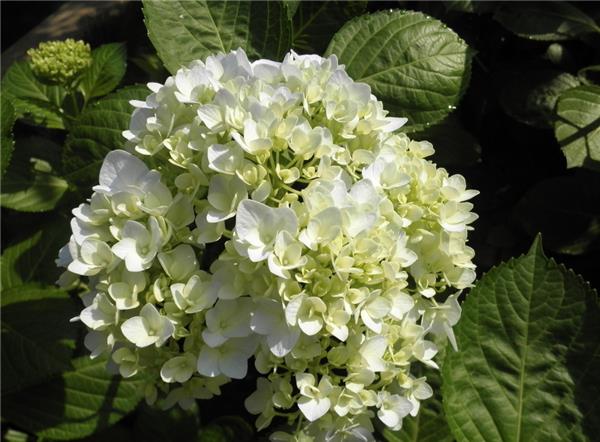
Hydrangea: If a person comes into contact with the particles it gives off for a long time, skin allergies or skin itching will occur.
Pine and cypress: The smell given off by pine and cypress flowers and trees has an irritating effect on the human stomach and intestines; smelling it for a long time not only affects a person's appetite, but also makes pregnant women feel restless and nauseated. Source: Bihai Yinsha Comprehensive.
Yellow azalea (Rhododendron molle): Both the plant and the flowers contain toxins; if eaten by mistake, it will cause poisoning.
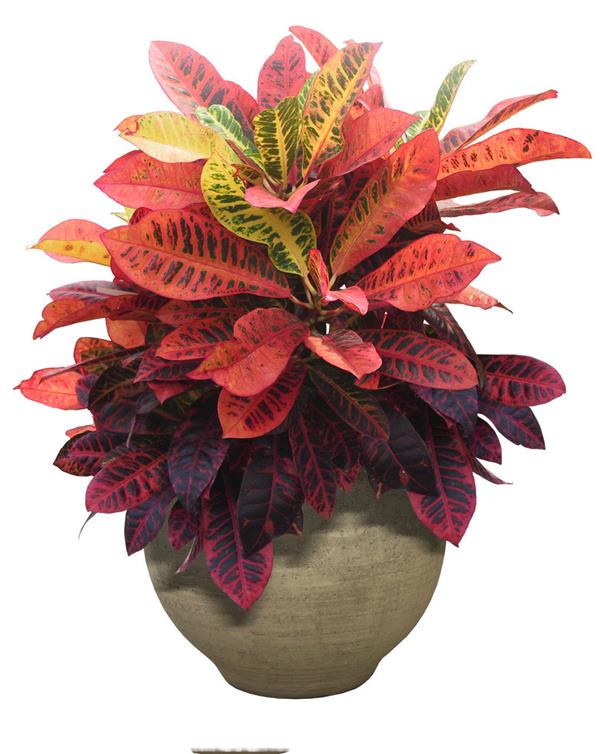
Poinsettia: The whole plant is toxic; the white sap can irritate the skin and cause redness and swelling, and eating the stems or leaves by mistake carries the risk of poisoning and death.
Pencil cactus (Euphorbia tirucalli): It is a succulent plant; the white sap that flows out after its stem is broken can cause skin redness and swelling, and if it gets into the eyes it can cause blindness.
Lantana: The flowers and leaves are toxic; eating them by mistake will cause diarrhea and fever.
Narcissus: The bulb contains lycorine; eating it by mistake will cause enteritis and vomiting. The sap of the leaves and flowers can cause skin redness and swelling.
Lycoris (Lycoris radiata): The bulb contains toxic substances such as lycorine. After human skin comes into contact with lycorine, it will cause redness, swelling and itching; inhaling lycorine into the respiratory tract will cause nosebleeds, and eating it by mistake will cause vomiting, diarrhea, cold hands and feet, and shock, and in severe cases can lead to death from central nervous system paralysis.
Mimosa: Its body contains mimosine; excessive contact will cause hair loss and sparse eyebrows in humans.
Crown of thorns (Euphorbia milii) and Euphorbia neriifolia: The white latex in the stems is toxic, and neither may get into the eyes.
Dieffenbachia (Dumb cane): The flowers and leaves contain oxalic acid and asparagine; eating them by mistake will cause swelling and pain in the mouth, throat, esophagus, stomach and intestines, and may even damage the vocal cords and make a person mute.
Indoor flower varieties that are suitable for indoor placement
According to reports, plants such as Aster, Astragalus, tobacco and cockscomb can absorb large amounts of radioactive elements such as uranium; aloe, spider plant and snake plant can remove formaldehyde; English ivy, rose, multiflora rose, aloe and Dieffenbachia can effectively remove indoor trichloroethylene, hydrogen sulfide, benzene, phenol, hydrogen fluoride and ether; snake plant, Monstera deliciosa and Aspidistra can absorb more than 80% of indoor harmful gases; asparagus fern can remove heavy metal particles; citrus, rosemary and spider plant can greatly reduce bacteria and microorganisms in indoor air.
In addition, spider plant can also effectively absorb carbon dioxide; some succulent flowers of the Cactaceae family emit very little carbon dioxide at night; wisteria has strong resistance to sulfur dioxide, chlorine and hydrogen fluoride, and also has a certain resistance to chromium; and some large-leaved, water-loving plants such as pothos can keep indoor air humidity in an excellent state.

Although keeping flowers at home has many benefits, placing flowers in the bedroom requires care, because during the day flowers release oxygen and absorb carbon dioxide during photosynthesis; but at night, flowers do not carry out photosynthesis, and not only do they release carbon dioxide, but they also absorb oxygen. Therefore, in the bedroom, it is best to place few or no flowers at night, to avoid them competing with people for oxygen and affecting health.
That is all for now on indoor flower varieties; we hope the above content can help you better understand this issue, and please look forward to more wonderful content~