A Complete Guide to the Benefits, Effects and Culinary Uses of Cassia Seeds
The flowers of the cassia plant (Senna obtusifolia) are yellow and brilliantly eye-catching, giving it a certain ornamental value when grown in gardens. In addition, cassia seeds come from a traditional medicinal flowering plant and also have certain medicinal value. So what exactly are the benefits, effects and culinary uses of cassia seeds? Let's take a look together below!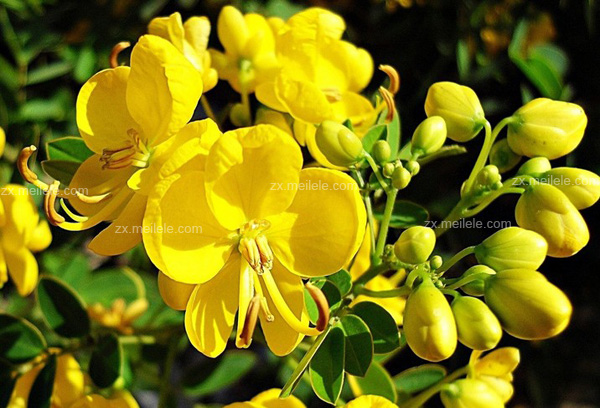
Benefit and Effect of Cassia Seeds One: Treating Constipation
Cassia seeds have a very good therapeutic effect on patients with constipation. The specific method is to brew cassia seeds together with rock sugar in boiling water and drink it as tea, one dose per day, with each dose steeped three times; alternatively, grind the cassia seeds, decoct them in water, then add an appropriate amount of honey and stir well, taking one dose each morning and evening. For elderly patients with constipation, they can also take single-herb cassia seeds or crushed cassia seeds and simply steep them in tea and drink. As long as they keep drinking it, the desired effect can be achieved.
Benefit and Effect of Cassia Seeds Two: Medical and Health Care
Cassia seeds are a Chinese herbal medicine, and therefore have multiple medical and health care effects. For patients with high blood pressure, the cassia seeds can be stir-fried until yellow and pounded into powder, then brewed with sugar in boiling water and drunk; alternatively, cassia seeds can be decocted in water together with common selfheal fruit-spike. For patients with high blood lipids, cassia seeds, Oriental waterplantain rhizome, red peony root, hawthorn and reishi mushroom can be decocted in water and taken, or raw cassia seeds can be decocted in water together with kudzu root and hawthorn. Both have very good therapeutic effects.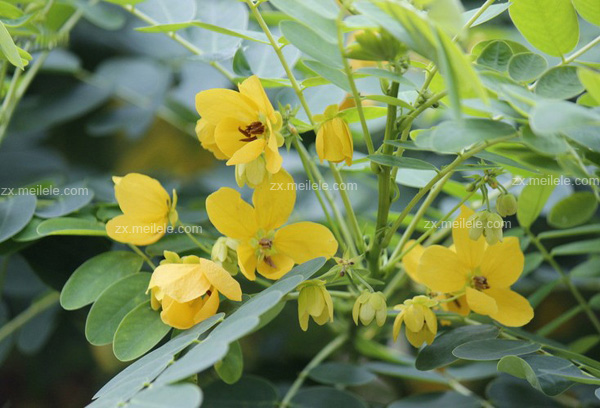
Benefit and Effect of Cassia Seeds Three: Treating Yin Deficiency and Blood Deficiency
For elderly people with yin deficiency and blood deficiency, cassia seeds also have a very good therapeutic effect. Cassia seeds can be brewed in water together with goji berries, rehmannia root and Hangzhou white chrysanthemum and taken. If the elderly person has symptoms of qi deficiency, sun-dried ginseng can also be added and steeped together. Drinking cassia seed tea is not only beneficial for smooth bowel movements, but also has multiple health care functions such as lowering blood pressure, improving eyesight and lowering blood lipids.
Culinary Uses of Cassia Seeds
1. Cassia Seed Green Tea: Brew cassia seeds together with green tea and drink. It has the effects of lowering blood lipids and blood pressure, moistening the intestines and promoting bowel movements, and improving eyesight.
2. Goji and Chrysanthemum Cassia Seed Tea: Brew cassia seeds, chrysanthemum flowers and goji berries together and drink. It has the effects of clearing liver heat and purging fire, and nourishing yin and improving eyesight.
3. Cassia Seed Honey Drink: Take crushed cassia seeds together with honey. It has the effects of moistening the intestines and promoting bowel movements, and treating habitual constipation.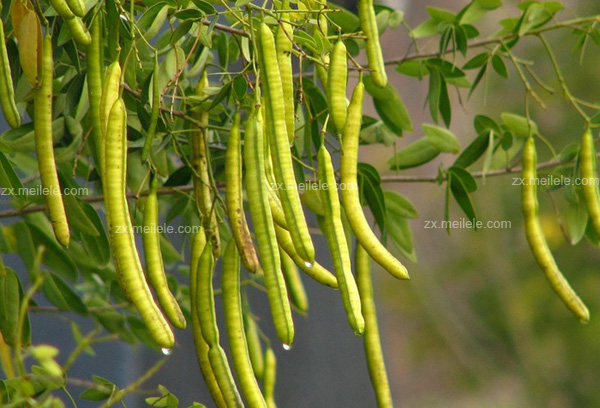
Conclusion: What are the benefits, effects and culinary uses of cassia seeds? After reading what we introduced above, do you already know now? Cassia seeds have many benefits, effects and culinary uses, but it should be noted that cassia seeds are cold and cool in nature, and have the effect of causing diarrhea and lowering blood pressure, so people with weak and cold spleen and stomach and those with low blood pressure should use them with caution.
[Related Links]:
⊙ Benefits of Pothos Flowers ⊙ The Symbolic Meaning of Lilies ⊙ How to Grow English Ivy ⊙ Benefits and Effects of Carnations
⊙ How to Grow White Orchid Magnolia ⊙ How to Grow Serissa japonica ⊙ What the Blue Enchantress Rose Represents ⊙ How Often to Water a Cactus
⊙ What Is Daylily ⊙ How to Grow Bougainvillea ⊙ How to Grow Clivia ⊙ Benefits and Effects of Rosemary