Amaryllis Growing Methods and Photo Appreciation
Common amaryllis cultivars include Red Lion, Hercules, Rilona, Crown of Flowers, Souvenir, and Minerva, with flowers mostly in deep red or orange. It mainly prefers a warm and humid climate, with an ideal growing temperature of 18-25°C, and dislikes intense sun exposure, so be careful not to let sunlight shine directly on it when growing.
In amaryllis growing methods, temperature and light require special attention. Amaryllis is not cold-tolerant and does not like high temperatures, so when growing it, pay attention to observing temperature changes. The temperature should not drop below 5°C at minimum. Maintain humidity but avoid direct sunlight, otherwise it will harm the plant.
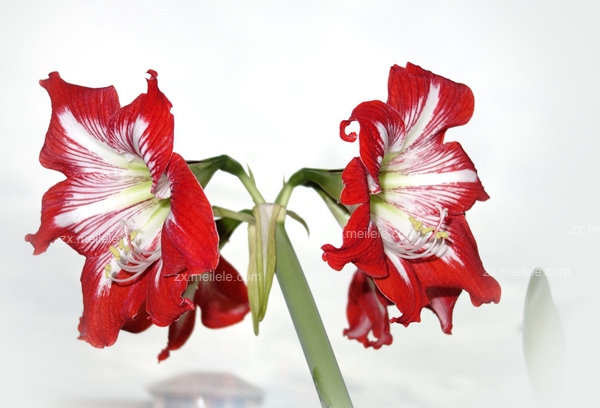
Amaryllis has no special requirements for soil when growing; it needs relatively fertile and loose soil. You can choose sandy soil with good drainage. Because amaryllis is mostly in a dormant state in winter, we need to note that after autumn the soil in the amaryllis pot can be kept as dry as possible, but do not let it become too dry, as this will cause the rhizome to wither.
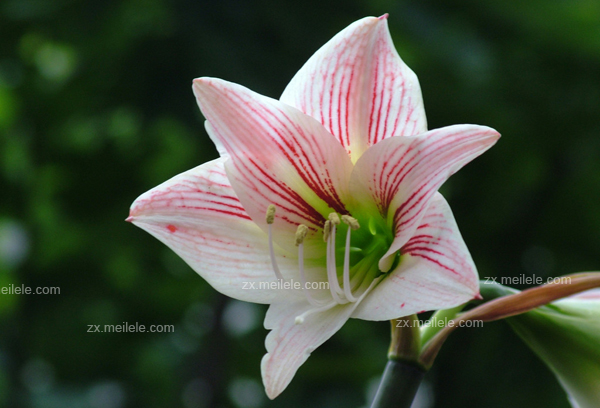
Amaryllis grows very quickly, so during its vigorous growing season, pay attention to repotting and changing the soil. Generally, amaryllis should be repotted after one year of growth. To promote blooming in the new year, you can change the soil for amaryllis in spring after 2 years of growing. Another problem that easily occurs because amaryllis grows quickly is that after about 2 years of growth, many small bulbs will grow out. At this time, you can divide them when repotting.
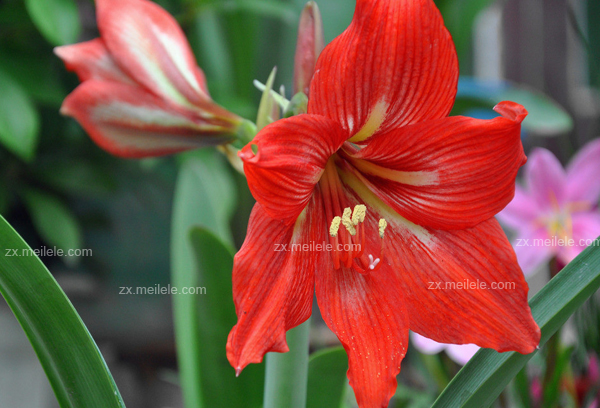
Fertilizing and pruning amaryllis: Amaryllis likes fertile soil. You can appropriately water it with phosphorus and potassium fertilizer once a month, and you can also apply fertilizer at the bottom of the pot when repotting. The main principle of fertilizing is small amounts but frequent applications, to promote the growth and blooming of amaryllis. Pruning amaryllis should be done at the same time as repotting and changing the soil. The main pruning of amaryllis is to cut off withered leaves, dead roots, and areas with pest damage, leaving only the vigorously growing leaves.
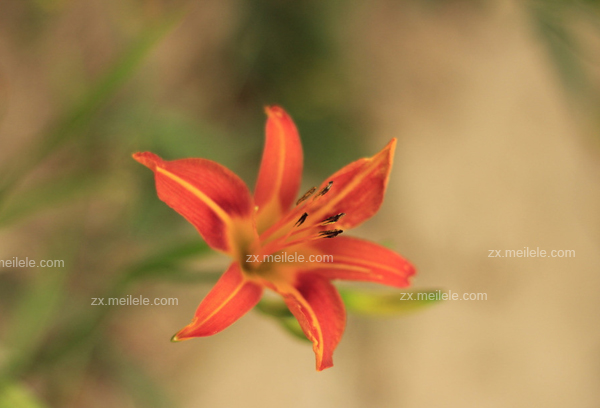
When amaryllis is dormant, note that watering must be strictly controlled, that is, just enough moisture to keep it from withering; pay close attention to temperature. Generally, plants have no resistance during dormancy, so at this time keep the indoor temperature at 10°C; for newly grown small bulbs, you can bury them in sandy soil. The dormant state of amaryllis can end around January, at which point you can water the flower thoroughly once to wake it from dormancy.
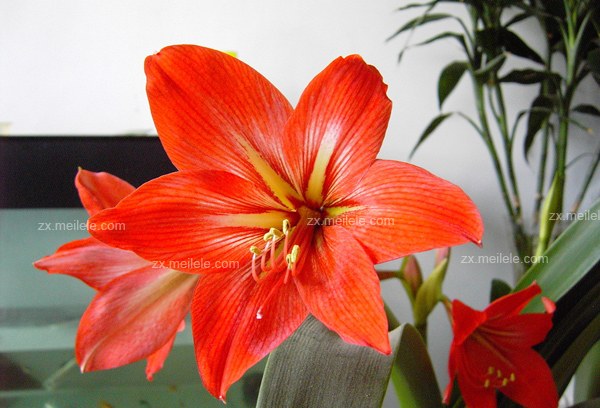
Growing flowers mostly requires us to carefully care for them and observe their changes. Growing amaryllis requires close attention to temperature and light, because these two have an important impact on its growth.
[More Information]
| What Does a White Rose Represent | What Plants Protect Against Computer Radiation | Succulents | Effects and Benefits of Osmanthus | Lavender Blooming Period |
| Golden Spider Plant | Azalea Growing Methods and Precautions | Indoor Foliage Plants | Boston Ivy | How to Fold a Lily | Osmanthus |
| Mimosa Growing Methods | How to Grow Succulents | Effects and Benefits of Jiaogulan | Effects and Benefits of Honeysuckle | Geranium |