Effective Ways to Avoid Herbicide Damage
There are many reasons why herbicide damage occurs. Below we list 4 of them, and then look at how to avoid herbicide damage.
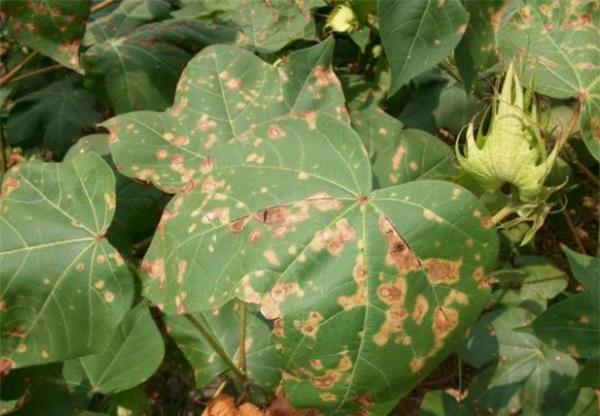
Reasons for Herbicide Damage
1. Improper use: Because herbicides are highly specific, a given herbicide is limited to a certain range of plant species. The range of use must not be arbitrarily expanded, and misuse must be avoided, otherwise ornamental plants will be harmed.
2. Improper timing: Herbicides have a certain safe application window for ornamental plants. For example, hormone-type herbicides such as naptalam are not only safe but also very effective when applied to gramineous lawn plants such as carpet grass, buffalo grass, zoysia grass and red fescue during the vegetative growth stage. However, applying them during the reproductive growth stage of gramineous lawn plants will seriously affect their growth and development and cause damage.
3. Improper dosage: Arbitrarily increasing the dosage may sometimes improve the weed control effect, but it will also harm ornamental plants. For example, with some highly effective herbicides such as fluazifop-p-butyl, increasing the dosage will markedly inhibit or even stop the growth of ornamental plants.
4. Using counterfeit or inferior products, improper operation, unreasonable mixing, and using spray equipment to spray pesticides without cleaning it thoroughly, etc., can all cause herbicide damage.
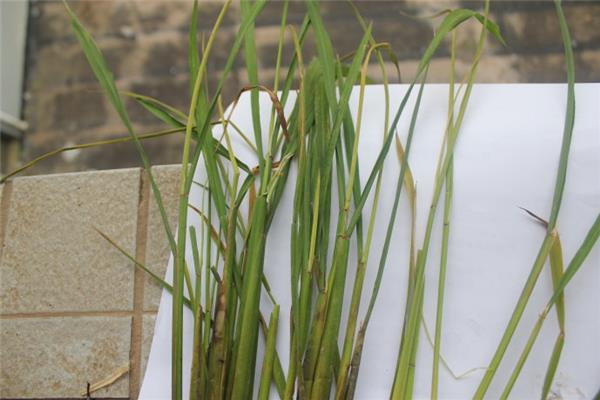
Herbicides That Affect Subsequent Crops
1. Quinclorac (quinclorac): After application, no crop other than rice can be planted within 300 days; eggplant and tobacco cannot be planted within 12 months; tomato and carrot cannot be planted within 2 years. In addition, umbelliferous crops such as carrot, celery and coriander are extremely sensitive to quinclorac, and water from rice fields where quinclorac has been applied must not be used to irrigate the above crops.
2. Chlorimuron-ethyl: It persists in the soil for a long time, and subsequent crops should not include sugar beet, rice, potato, cucurbits, vegetables, sorghum or cotton.
3. Metribuzin (metribuzin, metribuzin): According to experiments, after applying 420-1120 grams of active ingredient of metribuzin per hectare, alfalfa, wheat, barley, corn, potato, sweet potato, sugarcane, soybean and gramineous forage grasses can only be planted after 4 months; rice and cotton can only be planted after 8 months; other crops except root crops can only be planted after 12 months; and onion, sugar beet and other root crops can only be planted after 18 months. At present, the generally recommended dosage of metribuzin is 210-560 grams of active ingredient per hectare, and at this dosage it is generally safe for subsequent crops.
4. Clomazone: It is reported that after applying 560-1400 grams of active ingredient of clomazone per hectare, rice, cotton, corn, pepper, tobacco and cucurbitaceous crops can be planted 9 months after application, and all crops can be planted after 16 months. At present, the generally recommended dosage of clomazone is 480 grams of active ingredient per hectare. At this dosage, when mixed with other chemicals, it has no effect on subsequent crops, but re-spraying has a slight effect on wheat.
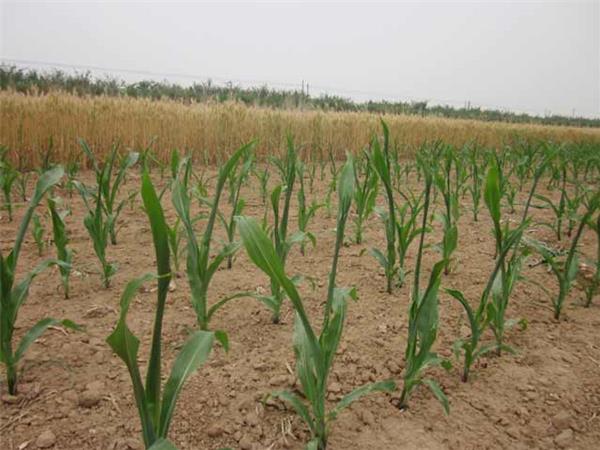
Precautions for Herbicide Use
1. Check the application equipment;
2. Do not blindly mix with other pesticides, and pay special attention that acidic pesticides must not be mixed with alkaline pesticides. However, selective mixing is possible; for example, acetochlor can be mixed with the suspension concentrate atrazine to expand the range of broadleaf weed control;
3. When the field lacks soil moisture, application should be postponed; when there is sufficient soil moisture, apply while the moisture is adequate;
4. Spray evenly, neither missing any area nor re-spraying;
5. When applying, pay attention to the wind direction so as not to affect crops in adjacent fields;
6. If rainfall washes away the applied chemical, re-spray;
7. Alternate the use of herbicides of the same type but different varieties; it is not advisable to continuously apply a single herbicide;
8. Strictly use according to the specified dosage; do not arbitrarily increase the concentration.
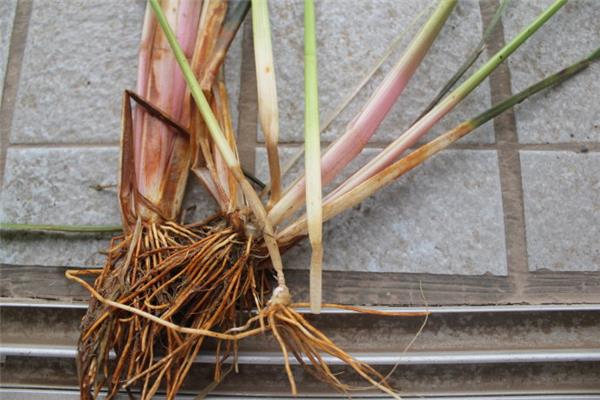
It seems that how to use herbicides scientifically and correctly is truly a field of study. In fact, what we want to say here is that for those who are not planting plants and crops on a large scale, it is still best to avoid using herbicides during weed control. Generally using manual methods to clear weeds is the best way to protect plants.