A Detailed Guide to the Cultivation and Care Methods and Uses of Dunn's Eucalyptus
Dunn's Eucalyptus looks especially like a tall, slender and handsome man, and it also has a great many uses. Let's learn about it below.
Introduction to Dunn's Eucalyptus
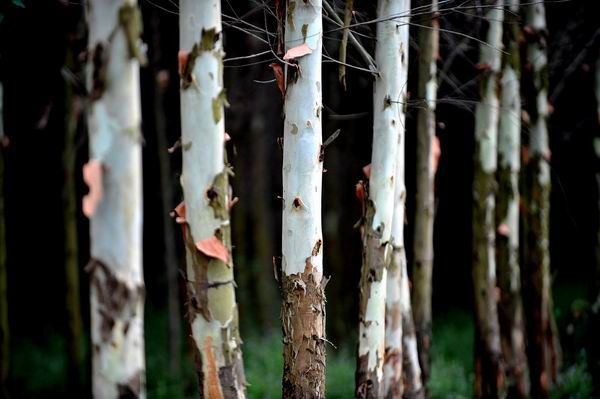
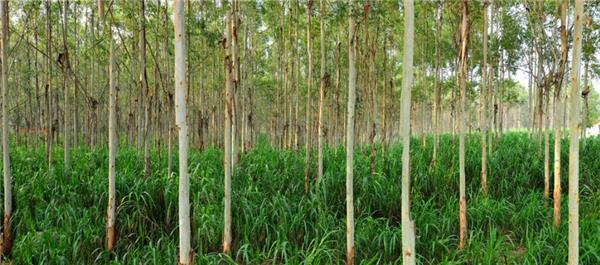
Morphological characteristics: The morphological characteristics are similar to those of the Sydney blue gum (Eucalyptus saligna) and the flooded gum (Eucalyptus grandis). The tree of Dunn's Eucalyptus is medium to large in size, and under open growing conditions its branches are large and dense. Young plants can reach up to 50 m tall, with a straight trunk, and the height to the first branch can reach 30-35 m. When cultivated as a plantation, the trunk straightness is even better than that of the flooded gum, and the branches are finer. The heartwood of the wood is light brownish-red, and the color of the sapwood is not noticeably different from the heartwood.
Distribution and habits: Dunn's Eucalyptus has relatively strong cold tolerance. The lowest temperature that seedlings and young trees can be counted on to endure is minus 5 degrees, and as the tree age increases, the cold tolerance also becomes stronger. Low temperatures with extreme temperatures above minus 5 degrees are safe for the seedlings, while temperatures beyond this range make them very sensitive; if the low temperature lasts only a short time, the temperature they can endure can be even lower; mature stands can endure even lower extreme low temperatures and for longer periods.
Uses and effects: The tree of Dunn's Eucalyptus is medium to large in size, and under open growing conditions its branches are large and dense. Its mature plants can reach up to 50 m tall, with a straight trunk, and the height to the first branch can reach 30-35 m. When cultivated as a plantation, its trunk straightness is even better than that of the flooded gum, and its branches are finer. The heartwood of its wood is light brownish-red, and the difference in color between the sapwood and the heartwood is not obvious. Its wood is medium and even in coarseness, with straight grain. The air-dried wood density of mature wood is about 800 kg/m3. Some of the wood of Dunn's Eucalyptus is used as sawn timber.
Cultivation and care of Dunn's Eucalyptus
Propagation methods: seed sowing, cuttings, tissue culture. Cultivation management is basically the same as for eucalyptus. Unfortunately, its vegetative propagation is also very difficult; whether by tissue culture or cuttings, the rooting rate is very low.
Growing environment: Dunn's Eucalyptus has relatively strict site requirements for growth, and its growth differences may be very large depending on site quality. It is generally believed that fertile soil and humid air on high hills and low mountains can better bring out its growth potential.
Temperature management: The cold tolerance of Dunn's Eucalyptus should be determined by at least 3 factors: tree age, extreme low temperature and duration of low temperature. The cold tolerance of young stands under 2 years old is clearly weaker than that of mature stands, but low temperatures lasting within 5 days with extreme temperatures above minus 5 degrees are safe for it, while temperatures beyond this range make it very sensitive; if the low temperature lasts only a short time, the temperature it can endure can be even lower; mature stands can endure even lower extreme low temperatures and for longer periods.
A detailed explanation of the uses of Dunn's Eucalyptus
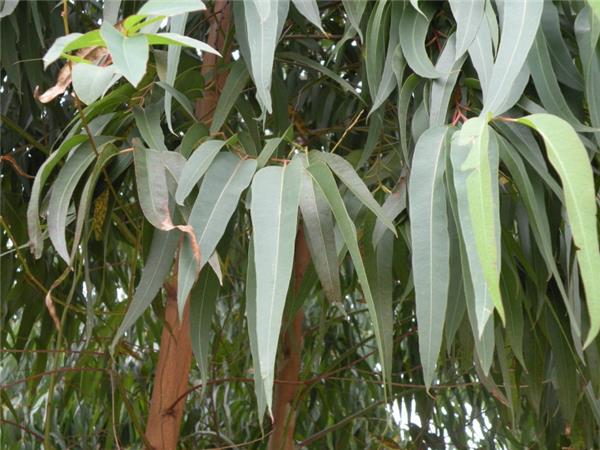
Wood uses: The density of Dunn's Eucalyptus as pulpwood is very ideal, because it not only ensures good pulping performance but also has a relatively high absolute value, so that the wood consumption per ton of pulp is relatively low. The wood density of Dunn's Eucalyptus is greater than that of the flooded gum, and its wood properties are overall superior to those of the flooded gum. Moreover, in terms of absolute values, its wood density is also relatively high among eucalyptus species.
Papermaking performance: In terms of fiber length, the fiber length of 4-year-old Dunn's Eucalyptus is 0.6 mm, and the fibers of Dunn's Eucalyptus are relatively long among all tree species, and the tensile strength and tear strength of its pulp are also the greatest; after being made into paper, the runnability, processability and adaptability of the paper are all better than those of other tree species. Therefore, from the perspective of pulping and papermaking, Dunn's Eucalyptus is a rare and excellent tree species among eucalyptus.
Other uses: The wood of Dunn's Eucalyptus is red, and the material is relatively good. In some places in Australia, Dunn's Eucalyptus has been successfully used as sawn timber and processed into solid wood. Their sawing and drying tests on Dunn's Eucalyptus plantations show that it is suitable for use as solid wood processing material.
The above is the complete introduction to Dunn's Eucalyptus. How do you grow it? Isn't this tree very impressive? With so many effects and uses, Dunn's Eucalyptus also has very high cultivation value. However, because it is relatively difficult to grow, everyone must be especially careful and meticulous when cultivating it.