What are the benefits and effects of mint leaves?
Because of the appearance of mint candy, everyone is fairly familiar with the taste of mint, but do you know about mint as a flowering plant? As for the benefits and effects of mint leaves, you probably may not know them, so let's take a look.
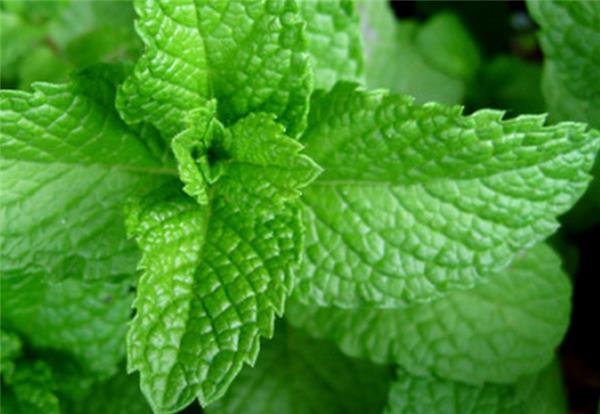
I. Benefits and effects of mint leaves
1. When we drink beverages containing mint, it can stimulate the brain, promote blood circulation and induce sweating, and can be used to relieve summer heat and fever.
2. Mint contains menthol and other components, which produce a cooling effect on human skin, so it can reduce inflammation and relieve pain, relieve itching and detoxify, and dispel wind-heat.
3. When mint is made into tea, it can strengthen the stomach and dispel wind, eliminate phlegm, promote gallbladder function and resist spasms, and improve symptoms such as cold and fever, sore throat and swelling, as well as skin itching, abdominal bloating, diarrhea, indigestion and constipation.
4. It can relieve headaches, promote metabolism, and has a therapeutic effect on inflammatory symptoms of the respiratory tract.
5. Lower blood pressure and nourish the heart.
6. Its cool aroma can also calm tense emotions, make body and mind joyful, and help with falling asleep.
7. Regularly eating foods made with mint leaves has a good protective effect on both the gallbladder and the liver, and can be used to treat gastric ulcers.
8. Mint leaves also contain anti-inflammatory agents, which have a remarkable effect on burns and scalds. They not only make people feel less burning and uncomfortable, but can also prevent inflammation from spreading.
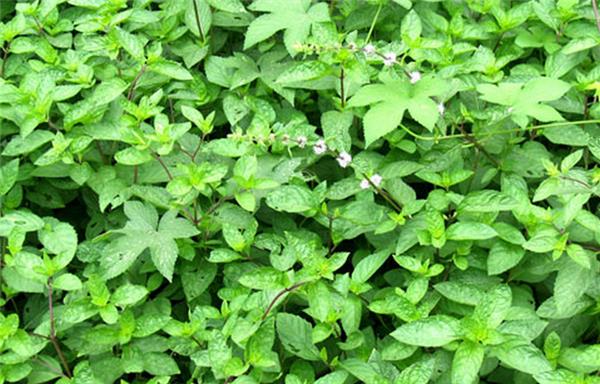
II. Notes on growing mint
1. Temperature: It prefers a warm climate. The rhizome sprouts and emerges at 5-6°C, and the most suitable temperature for growth is 20-30°C. It is cold-tolerant. Although the plant begins to wither and enter dormancy when the temperature drops to around 2°C, the underground stem can safely overwinter at 20-30°C, and in the 2nd year it can still sprout new branches and grow again from the rhizome.
2. Light: It prefers plenty of sunlight and is relatively shade-tolerant. Sufficient light is beneficial to the formation of aroma. If placed indoors, it should be moved to a sunny place for 1-2 days after 3 days of display, and then returned indoors.
3. It prefers a moist soil environment and is relatively moisture-tolerant. During the growth period, it should be watered adequately to keep the potting soil moist. But it dislikes waterlogging. If the potting soil is too wet, it will cause the plant to grow leggy, the leaves to become thinner, the root development to be poor, and the lower leaves to fall off, and it will also be prone to disease infection. After rain, promptly pour out the accumulated water in the pot. For regular watering, follow the principle of "do not water if not dry, and water thoroughly when watering." In winter, the plant enters dormancy, so watering should be reduced.
4. Fertilization: It likes fertilizer. In addition to applying organic fertilizer as a base fertilizer when potting, apply fertilizer once a month during the growth period, mainly nitrogen fertilizer, with an appropriate application of phosphorus and potassium fertilizer. If branches and leaves need to be harvested during the growth period, topdressing should be carried out at the time of harvesting to promote the plant's recovery to a good plant shape.
5. Pruning: Once every spring, carry out a pruning together with repotting to promote the growth of branches and leaves. If the plant's growth vigor is not strong, renewal pruning is needed to restore the plant to strong growth. During the growing season, if the stems are too tall and affect the ornamental appearance, pinching can be done, or a paclobutrazol solution can be sprayed on the leaves to control the height.
III. Dietary contraindications for mint
1. People with yin deficiency and blood dryness, hyperactivity of liver yang, or exterior deficiency with excessive sweating should avoid taking mint leaves.
2. Women during pregnancy should avoid using it. Also, because mint has the effect of inhibiting milk secretion, women who are breastfeeding should not use it much either; and because mint is aromatic, pungent and dispersing, patients with lung deficiency cough or yin deficiency fever with excessive sweating should also use it with caution. In addition, the components of mint easily volatilize and become ineffective when heated, so it is best to add it after the water has come to a boil. And because it has a refreshing and stimulating effect, it should not be drunk too much at night, so as not to cause sleep problems.
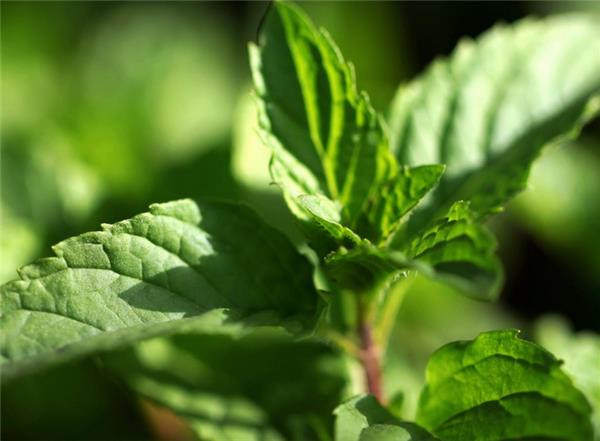
The above has given an understanding of the benefits and effects of mint leaves, and by the way also provided a deeper understanding of mint as a plant, increasing everyone's knowledge of mint and letting mint's advantages show in home decorating.