How to grow potted thornless Chinese holly and things to note
The thornless Chinese holly is a fairly typical tree species that combines both foliage and fruit ornamental effects, so its ornamental value is of course beyond doubt.
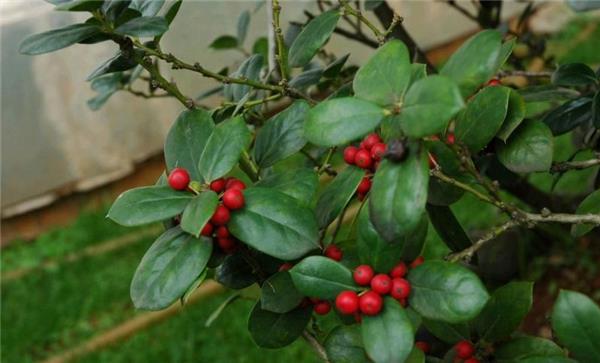
Introduction to the thornless Chinese holly
Morphological characteristics: It is a natural variety of the holly genus Ilex cornuta, an evergreen shrub or small tree. The tree has luxuriant branches and leaves, peculiar leaf shapes, and a deep green glossy color. The crown is round and neat. From April to May it bears small yellow-green flowers, and the drupe is spherical, initially green and turning red when ripe in autumn, with the whole branch laden with abundant fruit, bright and eye-catching, remaining on the tree through winter until the following spring. Through pruning and shaping it can be made into a large tree form, spherical form, and tree-form bonsai. It is a good ornamental tree species for fruit, foliage and form.
Growth habits: It likes light, warmth, humidity and well-drained acidic and slightly alkaline soil, has strong resistance, and tolerates pruning. At temperatures of minus 8-10°C, it grows well. It has strong adaptability, is most suitable for growing in the Yangtze River basin, and tolerates pruning.
Garden uses: Evergreen in all four seasons, with glossy leaves. In landscaping it can be pruned into spherical shrubs or small trees.
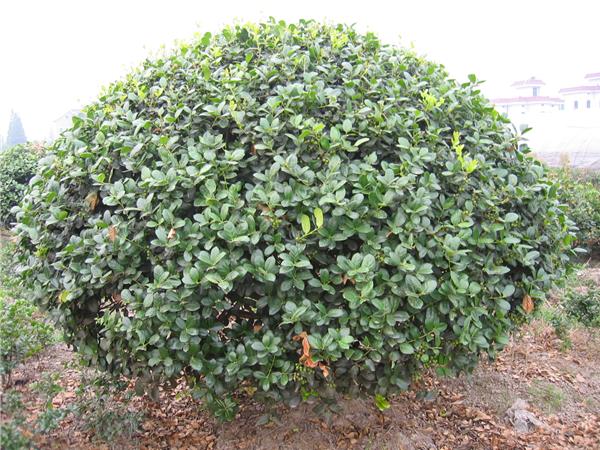
Cultivation and care of potted thornless Chinese holly
Pot soil: It is suitable to choose a glazed ceramic pot or purple clay ceramic pot with a diameter of 30-40 cm. Chinese holly likes fertile, well-drained slightly acidic soil or neutral soil; when planted in alkaline soil, it grows poorly. It fears waterlogging and is relatively drought-tolerant. The pot soil should be loose, well aerated, good at retaining water, high in organic matter, and good at retaining fertilizer. It can be mixed in the ratio of garden soil:peat:sand=4:3:3. An appropriate amount of organic fertilizer and ferrous sulfate can also be added to the nutrient soil.
Watering: Usually the pot soil should be kept somewhat moist. In spring it is suitable to water once every 1-2 days. During the vigorous growth period in summer, water frequently, once a day, and spray water on the leaves and surroundings every day to reduce evaporation and help lower the temperature. The thornless Chinese holly fears water accumulation and is drought-tolerant. To avoid root rot caused by water accumulation, generally keep the pot soil moist but without standing water. In autumn reduce the amount of watering, watering once every 1-2 days. In winter, when it is brought indoors to overwinter, water once every 7 days.
Fertilizing: Generally in spring apply a thin cake fertilizer water once every 2 weeks, in autumn apply a topdressing once a month, in summer no fertilizer is needed, and in winter apply fertilizer once.
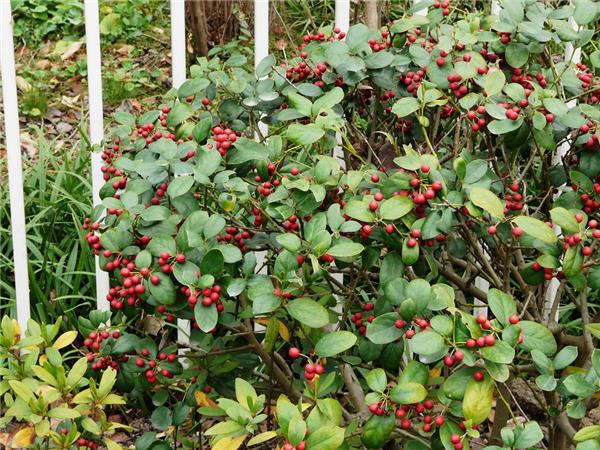
Repotting: Thornless Chinese holly bonsai is usually repotted once every 2-3 years, often carried out in spring from February to March, or after autumn when the tree enters its dormant period. When repotting, some old roots can be trimmed away, sufficient base fertilizer applied, 1/2 of the old soil retained, and the plant put back into the pot.
Pruning: The thornless Chinese holly has very strong sprouting ability and tolerates pruning very well. For finished display pieces, unnecessary leggy branches, sprouting branches and surplus buds can be cut away at ordinary times to maintain a certain tree shape. For tree material that needs processing, a certain number of branches can be retained as needed to facilitate processing and shaping.
Pest and disease control: Sometimes the branches develop sooty mold caused by psyllids. When scale insects are occasionally seen causing damage, spraying with lead arsenate can kill them.
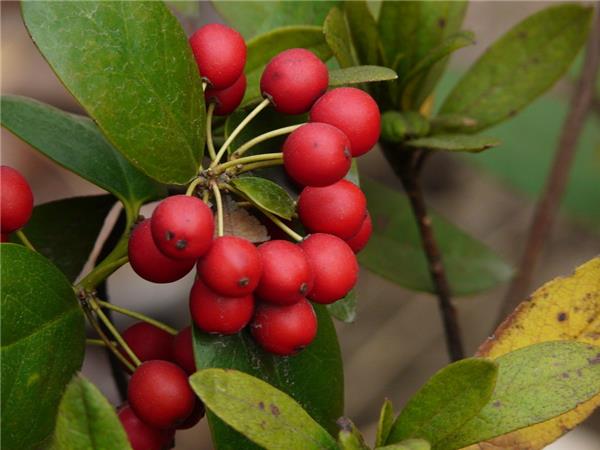
Growing a pot of thornless Chinese holly at home can not only beautify the room, but also effectively purify the indoor air. It is a tree species that can help us protect our health.