Is Cuban oregano (Plectranthus amboinicus) toxic? A detailed introduction to the toxicity of Cuban oregano
Cuban oregano is a shrub-like herbaceous plant, often placed indoors. When we get close to it, we smell a faint, subtle apple fragrance. However, some people believe that Cuban oregano is a toxic plant. Regarding this question, the editor will answer it for everyone below.
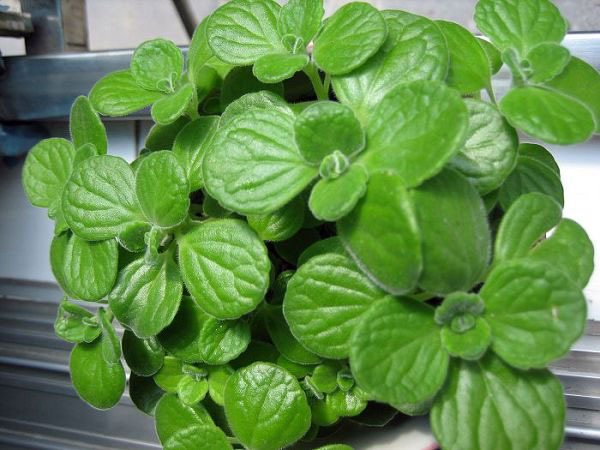
Is Cuban oregano toxic?
Cuban oregano is non-toxic and also has certain medicinal value. Medicinal effects: blended into juice with honey and eaten raw, it relieves sore throat; made into a tea drink, it can relieve gastrointestinal bloating; for colds, after being mashed and applied externally, it can reduce inflammation and swelling and can also care for the skin, but it seems to have no insect-repellent effect. However, it has anti-inflammatory and swelling-reducing effects. It can also be used in cooking: suitable for making soup, stir-frying, and serving cold with dressing.
Why does Cuban oregano become fragrant only when touched?
The reason Cuban oregano gives off fragrance is similar to the principle behind the mimosa's "shyness." When its leaves are stimulated by touch, the water within the cells reacts, causing the turgor pressure of the leaf cushion to change. Unlike the mimosa, the leaves of Cuban oregano do not contract under turgor pressure; instead, the stomata inside used for ventilation expand, and a volatile substance with an apple scent diffuses through the stomata into the air. In fact, Cuban oregano also gives off a faint fragrance at ordinary times, but this fragrance is relatively light and not easily noticed by people. When its leaves are touched, this fragrance becomes stronger, so people feel that it becomes fragrant as soon as it is touched.
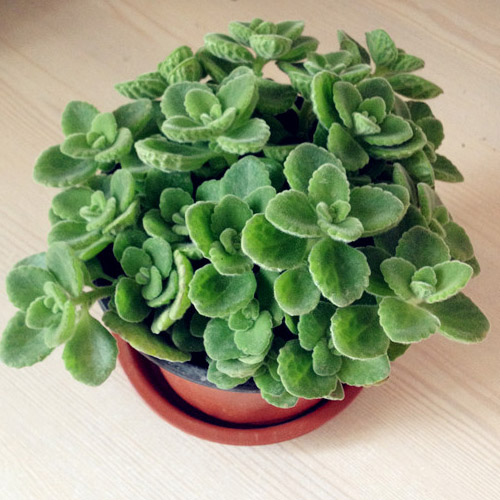
Cuban oregano cultivation method - soil: Cuban oregano's requirement for soil is that it be loose and well-draining. This is because hard soil will lock in water, and Cuban oregano is a plant that cannot tolerate waterlogging. For it, this is one of the factors that leads to root rot.
Environment: Cuban oregano can tolerate shade, but it cannot survive in a cold environment. Therefore, when cultivating it in winter, it is best to do so in a greenhouse, with the temperature maintained at 5-10°C. It is naturally fond of sunlight and should be given sufficient light in daily care.
Fertilization: Cuban oregano is not tolerant of fertilizer, so the frequency of fertilization should not be too frequent. Generally speaking, fertilizing once a month is sufficient. The fertilizer applied should mainly be phosphorus and potassium fertilizer, combined with a small amount of nitrogen fertilizer.
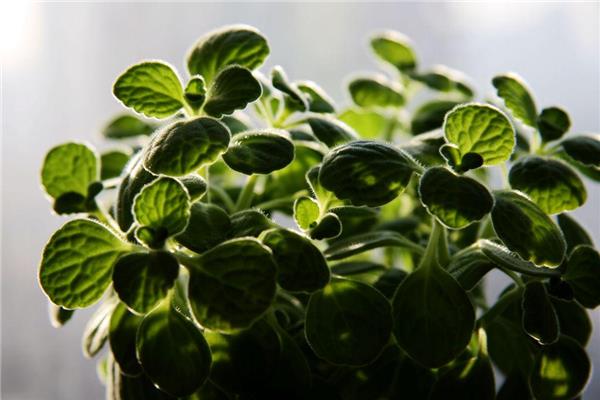
Uses of Cuban oregano
Cuban oregano is a plant in the Lamiaceae family, genus Plectranthus, and the lovely name "Cuban oregano" comes from its ability to release a unique fragrance after being touched. In this respect, it is similar to the mimosa, being able to respond to external conditions. The scent given off by Cuban oregano resembles an apple fragrance, so it is also called "apple scent."
The greatest use of Cuban oregano is that its fragrance can make people feel refreshed and invigorated. Placed indoors, it can even fill the room with fragrance. The leaves of Cuban oregano can be used to make tea and infuse liquor, making the liquor more mellow and the tea fragrance richer. In summer, Cuban oregano can also have effects such as repelling mosquitoes and relieving summer heat.
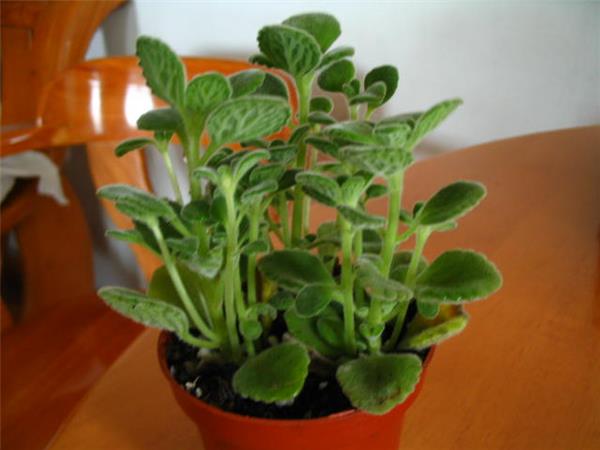
That is all for now on whether Cuban oregano is toxic. I hope the above content can help you better understand this question. Please look forward to more wonderful content.