Verbena Flower Language and Cultivation Methods Explained in Detail
Different flowers have different cultivation methods. Perhaps a certain method suits one plant, but may not work for another. There are quite a few varieties of verbena. Next, let us learn together about the flower language of verbena and related cultivation methods, so you can better understand verbena!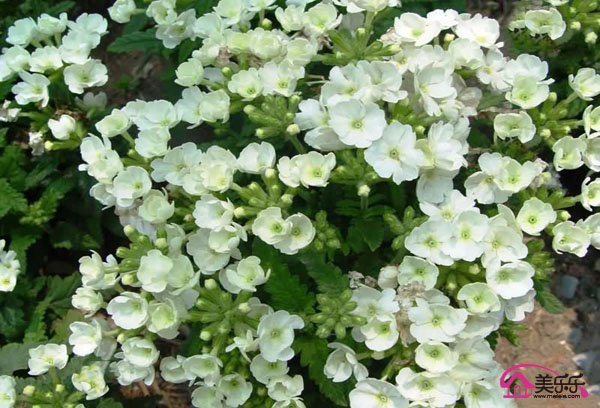
Verbena Flower Language
Flower language: It carries the meanings of "harmony and joy," "working together in unison," and "a harmonious family brings prosperity in all things," but different colors represent different meanings.
White verbena - "Please pray for me" Red verbena - "Working together in unison"
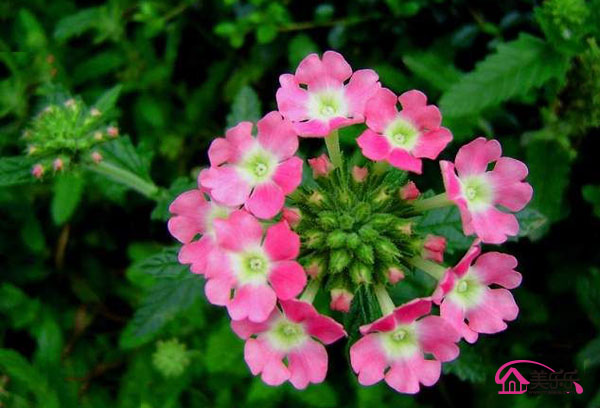
Pink verbena - "A harmonious family brings prosperity in all things" Purple verbena - "Superstition"
Verbena Cultivation Methods
Cultivation Methods
If verbena is used for flowerbed cultivation, it should be planted early, and spent flowers should be cut off promptly after blooming, which can extend the flowering period. Apply fertilizer and water appropriately, cultivate and weed in time, and drain water promptly during the rainy season. To cultivate verbena, choose loose, fertile soil with good drainage. Because verbena's root system is relatively shallow, attention should be paid to watering in summer to prevent drought, and a thin fertilizer should be applied once every half month.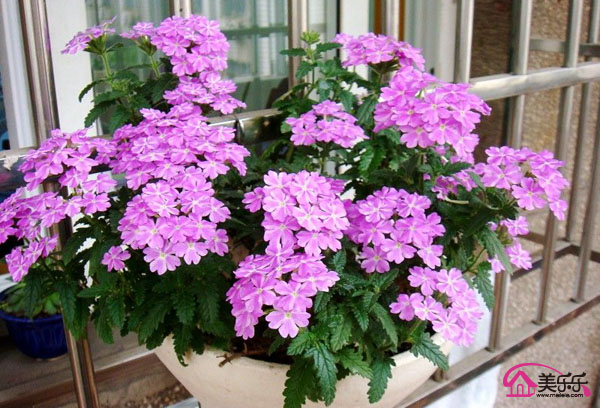
During the maintenance period, water should not be too much, but it should not be too little either. Too much water will cause the stems and branches to become slender and leggy, with very few flowers; if fertilizer and water are lacking, the plant will grow poorly and tend to set seed early. Vigorous plants have strong resistance to pests and diseases, and pests and diseases rarely occur.
The seedlings to be planted should not be too large, to avoid lateral branches growing sideways and leaves dropping. The spacing between verbena plants is generally about 40cm. Pinch early to promote secondary branches. After flowering, cut off the flower heads, water frequently in summer, and apply 1-2 times of liquid fertilizer as a top dressing. In the Jiangnan region, overwintering flower plants only need to keep the underground part in the soil to overwinter, and the following year use new branches for cuttings or division propagation. For seed collection, harvest the plant clump once, dry it in the sun, and thresh the seeds.
Pot Cultivation Techniques
I. Pot Soil Selection
For potted verbena, the substrate should preferably be loose, fertile culture soil with good drainage. Before planting, apply decomposed organic fertilizer and some superphosphate at the bottom of the pot as base fertilizer.
II. Watering and Fertilizing
Since verbena likes fertilizer and moisture, in addition to base fertilizer, a thin liquid fertilizer needs to be applied monthly during the growing period. Moreover, the pot soil for planting verbena should be kept moist, but watering should not be too frequent, otherwise it will cause the basal leaves to grow leggy or wither, affecting bud formation and flowering. In winter, the pot soil should preferably be on the drier side.
III. Pinching and Pruning
When the seedlings grow to 10 cm high, they need to be pinched, which can promote the sprouting of lateral branches and keep the plant compact. At the same time, in order to keep flowering continuously, spent flowers should be cut off promptly after each bloom, and water and fertilizer management should be strengthened so as to produce new branches and flowers again.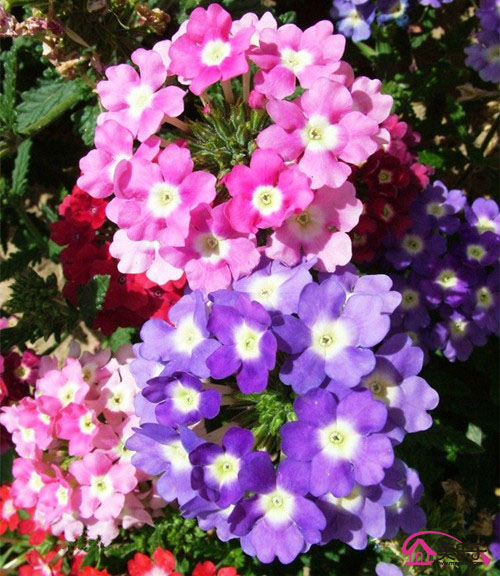
IV. Light and Rejuvenation
Verbena is a light-loving plant, and during the growing period it should be placed in a sunny spot for cultivation. Before Frost's Descent, it should be moved to a sunny spot indoors. The mother plant tends to age, so it needs to be renewed once every 2 years.
Summary: The above is an introduction to the flower language of verbena, as well as a certain explanation of verbena cultivation methods. We hope you can understand it. Friends who like growing verbena can use it as a reference. The above information is not comprehensive enough, and we hope you can understand.
More Information
| What does a white rose represent | What plants protect against computer radiation | Geranium | Rhododendron cultivation methods and precautions | Golden Spider Plant |
| Lavender flowering period | Indoor foliage plants | Boston ivy | How to fold a lily | Mint's effects and functions | Mimosa cultivation methods |
| How to grow succulents | Osmanthus | Gynostemma's effects and functions | Handmade roses | Honeysuckle's effects and functions | Kumquat |