Detailed Guide to Balloon Flower Cultivation Techniques, Helping You Master How to Grow Balloon Flowers
Since balloon flower has so many beneficial effects, friends who love planting trees and growing flowers may as well learn together how to grow it. Below, follow the editor to take a look at its cultivation methods. Before that, of course, we should first see what balloon flower looks like.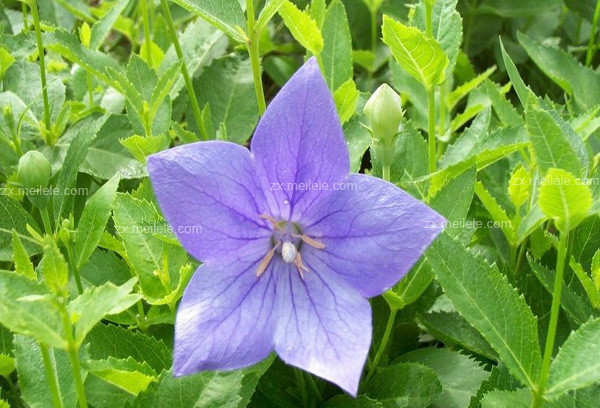
Cultivation Methods of Balloon Flower
Soil Selection
Balloon flower likes light and prefers a mild, warm and cool climate, so you should choose a sunny spot as much as possible, which helps balloon flower carry out photosynthesis. However, when balloon flower is still a seedling, it should not be exposed to strong sun. At the same time, balloon flower is drought-resistant, tolerates severe cold, and fears wind damage, so soil selection should lean toward soil with deep layers, good drainage and a loose texture. It is worth noting that too much soil moisture will cause the roots of balloon flower to rot. Now that the soil has been chosen, let's go on to see how to plant it.
Cultivation Steps
1. Sowing: After the soil is chosen, begin sowing. Sowing can be done in winter or spring. First mix the seeds evenly with fine sand and scatter them on fertilized soil, then lightly sweep over them with a small broom to bury the seeds. Generally, after fifteen days the seedlings will come up.
2. Transplanting: After the seedlings come up, they need to be transplanted. When planting, dig a hole in the prepared land and plant the balloon flower seedlings in it. When the seedlings grow 4 leaves, remove the weak seedlings. At the same time, loosen the soil when the climate is suitable. During the rest of the growing period, just remove pests and hoe weeds.
3. Flower removal: When the flowering period of balloon flower reaches four months, part of the flowers must be removed, because blooming consumes a large amount of nutrients and also easily grows side branches, so removing flowers is the guarantee for increasing balloon flower yield.
4. Pest prevention: When gray powder appears on the leaves, pay attention, as this is a symptom of powdery mildew. But there is no need to worry; just spray with baifenjing. When insects are found, spraying with insecticide will take care of it.
After that, just wait for the beautiful balloon flowers to grow. Isn't it simple? Let's try it at home.
Speaking of balloon flower, we cannot fail to mention its medicinal value. As mentioned earlier, besides being ornamental, balloon flower can also be used as medicine. So what exactly is its medicinal value? Let the editor tell you. The dried root of balloon flower tastes bitter and is slightly warm in nature. It can dispel phlegm and relieve cough, and also has the effects of dispersing lung qi and discharging pus. It mainly treats cough with abundant phlegm, sore and swollen throat, chest tightness and poor breathing, and sores in the mouth and tongue. However, those with yin deficiency should not take it.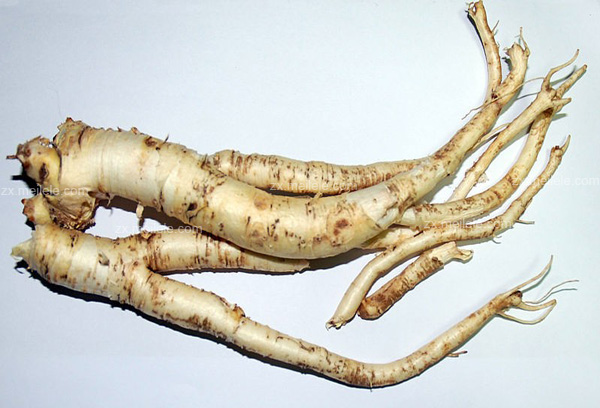
Summary: After reading the above cultivation methods of balloon flower, do you know how to grow balloon flower? Here the editor will also share a piece of knowledge with everyone, and that is the flower language of balloon flower. It symbolizes eternal and unchanging love as well as sincerity and gentleness. If you give balloon flowers you grew yourself to your loved one, wouldn't that be more memorable than buying them from a flower shop?
More Information
| What Does a White Rose Represent | What Plants Protect Against Computer Radiation | Geranium | Cultivation Methods and Precautions for Azalea | Golden Heart Spider Plant |
| Lavender Blooming Period | Indoor Foliage Plants | Boston Ivy | How to Fold a Lily | Effects and Functions of Mint | Cultivation Methods for Sensitive Plant |
| How to Grow Succulents | Osmanthus | Effects and Functions of Jiaogulan | Handmade Roses | Effects and Functions of Honeysuckle | Kumquat |