Lily of the Valley Cultivation Methods and Photo Appreciation
Different plants have different cultivation methods, and this is especially clear in the details. Many plants have different requirements for light, water, and soil, and lily of the valley is no exception. Next, let's take a look at the cultivation methods for lily of the valley together, and also enjoy some beautiful photos of lily of the valley!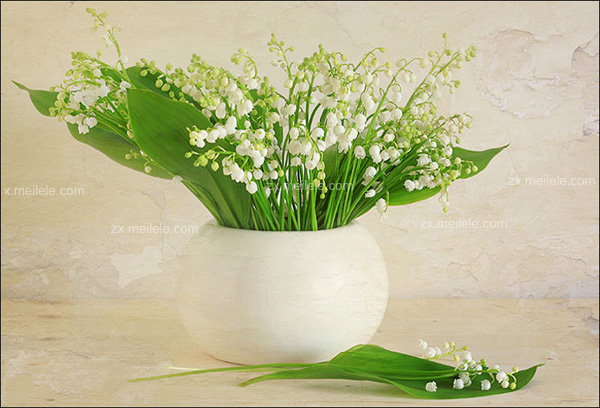
Key Points for Cultivating Lily of the Valley
Propagate by dividing the rhizome and the small bulbs at the ends of the rhizome. This can be done in spring or autumn, but November is best. There are buds of various sizes on the rhizome. After the aboveground part withers in autumn, dig up the rhizome, cut off each terminal bud with a section of rhizome, and plant it to form a new plant.
After division, the plump buds can bloom the following spring, while the smaller ones need to wait 1 year before blooming. In autumn, wash the seeds out of the red ripe berries and sow them directly in an open seedbed; they will sprout the following spring.
Lily of the valley is a plant that likes semi-shade, moist, and cool environments, is cold-tolerant, and dislikes heat. As long as there is suitable shady conditions, it will spread rapidly by spreading rhizomes. Shade and moist, fertile soil are important conditions for successful planting. Soil containing humus and sandy soil is ideal; this kind of soil is both fertile and well-drained.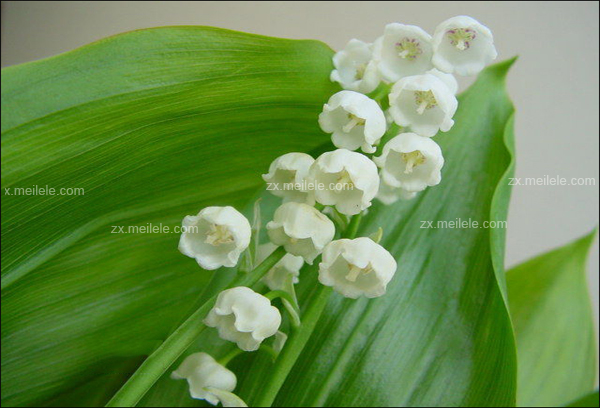
Often in spring and autumn, divide the rhizomes or cut the sprouts into sections and plant them separately for propagation by division. A deeply plowed, fertile soil is best for the planting site. After 3 to 4 years, change to another site and replant, or rotate with other flowers.
During the growing period, keep the soil loose and moist for lily of the valley. Apply fully fermented topdressing once each in early spring and late autumn. After 10 to 15 days, gradually move it toward the light, raise the room temperature to 20°C and the bottom temperature to 22°C, and increase watering and topdressing. After 3 weeks, it can bloom.
When planting, cover with more than 5 cm of soil, and water thoroughly after planting. After sprouting in spring, apply topdressing once every 15 days. Pay attention to watering during drought. After the flower stems emerge, stop fertilizing; after the flowers fade, promptly cut off the flower stalks, then apply topdressing 1 to 2 more times. In late autumn, after the aboveground part withers, cover with leaf mold and cow manure to protect the rhizome and its dormant buds for overwintering in the open ground.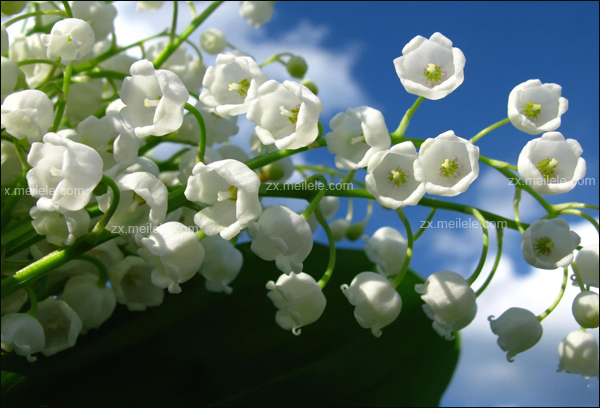
For ground planting, divide and replant once every 3 to 4 years. For pot cultivation, mostly choose plump and large rhizome buds, plant 4 to 5 buds per pot, and repot once a year. For forcing cultivation: plant rhizomes that have undergone low-temperature treatment, maintain the temperature at about 18 to 20°C throughout the cultivation period, pay attention to fertilizer and water management, and keep the soil moist. It can bloom in about one month. It is harmed by brown spot disease; spray with 75% chlorothalonil wettable powder at 700 times dilution.
Carry out division propagation once every 2 to 3 years. In late autumn, after the aboveground part of the plant withers, dig up the young buds at the ends of the rhizomes and plant them by division. After division, large young buds bloom the following spring, while small ones bloom after an interval of a year.
The top of the underground rhizome of lily of the valley has flower buds and leaf buds. For the first division, it is best to leave 4 to 6 buds, including both flower buds and leaves, with each section bearing 4 to 6 buds. Apply some plant ash or sulfur powder to the wounds, and cover the holes with about 5 cm of soil.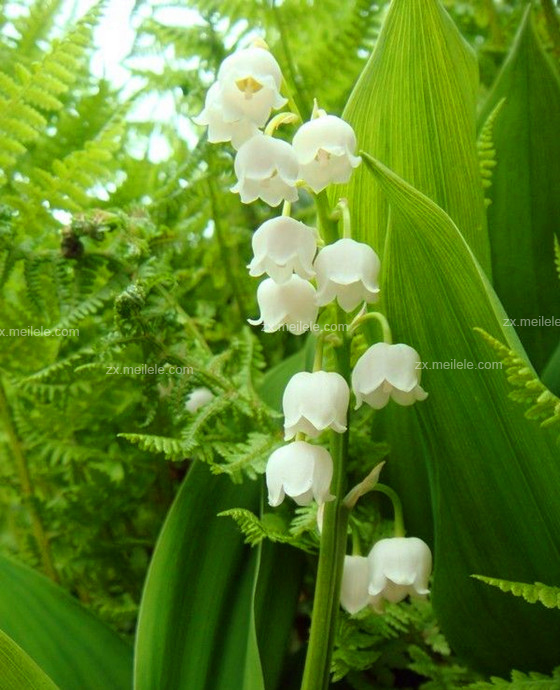
If breeding or introducing from a distant place, seed propagation can be used: sow in autumn and sprout the following spring.
To manage lily of the valley, apply sufficient base fertilizer. After sprouting in spring, water with diluted decomposed cake fertilizer once every 7 to 10 days. When flower stalks appear, after the flowers fade, and after autumn, apply liquid fertilizer once each. After blooming, it is best to cut off the stems and branches early so that nutrients are concentrated and supplied to the rhizome. When overwintering in the open ground, cover the ground with grass or fine soil to prevent freezing.
For pot cultivation, dig out rhizomes with buds in November and store them at 3°C to 5°C for 14 to 21 days, then take them out and plant them in pots, but do not let them see light. Keep the temperature at 12 to 14°C. Only after the young buds emerge from the soil should they be exposed to light, and at this time control the temperature between 20 and 22°C.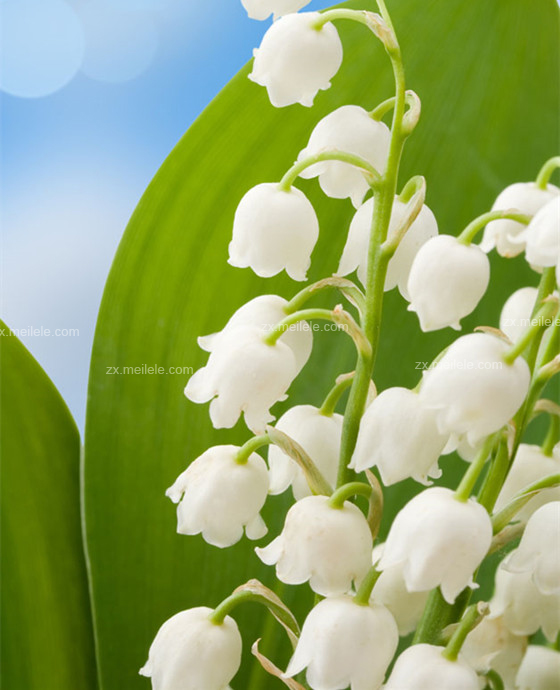
Then water and apply topdressing appropriately. With proper cultivation, they can bloom afterward. If low temperature and dark treatment are not given in advance, the leaves often grow unevenly and the flower stems fail to sprout.
Lily of the valley is vigorous by nature and easy to manage. If decomposed cake fertilizer is applied frequently after sprouting in spring, it will bloom abundantly. Stop fertilizing after the flower stems emerge, and resume fertilizing 1 to 2 times after the flowers fade to promote new tillers from the rhizome.
Generally, propagation is done by dividing the rhizome. In autumn, cut the mother plant's bud-bearing rhizome into sections and plant them, and with careful care they will survive. The sprouts growing from the base can also be cut off and planted separately, but the propagation rate is relatively low.
Summary: The above is an introduction to the key points of cultivating lily of the valley. It is not only about starting from soil, fertilizing, and other aspects, but also from every detail. Different plants have different requirements for the environment, and everyone should pay attention to this issue.
More Information
| What does a white rose represent | What plants protect against computer radiation | Geranium | Gardenia cultivation methods and precautions | Golden Spider Plant |
| Lavender flowering period | Indoor foliage plants | Boston ivy | How to fold a lily | Mint benefits and effects | Mimosa cultivation methods |
| How to grow succulents | Osmanthus | Gynostemma benefits and effects | Handmade roses | Honeysuckle benefits and effects | Kumquat |