What are the cultivation methods for the peace lily?
The peace lily is a common flowering plant used in offices or at home. Its scientific name is Spathiphyllum, and because it looks like a sailing boat, it is also called the peace lily to convey a beautiful meaning. So how do you grow this peace lily with such a beautiful meaning? And what are the cultivation methods for the peace lily?
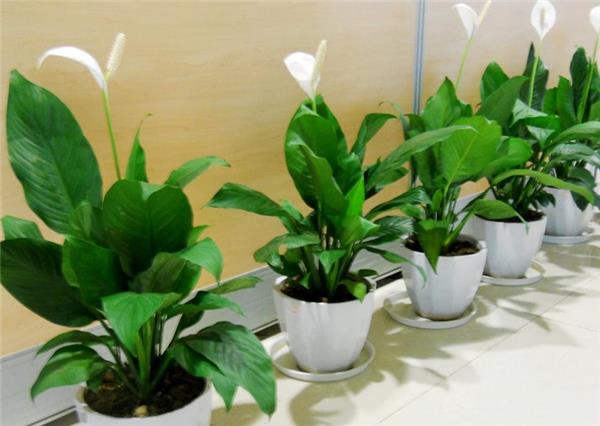
I. Cultivation methods for the peace lily
The peace lily is a heat-loving species and should be cultivated in a high-temperature greenhouse. The most suitable daytime and nighttime temperature for Spathiphyllum is 20°C-21°C, and it should not exceed 24°C at most. If the daytime temperature is relatively high, the nighttime temperature can be appropriately lowered as compensation. For example, if the daytime temperature is 27°C for 6 hours, then at night the temperature should be kept at 9°C for 6 hours. Other situations can be handled in the same way. Pay special attention that if the peace lily is kept in a low-temperature state for a long time, it is prone to leaf drop or a scorched-yellow appearance.
Water management: The peace lily likes a humid environment. The substrate must always be kept moist, and you cannot wait until the substrate is completely dry before watering. The "water when dry, stop when wet" method of water management is not suitable for the peace lily, and it also increases the chance of root infection, which is not conducive to growth. The best watering method is overhead spraying, but the seedbed must have good drainage. The EC value of the spray water should not exceed 0.8 mS/cm at most, otherwise it is unfavorable for crop growth.
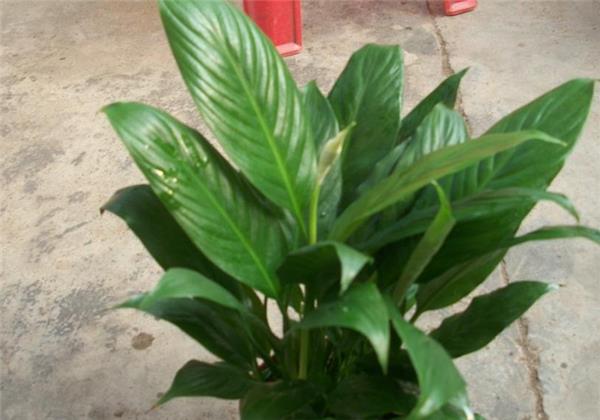
II. Precautions for cultivating the peace lily
Substrate selection: Spathiphyllum needs loose potting soil with good drainage and air permeability. Before obtaining high-quality seedlings, the cultivation substrate should be prepared. The substrate can be ordinary Northeast peat or imported German peat, but in either case 15%-20% perlite must be added and stirred evenly. Choose large-particle perlite, and at the same time be careful not to crush the perlite as much as possible. The prepared substrate should have an EC value of about 0.7 mS/cm and a pH value maintained at about 5.5.
Temperature control: Spathiphyllum is a heat-loving species and should be cultivated in a high-temperature greenhouse. The most suitable daytime and nighttime temperature for Spathiphyllum is 20°C-21°C, and it should not exceed 24°C at most. If the daytime temperature is relatively high, the nighttime temperature can be appropriately lowered as compensation. For example, if the daytime temperature is 27°C for 6 hours, then at night the temperature should be kept at 9°C for 6 hours. Other situations can be handled in the same way. Pay special attention that if Spathiphyllum is kept in a low-temperature state for a long time, it is prone to leaf drop or a scorched-yellow appearance.
Water management: Spathiphyllum likes a humid environment. The substrate must always be kept moist, and you cannot wait until the substrate is completely dry before watering. The "water when dry, stop when wet" method of water management is not suitable for Spathiphyllum, and it also increases the chance of root infection, which is not conducive to growth. The best watering method is overhead spraying, but the seedbed must have good drainage. The EC value of the spray water should not exceed 0.8 mS/cm at most, otherwise it is unfavorable for crop growth.
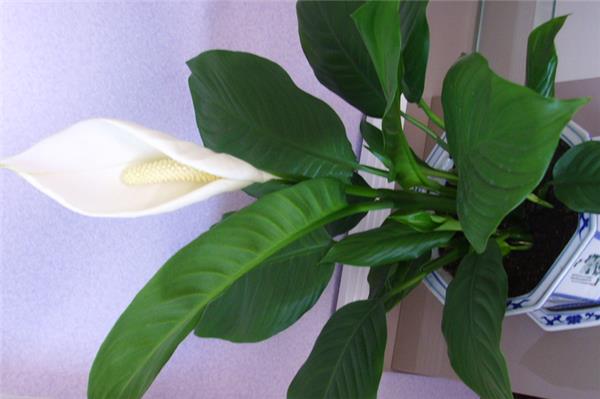
III. Care of the peace lily
1. Light as a cultivation method for the peace lily: The peace lily is shade-tolerant and suitable for growing in a semi-shaded environment. Direct sunlight must be avoided. If it is placed under strong light, the leaf surface will turn yellow and it may even be directly sunburned. According to experiments, about 60% scattered light can meet the growth needs of the peace lily, so it can be kept year-round indoors in a place with bright scattered light.
2. Temperature as a cultivation method for the peace lily: The peace lily likes high temperatures and is especially afraid of cold. The most suitable growth temperature is 20-28°C. Once winter arrives, it must be brought indoors. The lowest temperature it can endure is 10 degrees, so special attention is needed in winter. If the peace lily is kept at low temperature for a long time, it will cause root rot, leaf drop or scorched yellowing, and in severe cases may even lead to death.
3. Watering as a cultivation method for the peace lily: The peace lily has a relatively high demand for water, and the potting soil must be kept moist at all times; however, it must not become waterlogged. Once too much watering occurs, a large amount of water accumulates in the pot, which can easily cause root rot and yellowing of the plant. In addition, in summer and during drought, water should often be sprayed on the leaf surface and the ground to increase air humidity, which is beneficial to its growth.
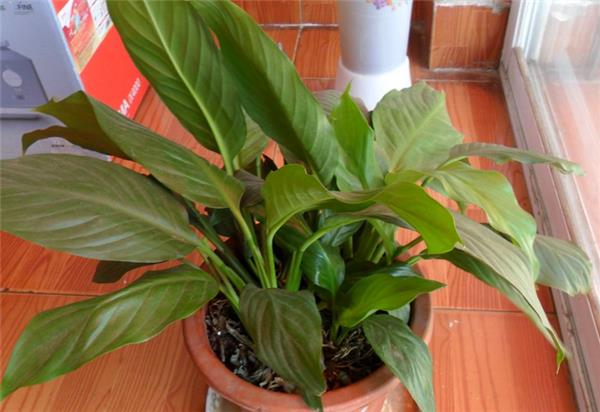
After reading this article, I believe everyone has gained a general understanding of the cultivation methods for the peace lily. Friends who like the peace lily can also try growing a few pots! The above is the relevant introduction to cultivation methods for the peace lily. I hope it can be helpful to everyone.
I hope it can be helpful to everyone.