Hosta Flower Picture Appreciation and Detailed Planting Method Explanation
In fact, the hosta is a typical shade plant. It prefers shady and humid environments. When exposed to strong light, its leaves turn yellow and its growth suffers. It likes fertile, moist sandy loam soil and is extremely cold-hardy. When planting, the environment and light conditions must be given very important consideration.
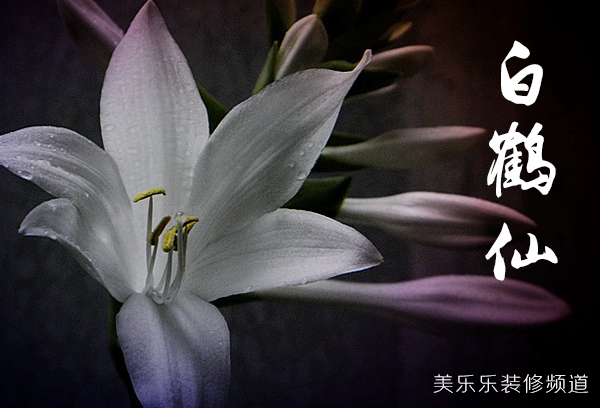
Hostas are mainly propagated by division, which can be done in spring from April to May or in autumn from October to November. Divide every 3-5 years, cutting the rhizome into two sections, each with 2-3 buds, and replant them separately. After replanting, do not water too much to avoid root rot. The seeds mature in autumn. After harvesting, dry them in the sun and sow from February to March the following year. They bloom after 2-3 years. A fertile, moist, well-drained sandy loam soil is suitable.
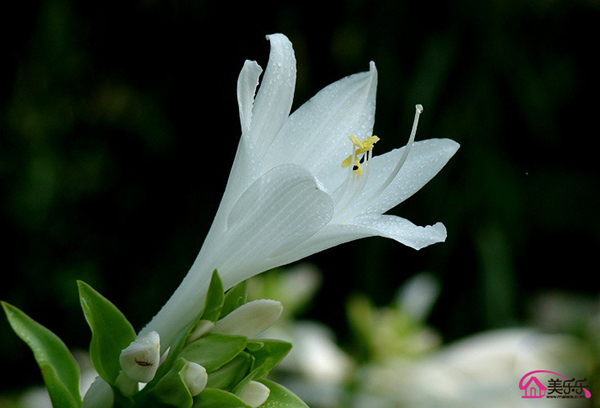
For potted hostas, after summer begins they need to be moved to a shaded spot or a north-facing balcony to prevent direct sunlight. In other growing seasons, place them in partial light. After late autumn, keep them in a sunny spot, which is beneficial for their growth and flowering. Hostas like moist, fertile soil. When planting in the ground, apply decomposed manure as a base fertilizer at planting time, and water thoroughly after planting. Each spring after the leaves unfold, apply a decomposed liquid fertilizer combining nitrogen and potassium about every 2-3 weeks. During the bud stage, apply a liquid fertilizer mainly containing phosphorus and potassium. Stop fertilizing during the flowering period.
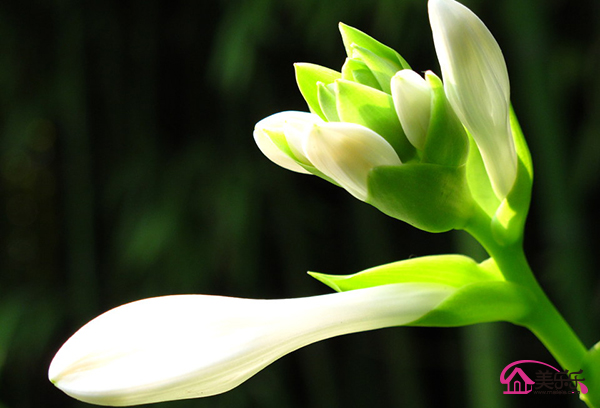
If propagating on a large scale, first build a relatively large shade shed to provide shade, so that the seedlings can grow safely. Hosta is an excellent shade-tolerant plant, with both ornamental leaves and flowers. When planting, pay attention to:
1. Selection of planting site. Because hostas prefer shade, they should be planted under trees, on the north side of buildings, or in hidden places not exposed to direct sunlight. Never plant them in sunny spots.
2. Water. Hostas prefer moisture and are not tolerant of drought. During the growing period, pay attention to watering, but do not allow excessive water accumulation.
3. Fertilizer. During the sprouting stage, apply fertilizer mainly containing nitrogen; during the bud stage, apply a liquid fertilizer mainly containing phosphorus.
4. Pest and disease control. In summer, prevent damage from snails and slugs, and pay attention to timely spraying of relevant pesticides.
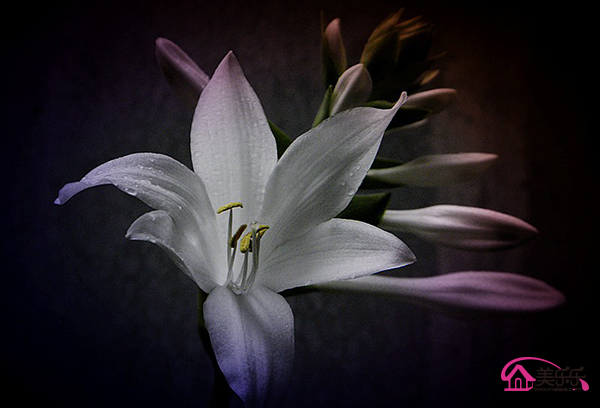
Of course, the hosta also has very powerful medicinal effects.
Pharyngitis: 8-10 dried hosta flowers, brewed with boiling water, drink frequently as tea.
Sore throat: 10 grams of hosta flowers and 20 grams of forsythia flowers, decoct in water and take; 3 grams of hosta flowers mixed evenly with an appropriate amount of white sugar, marinate for half a day, put into a porcelain cup and brew with boiling water, drink as tea when warm.
Menstrual pain: 20 grams of hosta flowers, 25 grams of brown sugar, 3 grams of ginger, decoct in water and take.
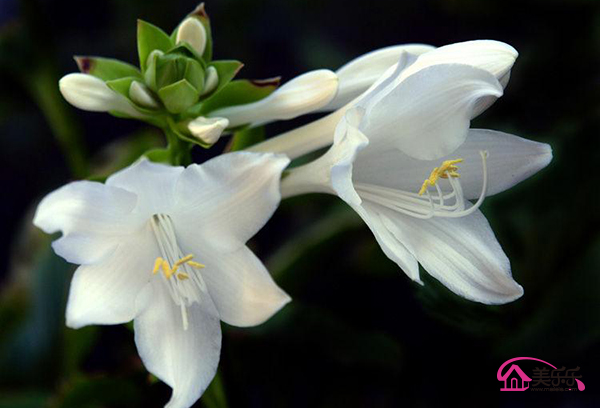
Conclusion: The hosta may seem gentle and lovely in nature, yet it possesses the same proud spirit and purity as the lotus, which is very rare. Its ornamental value is even more extraordinary. I hope that through study, everyone can successfully grow lush hostas.
More information:
| What does a white rose represent | What plants protect against computer radiation | Geranium | Azalea cultivation methods and precautions | Golden Heart Spider Plant |
| Lavender flowering period | Indoor foliage plants | Boston ivy | Lily folding method | Mint benefits and effects | Mimosa cultivation method |
| How to grow succulents | Osmanthus | Gynostemma benefits and effects | Handmade roses | Honeysuckle benefits and effects | Kumquat |