How to plant cherry blossom seeds so they grow into a cherry blossom tree
Growing cherry blossoms from seed may not have as high a survival rate as other methods such as cuttings and layering, but it costs the least of all methods, and with proper care, the seeds can still survive.
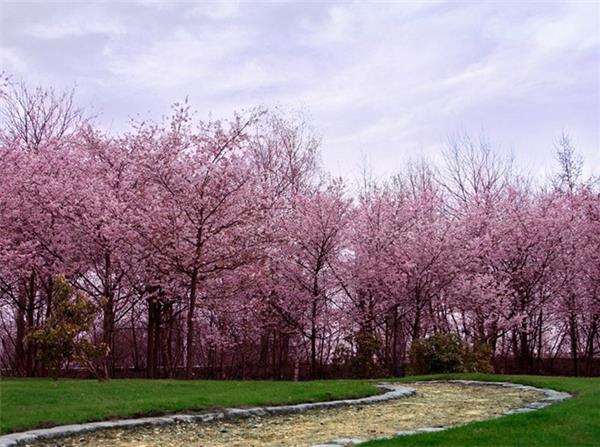
Cherry blossom growth habits
It likes light and tolerates slight shade, prefers deep, fertile, well-drained slightly acidic soil, is not tolerant of saline-alkali soil, likes environments with high air humidity, but dislikes waterlogging and low-lying land, and has a certain degree of cold tolerance. The root system is shallow, the branches have poor healing ability, and heavy pruning should be avoided. It has strong resistance to hydrogen fluoride, moderate resistance to ozone, and a certain ability to block smoke and dust.
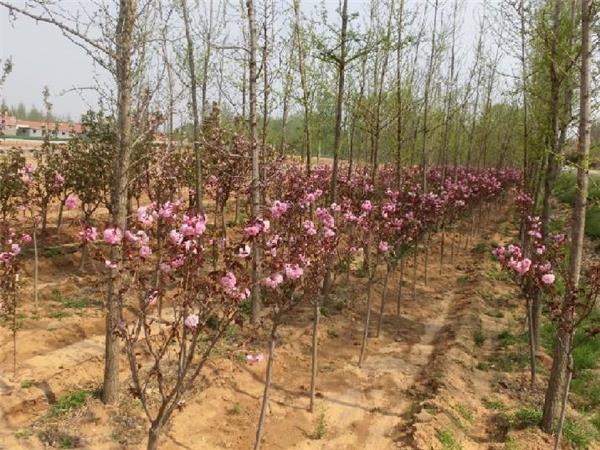
How to grow a cherry blossom tree from cherry blossom seeds
Site selection and soil preparation: Cherry blossoms are a shallow-rooted, sun-loving tree species, with 60% of their root system distributed within 60 cm of the surface, and mainly in the top 20 cm of soil. Therefore, the planting site must be an open, sunny location with good drainage, loose soil and good aeration, avoiding waterlogging and dryness. Around the tree, especially within the root distribution area, people, livestock and vehicles must never compact the soil, as this will compact the soil surface, affect root growth, shorten the tree's lifespan, and even cause death.
Sowing propagation: The flowering period is April, and the fruit ripening period is July. After the fruit ripens, collect it, let it rot, mash it, and rinse it so that the flesh separates from the seeds. Take out the seeds, dry them in the shade, and store them in moist sand until sowing the following spring. The germination rate can reach 80%.
Reasonable fertilization: For management during the growing period, cherry blossoms are fertilized twice a year, and acidic fertilizers are best. One is winter fertilizer, applying organic fertilizers such as soybean cake, chicken manure and decomposed fertilizer in winter or early spring; the other is after the flowers fall, applying quick-acting fertilizers such as ammonium sulfate, ferrous sulfate and superphosphate. Generally, for fertilizing large cherry blossom trees, the hole application method can be used, that is, dig a ring-shaped trench about 10 cm deep at the edge of the vertical projection line of the crown, and apply the fertilizer into it. This method is both simple and conducive to root absorption. As the tree grows, the diameter and depth of the fertilizing ring trench should also increase accordingly.
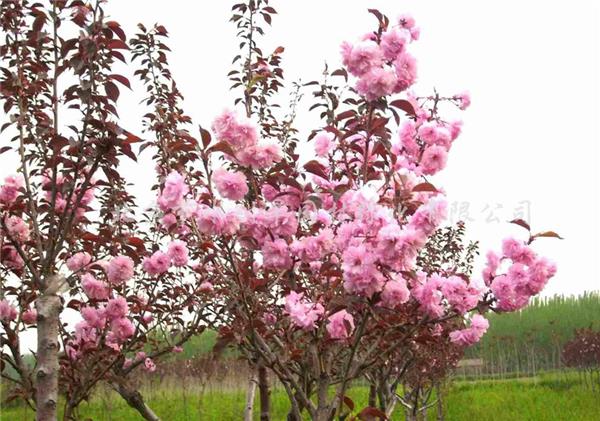
Wound disinfection: After the branches and trunk of a cherry blossom are injured, the wounds heal slowly. Based on this characteristic, pruning cherry blossoms should be done with special care, and mainly overlapping branches and diseased or pest-infested branches should be pruned. After pruning, disinfect the wounds promptly with medication to prevent rain from allowing pathogens to invade the wounds and cause rot. Applying preservative gives better results.
Cross-pollination: Cross-pollination is the main pathway for the formation of cherry blossom varieties, and can even form intergeneric hybrids. This characteristic should be fully utilized to breed more and better cherry blossom varieties.
Shaping and pruning: Generally, the crown shape of cherry blossoms is trained into a natural open-center form. The method is, during winter pruning, set the trunk height at 60-80 cm, and within the 20 cm shaping zone at the top, select and retain 3-4 main branches. The main branches should be evenly distributed and properly positioned, and all other branches should be removed. When the retained main branches grow to 30-50 cm, shorten them to stimulate branch growth, so that in the next year's winter pruning, side branches on the main branches can be selected and retained with even distribution and suitable positions.
Pest and disease control: Gummosis is caused by moths boring into the trunk to lay eggs. You can use a sharp knife to dig out the insect eggs, while also improving the soil and strengthening water and fertilizer management. Root nodule disease: the roots of trees with this disease cannot grow normally, and no matter how they are fertilized, the trees remain unhealthy. Remove the tumors promptly, carry out soil disinfection treatment, and use leaf mold, charcoal powder and microorganisms to improve the soil. Aphids, red spiders and scale insects: these pests and diseases should be prevented mainly. Spray 3 to 4 times a year, the first time before flowering, the second time after flowering, and the third time in July to August.
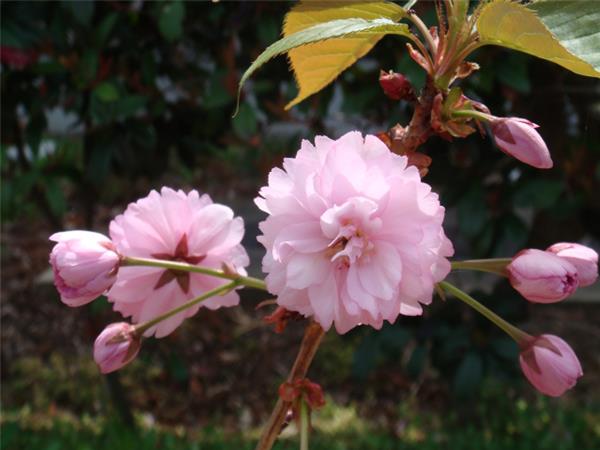
If, after sowing cherry blossom seeds, care is not done properly, it will not only trigger pests and diseases in the cherry blossom seedlings, but may even cause them not to germinate or to die during the sprouting stage, so special attention must be paid.