What are the uses of the yew? A comprehensive analysis of its benefits and value
The yew is a treasure in ornamental plant cultivation; it has both ornamental and environmental-purifying functions, and also has value as a medicinal product. How do you grow such a fine yew, and what are the methods for cultivating it? Although the yew is popularly said to be a tree for lazy growers, in actual yew cultivation it is not that simple, and there are still many details to pay attention to. Below, this article will provide a detailed explanation of the uses of yew cultivation.
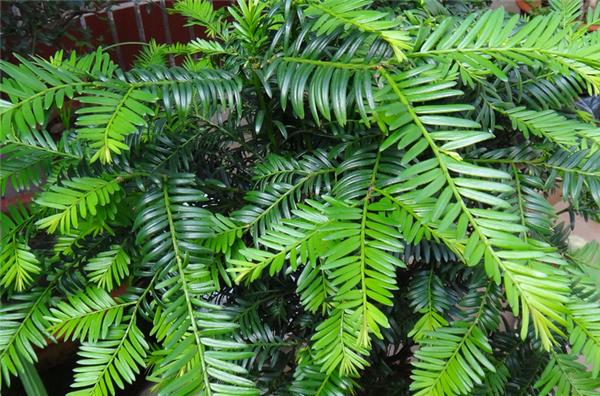
I. The uses of the yew
Cancer prevention
The yew can not only absorb toxic substances such as carbon monoxide, nicotine, and sulfur dioxide, but also absorb carcinogenic substances such as formaldehyde, benzene, toluene, and xylene, purifying the air. It is currently the only cancer-preventing tree species discovered in the world.
Purifying the air
The yew has a purification rate of 12% for indoor formaldehyde. Placing a yew indoors can also degrade harmful substances in the air such as benzene, toluene, xylene, sulfur dioxide, nitrogen dioxide, and carbon monoxide. It effectively eliminates the "secondhand smoke" pollution caused to family members by smoking. For a newly renovated home, the yew can also eliminate harmful gases such as radon and formaldehyde as well as radioactive elements, safeguarding human health.
Releasing a large amount of oxygen
Ordinary tree species only release oxygen during the day and release carbon dioxide at night, but the yew can absorb carbon dioxide and release oxygen 24 hours a day, so experts call it a natural health product for the human respiratory system.
Anti-radiation
For urban white-collar workers who face computers all day and are exposed to a large amount of radiation, placing a pot of yew near the workplace can effectively prevent the harm of radiation to the human body.
Weight loss
Research has found that a component extracted from the yew can rapidly activate fat-decomposing enzymes, break down deep fat in the body, inhibit the intestines from absorbing calories, prevent the formation of lipid compounds, and protect against fat deposition in the blood. The speed of weight loss is fast, and the weight-loss effect is good.
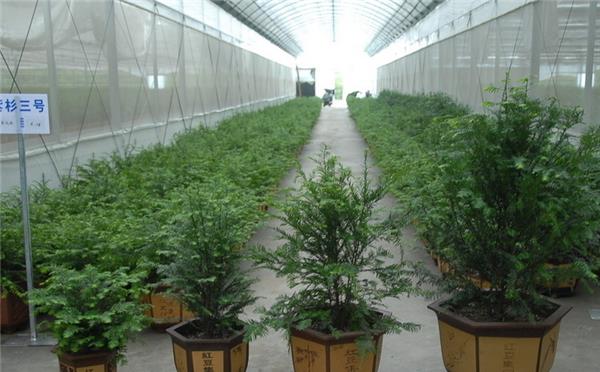
II. Cultivation of the yew
1. Cutting propagation. The factors affecting the survival rate of yew cuttings mainly include tree age, temperature, humidity, chemical treatment concentration, substrate, season, variety, and other artificial factors. For yew cutting propagation, softwood branches are better in spring, while hardwood branches are better in autumn. When cutting, it is best to provide low-frame shading. The survival rate of cuttings can generally reach more than 70%, and the base should undergo careful rooting treatment during cutting. At the beginning, humidity should be maintained intermittently at 75%-85%, and strong winds should be avoided to prevent water loss.
2. Seedling management. The first is temperature regulation after yew cuttings. After inserting the cuttings, the ground temperature of the bed surface should be maintained at about 18-25°C, while the temperature inside the shed should be about 22°C-28°C. The soil humidity is best kept between 60%-70%. During the seedling period, we need to observe the temperature and humidity inside the plastic shed every day and check the condition of the plastic film. If there are water droplets inside, it is not short of water; on the contrary, if there are no water droplets, it is short of water. If the yew is found to be short of water, it should be watered immediately, and when the temperature inside the shed reaches 30°C, the plastic should be opened promptly for ventilation.
3. Weeding and disease prevention. Weeding for the yew is generally carried out when the grass has just emerged. If weeding is done after the grass has grown large and its roots are strong, the seedlings may accidentally be pulled out together with it, or air leakage may be caused, leading to the death of the seedlings. Therefore, it is necessary to pull weeds early and weed frequently to avoid the loss of water and fertilizer. During the rainy season, yew seedlings are prone to root and stem rot. At this time, we need to spray and irrigate with a 400-700 times dilution of 70% dexon. In dry and high-temperature seasons, these seedlings are very prone to leaf blight, and at this time a 1% Bordeaux mixture should be sprayed for prevention and control.
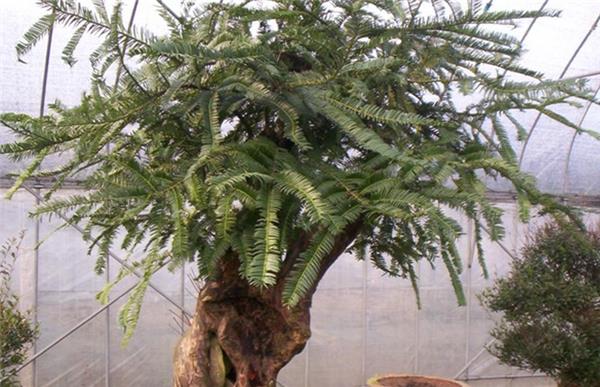
III. Key points for potted yew
For potted yew, loam soil is best, and a mixed substrate made from peat soil, perlite, and loam can also be chosen. Water retention, fertilizer retention, and air permeability are beneficial to the growth of the yew. Although clay retains water and fertilizer, it is not air-permeable, which is not conducive to the growth and development of the yew root system. Although sandy soil is air-permeable, it has poor fertilizer and water retention, and is also not conducive to yew growth. The best light for the yew is from 7 to 11 a.m. every day, with about 4 hours of light per day. In summer, the light duration should be shorter, while in autumn and spring the light duration can be longer. However, no light also affects the photosynthesis and growth of the yew.
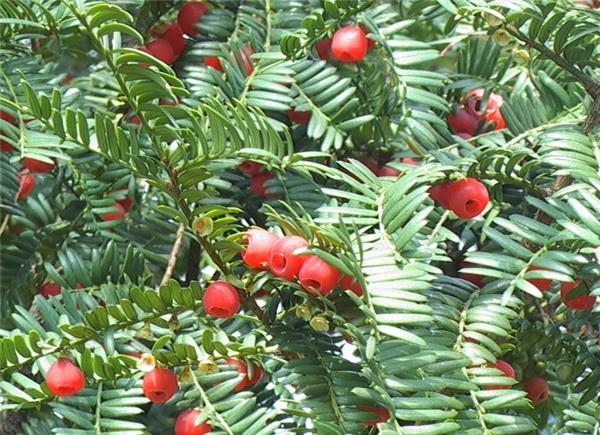
The above provides a detailed understanding of the uses of the yew. I hope it is helpful to you and allows you to cultivate your yew better. At the same time, I believe you now have a detailed understanding of the uses of the yew.
The above provides a detailed understanding of the uses of the yew. I hope it is helpful to you and allows you to cultivate your yew better. At the same time, I believe you now have a detailed understanding of the uses of the yew.