What is the flower language and symbolic meaning of the cornflower?
In Europe there is a flower that symbolizes happiness, and its name is the cornflower. The cornflower was originally a wild flower, and after many years of cultivation, the cornflower's colors have increased greatly; among all the colors, purple and blue are the most precious. Let's take a look at the flower language of the cornflower, as well as the steps for cultivating it!
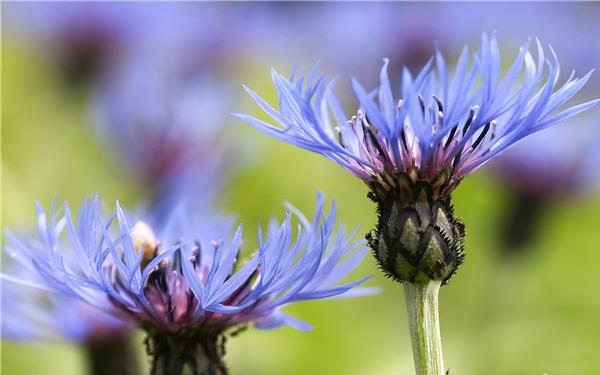
The flower language of the cornflower
The flower language of the cornflower is: delicate, elegant. It also represents happiness!! The happiness of being single. Cornflower - the national flower of Germany. Queen Louise, mother of the Prussian Emperor William I, was forced to leave Berlin during a civil war. While fleeing, the carriage broke down, and as she and her two children stopped by the roadside to wait, she found blue cornflowers blooming along the road, so she wove this flower into a wreath.
The flower language of the cornflower is: delicate, elegant. It also represents happiness!! The happiness of being single.
Cornflower - the national flower of Germany. Queen Louise, mother of the Prussian Emperor William I, was forced to leave Berlin during a civil war. While fleeing, the carriage broke down, and as she and her two children stopped by the roadside to wait, she found blue cornflowers blooming along the road, so she wove this flower into a wreath and placed it on the chest of the nine-year-old William. Later, when William I was crowned Emperor of Germany, he still loved the cornflower very much and regarded it as a flower of good fortune. The cornflower also inspires people to be cautious and to learn with humility.
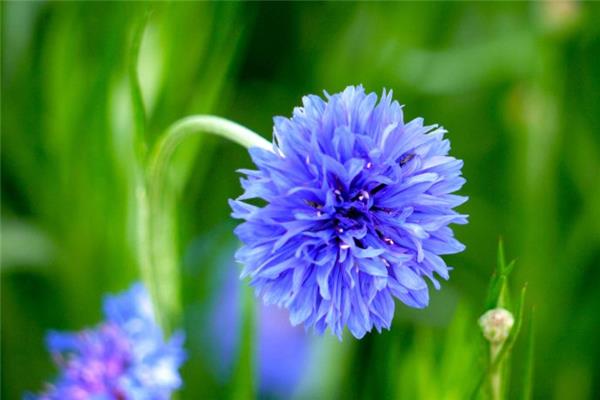
The cornflower, scientific name Centaurea cyanus, is an annual herbaceous flower of the genus Centaurea in the Asteraceae family. Also known as blue cornflower, lychee chrysanthemum, and emerald blue, it is native to Europe. The plant grows 30-70 cm tall and is covered with white downy hairs when young. The basal leaves are long elliptic-lanceolate, entire, sometimes pinnately lobed near the base. The flower heads are solitary at the tips of the branches. Flower colors include white, red, blue, and purple. The flowering period is spring in warm regions and summer in cold regions. There are double-flowered varieties. The English name is Cornflower.
In some places, young girls like to flatten picked cornflowers and place them inside their undergarments. After an hour, if the petals are still flat and broad, it means they will meet their future other half. Therefore, its flower language is - encounter.
Anyone blessed by this flower will meet many benefactors throughout their life: such as good teachers and helpful friends or an ideal partner, and so on. A cornflower-like girl seems never to grow up, always as sweet and lovely as a little girl, and even more brightly colorful like this flower...
Cornflower flower language one
The cornflower's slender figure and medium-sized blossoms are as fresh and lovely as a young girl, symbolizing a maiden's virtue and reserve. Its tendency to face toward the sunlight represents a prayer for happiness and joy. German poets and painters have used words and brushes to express the cornflower's caution and humility, suggesting that the German people should conduct themselves modestly and act prudently like the cornflower.
Cornflower flower language two
The cornflower is small and delicate in appearance and gives off a fragrant scent, so one of its flower languages is gentle and lovely. It is often a birthday flower that receives blessings and compliments from friends, but it is somewhat strict and conservative, and when meeting someone it likes, its posture is rather passive, which may become a fatal flaw in making friends; just a little attention can make it more likable.
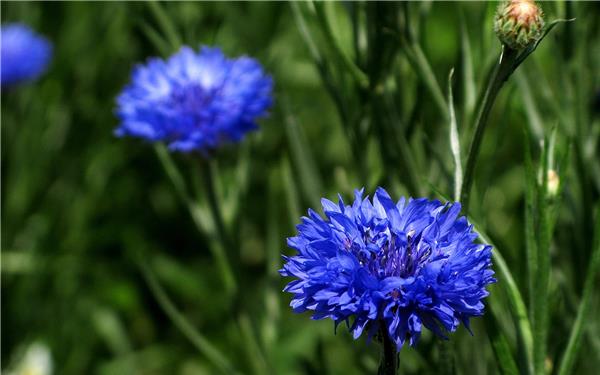
Cornflower flower language three
In the cultural history of the cornflower, there is this custom: in some places, young girls place flattened cornflowers inside their undergarments, and if after an hour the cornflower petals remain flat, they will meet their other half. Because of this custom, one of the cornflower's flower languages is encounter.
Cornflower flower language four
Regarding the story of the cornflower, there is another one about Queen Louise, mother of the Prussian Emperor William I, who, while fleeing Berlin because of war, made a wreath of blue cornflowers and placed it on the chest of the nine-year-old William to comfort the child's fearful emotions. Later, when William ascended the throne, he regarded the cornflower as a flower of good fortune, inspiring people to be cautious and humble.
Cornflower flower language five
The cornflower's flower language also includes slender, elegant, encountering happiness, the happiness of being single, rebirth, passion and loyalty, longing, and so on, with rich connotations. In particular, as the national flower of Germany, it has been given the symbolism of the Prussian people, which is that although its appearance is delicate, it symbolizes solemnity and nobility, possessing an incomparably strong and exceptionally outstanding inner self.
The cornflower is the birthday flower for March 5 in the flower calendar, and children born on this day will carry the qualities of the cornflower. No matter how beautiful a pretty cornflower picture is, it cannot compare to the inner beauty described in the cornflower's flower language. If you have the chance, go to Germany to see the cornflowers.
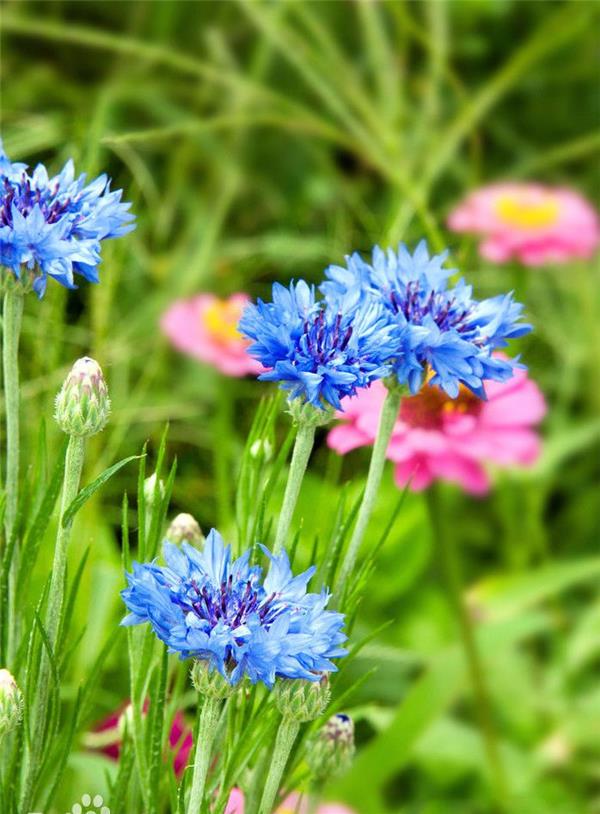
Sweet sultan - the flower of Saint Teresa, a 16th-century Spanish nun
Since ancient times, Christianity has had the custom of linking saints with specific flowers, which originated from the church's practice of decorating altars with blooming flowers when commemorating saints! In medieval Catholic monasteries, various flowers were even grown like in a gardening center, and over time, the church paired the 366 days' saints with different flowers, forming the so-called flower calendar. At that time, most monasteries were located in Southern Europe, and Southern Europe has a Mediterranean climate, which is very suitable for growing flowers and plants. The sweet sultan, which belongs to the Asteraceae family, is the flower chosen to be dedicated to Saint Teresa. She is widely known for reforming the mendicant order.
I believe that after reading the above article, everyone has gained some understanding of the content related to the cornflower's flower language. I hope the above content can help everyone; for more wonderful content, please continue to follow our website~