How to Grow Alocasia (Dripping Guanyin)? Detailed Guide to Growing Methods and Tips
The corms and leaves of Alocasia (Dripping Guanyin) can be used medicinally, but they are highly toxic. The leaf sap is poisonous if it enters the mouth, so it is not suitable to grow Alocasia in homes with pets or children, to avoid tragedy. This is an extra point to keep in mind when growing Alocasia. Now let's learn about the growing methods for Alocasia.
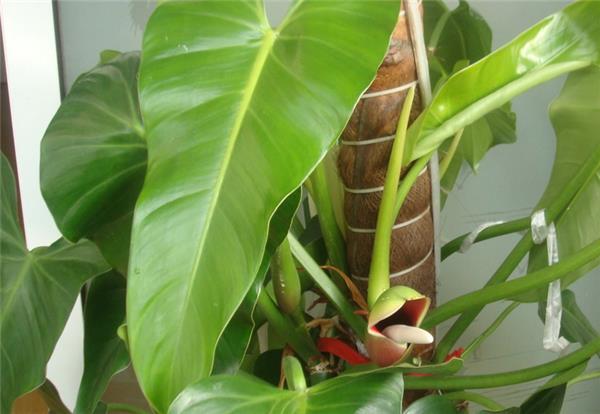
I. How to Grow Alocasia
1. The temperature Alocasia needs
Alocasia can only grow well in an environment no lower than 18°C. If the temperature drops below 18°C, Alocasia will enter a dormant state and stop growing.
2. Fertilizing Alocasia
Alocasia likes fertilizer, and should be fertilized every month.
3. Watering Alocasia
Alocasia drips water along its leaves, and this characteristic leads many people to believe that Alocasia must love to "drink water." But in fact, Alocasia is not always "thirsty," and watering once a week is enough. Be careful not to spray water on the leaf surface of Alocasia; water in the north is highly alkaline, and spraying will cause white spots to appear on the leaves.
4. The sunlight Alocasia needs
Alocasia likes shade, so do not let direct sunlight hit it.
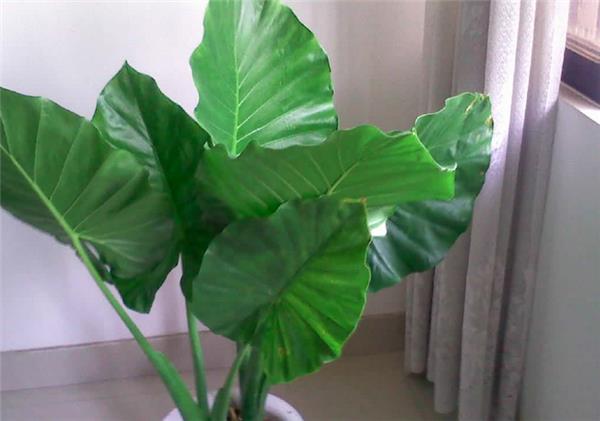
II. Precautions for Growing Alocasia
1. Cleaning the roots. If you choose to grow Alocasia in water, be sure to remember to wash the roots clean;
2. Water quality requirements. The stem and root tissues of Alocasia are relatively loose, and it has high requirements for water quality. Be careful to keep the water clear and clean, otherwise the stem and roots are prone to rot.
3. Indoor temperature. Note that Alocasia is a shade-loving plant. As for temperature, it can only grow well in an environment no lower than 18°C. If the temperature drops below 18°C, Alocasia will stop growing.
4. Change the water frequently. In summer, increase the number of water changes, and keep air humidity no lower than 60%. Spray it often to create a relatively cool and moist environment. In winter, to keep its leaves dark green, generally spray with warm water once a week.
5. Adding nutrient solution. Plants are actually just like people; they need nutrients to grow well, so be sure to add nutrient solution to the plant at regular times;
6. Prevent direct sunlight. Alocasia is a shade-loving plant, so do not place it in direct sunlight, or Alocasia will become "wilted";
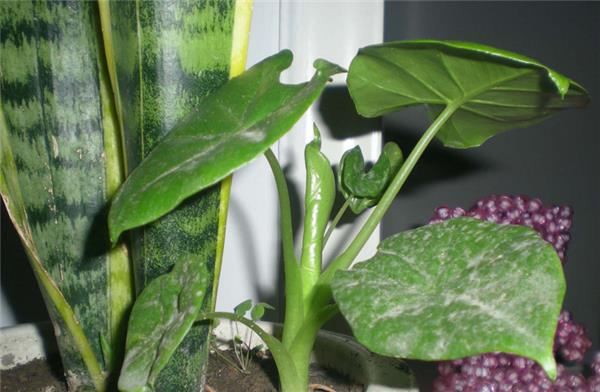
III. The Benefits of Alocasia
The unique benefit of Alocasia is its ability to absorb dust from the air. This is the same as many toxic flowers and plants. It can improve the home environment, purify the indoor air, and give people a fresh feeling.
Its leaves are relatively thick and fleshy, making it very suitable for viewing at home. Looking at the lush green leaves, many people's worries will surely be swept away, and its home decorating function is also very strong.
Although Alocasia has many benefits, the white sap in its stem is toxic, and the water it drips is also toxic. Once its sap is accidentally touched or ingested, it will cause discomfort in the throat and mouth, and in severe cases it can even cause suffocation, leading to cardiac paralysis and death. After a person's skin comes into contact with its sap, itching or strong irritation can also occur. If the eyes come into contact with its sap, it may cause severe conjunctivitis and even blindness. Therefore, everyone should minimize contact with Alocasia, and families with children had best not grow this kind of plant. So relevant experts believe that the attitude toward toxic plants such as Alocasia should be: keep a certain distance from them, do not casually play with or stroke them, and even more so do not hold their fruit in the mouth.
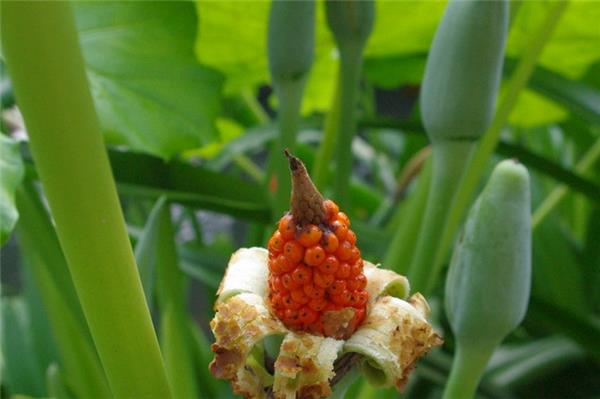
The growing methods and precautions for Alocasia are introduced here. We hope everyone can understand the relevant habits of how to grow Alocasia, as well as the knowledge that its sap and rhizome are toxic. Appreciate it from afar rather than treating it with disrespect, so as to bring out its ornamental value.