What is the flower language of the datura? Let us introduce you to its symbolism
The datura flower is native to India. The Ashokavadana, chapter seven, says: "Mandara means round flower." The name datura flower is transliterated as round flower, white cluster flower, agreeable flower, pleasing flower, and so on, all of which carry a meaning of completeness. The flower language of the datura varies according to its color and in the eyes of different cultures around the world. Let us take a detailed look at the flower language of the datura.
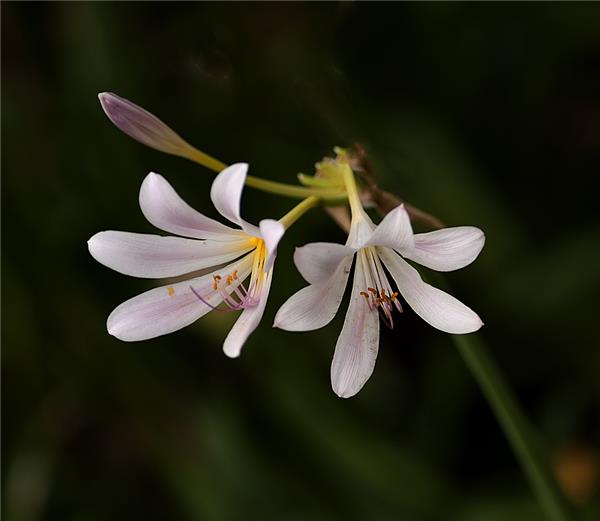
The flower language of the datura
Purple datura - terror.
Blue datura - false affection, deceptive love.
Red datura - manjusaka, also known as the flower of the other shore. It is generally believed to be the guiding flower that grows on the banks of the Sanzu River. Its fragrance is said to be magical, able to awaken memories from one's former life.
Pink datura - agreeableness.
Green datura - endless hope.
Golden datura - respect and love, a born lucky one, with unending happiness.
White datura - the flower of love; if swallowed with wine, it makes people laugh and has a narcotic effect. It is a flower that blooms in heaven, white and soft; those who see this flower have their evil removed of itself.
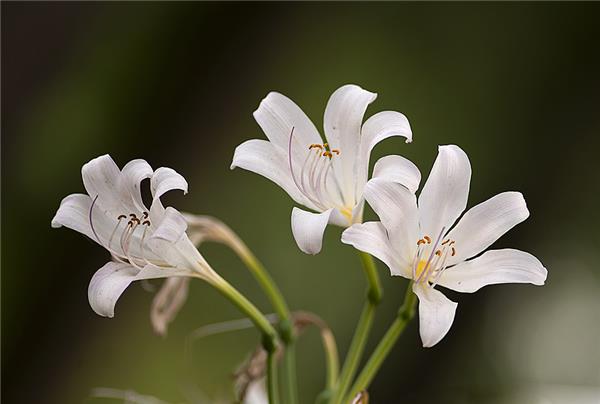
Black datura - unpredictable darkness, death, and wandering love. Uninterrupted love and revenge, the lovelessness and grudgelessness of the mortal world, the wounded and resilient heart full of scars, the road of no return in life.
There is a legend about the black datura: in every pot of black datura lives a spirit, and they can help you fulfill the wish in your heart! But they also have a condition for exchange, and that is human blood! As long as you water that black, bewitching datura with your own blood, the spirit in the flower will help you fulfill the wish in your heart! It can only be watered with blood, because they love this passionate yet deadly feeling!
Golden datura - respect and love, a born lucky one, with unending happiness.
White datura - the flower of love; if swallowed with wine, it makes people laugh and has a narcotic effect. It is a flower that blooms in heaven, white and soft; those who see this flower have their evil removed of itself.
Red datura - not manjusaka, do not confuse the two. Bleeding. Bloody love.
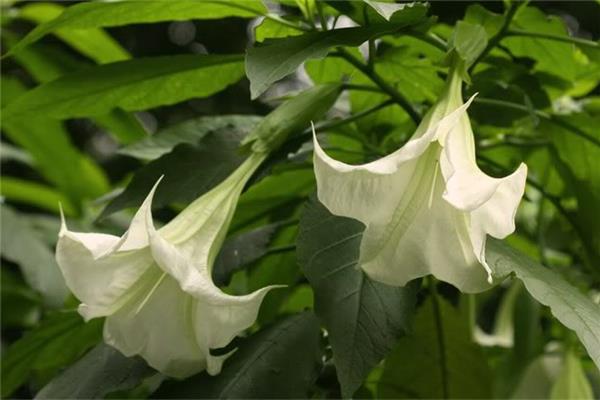
The legend of the datura flower
The flower of the other shore, the tenderness of demons. In legend, it is a flower that voluntarily threw itself into hell, was sent back by the demons, yet still lingered on the road to the underworld. The demons could not bear it, so they agreed to let her bloom on this road, to give guidance and comfort to the souls leaving the mortal realm.
This flower is also called manjusaka; the red flower is also known as the flower of the other shore, and is also called Red Spider Lily. People say, "Do not see the grass, do not see the flower." In Japan it is called マンジュシャゲ, pronounced manjusaka, and its flower language is "separation / sorrow / inauspiciousness / the beauty of death."
It is said that this flower blooms only in the underworld. It is generally believed to be the guiding flower that blooms only on the banks of the Sanzu River in the realm of the dead, on the far shore of the River of Forgetting. The flower is as gorgeously bright red as blood, covering the road leading to hell, and it has flowers but no leaves. It is the only flower of the underworld. Its fragrance is said to be magical, able to awaken the memories of the dead from their former lives. On the road to the underworld, these flowers bloom in great masses, and seen from afar they look like a carpet spread of blood. Because they are so red they seem like fire, they are also likened to the "road lit by fire," and they are the only scenery and color on this long road to the underworld. When the soul crosses the River of Forgetting, it forgets all that came before; everything that once was remains on the other shore, and the departed step along the guidance of these flowers toward the dark prison of the underworld.
The flower of the other shore belongs to the Amaryllidaceae family (Lycoris Herb), and its genus name is the name of the sea goddess in Greek mythology. Because the characteristics of Lycoris species are that they first send up a scape (peduncle) and bloom, then produce leaves at the end of flowering or after the flowers fade; and there are other species that first produce leaves, and after the leaves wither send up a scape and bloom. Therefore, when the flower of the other shore blooms, no leaves can be seen, and when there are leaves, no flowers can be seen. Flower and leaf never meet, and are forever at odds through life after life. Hence the saying, "The flower of the other shore blooms on the other shore; only flowers are seen, no leaves." In spring it is a bulb, in summer it grows leaves, in autumn it stands up and blooms, and in winter the leaves slowly recede again. When the flower blooms, no leaves can be seen; when there are leaves, no flowers can be seen. Flower and leaf never meet, and are forever at odds through life after life. Mutual longing and mutual cherishing, forever lost to each other. In this way they cycle on, and flower and leaf never meet, which also carries the meaning of a tragic love that can never be reunited.
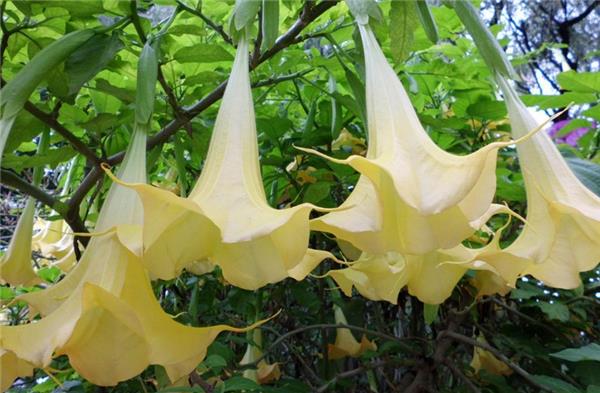
Legend says that long, long ago, the edges of the city were covered with great expanses of the flower of the other shore, that is, manjusaka. Guarding the flower of the other shore were two spirits: one flower spirit named Manju, and one leaf spirit named Shaka. They had guarded the flower of the other shore for several thousand years, but had never met, because when the flower bloomed, no leaves could be seen, and when there were leaves, no flowers could be seen. Flower and leaf never meet, and are forever at odds through life after life. They missed each other madly and were tormented by this pain. Finally one day, they decided to violate the god's rule and secretly meet once. That year, the bright red flowers of the manjusaka, set off by the striking green, bloomed with especially bewitching beauty. The god blamed them, and this was also expected. Manju and Shaka were cast into reincarnation and cursed never to be together, suffering tribulations in the mortal world life after life. From then on, manjusaka was also called the flower of the other shore, meaning a flower that blooms in heaven. The shape of the flower is like palms praying toward heaven, but it never appeared in the city again. This flower blooms on the road to the underworld. Each time Manju and Shaka are reincarnated and smell the fragrance of the flower of the other shore on the road to the underworld, they can remember their former selves, then vow never to part, and in the next life fall once more into the cursed cycle of reincarnation.
What effects does the datura flower have
Because the main effect of the datura flower is to relax muscles and suppress sweat gland secretion, the ancients naming this medicine "knockout drug" was extremely accurate. Since the 1970s, traditional Chinese medicine anesthetics based mainly on datura have shone brilliantly again. This anesthesia method has attracted the attention of foreign medical experts and has contributed to world medicine.
The datura flower can be used not only for anesthesia, but also for treating diseases. Its leaves, flowers, and seeds can all be used as medicine. It is pungent in taste and warm in nature, and is highly toxic. The flower can dispel wind-dampness, relieve asthma and stop pain, and can treat convulsions and cold wheezing; a decoction can be used to wash and treat various wind-induced stubborn impediment and cold-damp athlete's foot. The analgesic effect of the petals is especially good, and they can treat neuralgia and so on. The leaves and seeds can be used to relieve cough and pain. Because the datura flower is highly toxic, the state restricts its sale, and when specially needed it must be used under fixed-point control with a prescription from a relevant doctor.
I believe that after reading the above article, everyone has gained some understanding of the related content about the flower language of the datura. I hope the above content can be of help to everyone. For more wonderful content, please continue to follow our website~
When there are leaves, no flowers can be seen. Flower and leaf never meet, and are forever at odds through life after life. They missed each other madly and were tormented by this pain. Finally one day, they decided to violate the god's rule and secretly meet once. That year, the bright red flowers of the manjusaka, set off by the striking green, bloomed with especially bewitching beauty. The god blamed them, and this was also expected. Manju and Shaka were cast into reincarnation and cursed never to be together, suffering tribulations in the mortal world life after life. From then on, manjusaka was also called the flower of the other shore, meaning a flower that blooms in heaven. The shape of the flower is like palms praying toward heaven, but it never appeared in the city again. This flower blooms on the road to the underworld. Each time Manju and Shaka are reincarnated and smell the fragrance of the flower of the other shore on the road to the underworld, they can remember their former selves, then vow never to part, and in the next life fall once more into the cursed cycle of reincarnation.What effects does the datura flower have
Because the main effect of the datura flower is to relax muscles and suppress sweat gland secretion, the ancients naming this medicine "knockout drug" was extremely accurate. Since the 1970s, traditional Chinese medicine anesthetics based mainly on datura have shone brilliantly again. This anesthesia method has attracted the attention of foreign medical experts and has contributed to world medicine.
The datura flower can be used not only for anesthesia, but also for treating diseases. Its leaves, flowers, and seeds can all be used as medicine. It is pungent in taste and warm in nature, and is highly toxic. The flower can dispel wind-dampness, relieve asthma and stop pain, and can treat convulsions and cold wheezing; a decoction can be used to wash and treat various wind-induced stubborn impediment and cold-damp athlete's foot. The analgesic effect of the petals is especially good, and they can treat neuralgia and so on. The leaves and seeds can be used to relieve cough and pain. Because the datura flower is highly toxic, the state restricts its sale, and when specially needed it must be used under fixed-point control with a prescription from a relevant doctor.
I believe that after reading the above article, everyone has gained some understanding of the related content about the flower language of the datura. I hope the above content can be of help to everyone. For more wonderful content, please continue to follow our website~