What is the flower language and symbolism of tulips?
What is the flower language of tulips? What is the flower language of red tulips? Tulips are called the national flower by the people of the Netherlands. Tulip varieties are extremely rare and precious, which is why they are sold at high prices and why people rush to buy them. Below, let me explain what the flower language of tulips is.
I. What is the flower language of tulips
Tulip flower language, part one
Love, charity, honor, beauty, blessing, eternity, confession of love, eternal blessing [6]
Yellow tulip: elegance, preciousness, wealth, cherishing, friendship
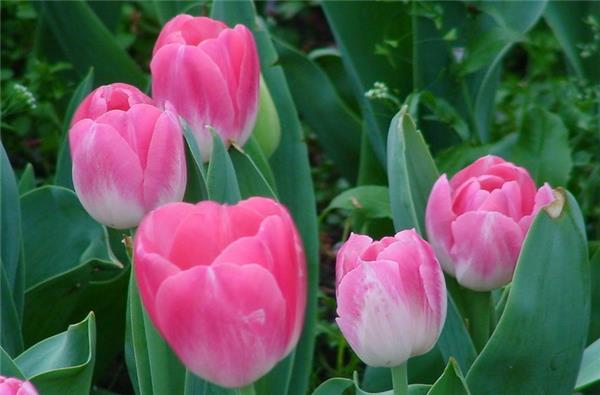
Pink tulip: beauty, passion, cherishing, friendship, happiness
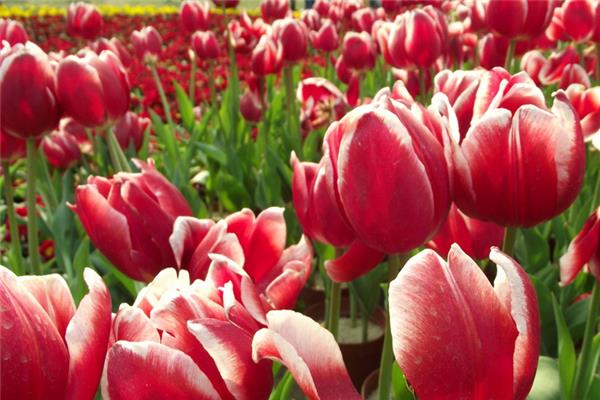
Red tulip: confession of love, declaration of love, joy, passion
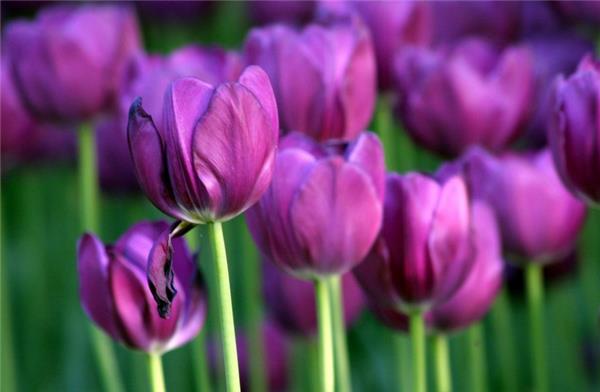
Purple tulip: noble love, endless love
Black tulip: mystery, nobility
Plateau tulip: pride, standing tall, the beauty of creation, the creation of beauty
Bicolor tulip: beautiful you, joyful reunion
Feather tulip: tender affection
Wild tulip: chastity
Tulip flower language (part two)
Symbolizes holiness, happiness and victory
Red tulip - means I love you
Purple tulip - means faithful love
Yellow tulip - means hopeless love, a love without hope
White tulip - means lost love, love that has been lost
Black tulip - represents chivalry (or melancholy love)
In European and American novels and poetry, tulips are also regarded as a symbol of victory and beauty, and can also represent grace and elegance.
II. How to grow tulips
Sunlight: Tulips are light-loving plants. From the emergence of new shoots to flowering, they need ample sunlight. In winter, if supplementary lighting equipment is available, it helps increase the flowering rate of tulips, and the flowers will be more vividly colored.
Watering: In spring, during the stem and leaf growth period, tulips need plenty of water. Because the potting medium is loose and drains well, the water in the pot soil evaporates quickly, so water must be replenished in time. After tulips finish flowering, they focus mainly on bulking up the bulb, so watering should be appropriately controlled, and standing water should be drained promptly after heavy rain. In winter, tulips mainly grow roots and grow slowly, requiring very little water, so you may skip watering or water only lightly. Tulips should be watered in the morning.
Fertilizing: Because potted tulips are limited by the volume of the pot, the nutrients contained in the pot are limited, so timely fertilizing is very necessary. During the growing period of tulips, apply liquid fertilizer 2-3 times. Before the buds open, apply phosphorus and potassium fertilizer 2 more times.
Pests and diseases: The main diseases of tulips include stem rot, soft rot, color-breaking virus disease, damping-off, and blind buds, while the main pest is aphids. Before planting tulips, the soil needs to be sterilized. Use virus-free bulbs for cultivation whenever possible, and promptly dig out and destroy any diseased plants found. Normally, keep the environment around tulips well ventilated to prevent high temperature and high humidity. When aphids appear, spray with 3% natural pyrethrin diluted 800 times.
III. The benefits of tulips
1. Purifying the air. Environmentalists call greening the land the "lungs of the city," while household tulips are praised by people as guardians of the home environment. This statement has a scientific basis. A single leaf has thousands of tiny hairs that can intercept floating dust particles in the air.
2. Reducing dust. According to statistics, in households with good indoor greenery, indoor dust can be reduced by 20%-60%, making the indoor environment fresh and pleasant. Tulips truly deserve to be called a screening program for harmful gases in the air.
3. Absorbing sound and heat. For example, placing large tulips at a window can block noise and absorb solar radiation.
4. Eliminating bacteria. The fragrance of tulips has antibacterial components that can remove bacteria and viruses from the air. According to statistics, in households with good indoor greenery, bacteria in the air can be reduced by about 40%.
5. Regulating the nerves. The fragrance of tulips can also regulate the human nervous system.
6. Preventing pollution. In recent years, this is due to reasons such as the rapid increase in the use of chemical materials for indoor decoration and the installation and use of gas stoves and air conditioners.
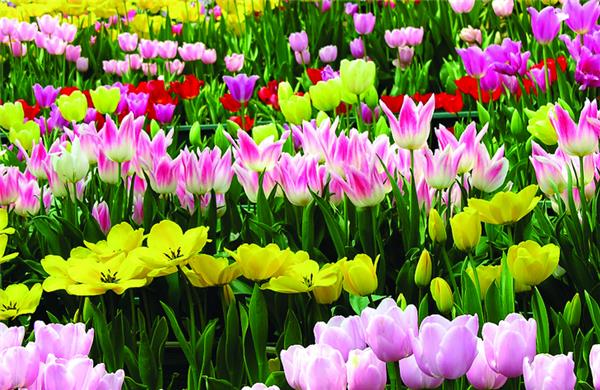
Each color of tulip has a different flower language, and among them red is the most loved by people, because red tulips represent love. So in life, if someone gives you tulips, then that person must be fond of you. Therefore, I believe that the beautiful moments of our lives should begin with red tulips.