Calla Lily Cultivation Methods and Precautions: How to Grow Calla Lilies
The calla lily has high ornamental value. Although the sap in its plant contains trace amounts of toxins, this does not prevent it from being one of the mainstream potted ornamental plants. Of course, besides being grown in pots for indoor viewing, it can also be planted in the ground.
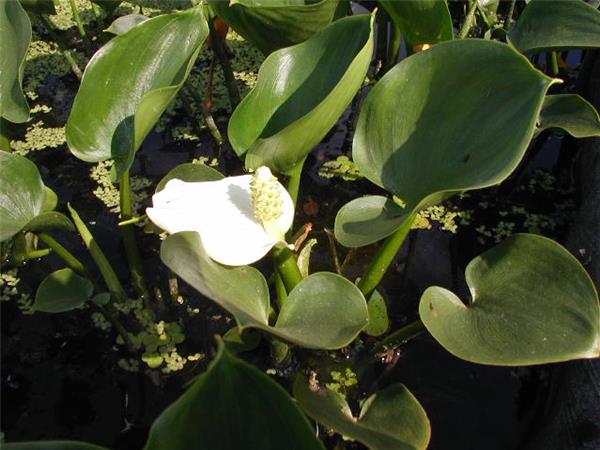
Calla Lily Cultivation Methods and Precautions
1. Seed corms should be of pure variety, with strong terminal buds, no mechanical damage, and no pests or diseases. The appropriate size for seed corms is about 25 corms per kg. When reserving seeds in the field, select plants with higher individual yields as seed stock.
2. Calla lilies are not suitable for continuous cropping. The lily field should be given plenty of organic fertilizer as base fertilizer, and the soil should be fertile clay soil. When plowing and flooding the field, mix in a large amount of organic fertilizer such as barnyard manure and green manure as base fertilizer, and form low beds 140-150 cm wide with furrows, or plant without forming beds. Throughout the entire cultivation process of calla lilies, the field water depth must be maintained at 3-5 cm.
3. From June to July, they enter the dormant period. At this time, watering should be reduced, and a relatively dry environment should be created for them as much as possible. After all the leaves have turned yellow and withered, take out the corms and store them in a ventilated, cool place, then plant them in pots again in autumn. If you do not want the calla lilies to go dormant, you can place them in a fully shaded and very well-ventilated place in late June for care. Spray water on the ground 2-3 times every noon and afternoon to lower the temperature. When the daytime temperature does not exceed 30°C, the calla lilies can continue to bloom.

4. Potted calla lilies are generally moved indoors in late October. Watering should be controlled, and the room temperature should be kept no lower than 10°C. Wash the leaf surfaces once a week with clean water at close to room temperature to keep the leaves fresh and green. If the air is dry, spray water around the flowers to increase humidity. In winter, pay attention to increasing light. To promote early spring blooming, water with 1-2 applications of dilute fertilizer solution in December.
5. Pay attention to applying potassium fertilizer as a top dressing. Generally, top dressing is applied 5-6 times, with an interval of 15-20 days each time. On the basis of applying sufficient organic base fertilizer, the early top dressing should be light; high concentrations can easily cause "stunted seedlings." From mid-July to mid-August, apply one heavy top dressing each time. These two applications need to include potassium fertilizer.
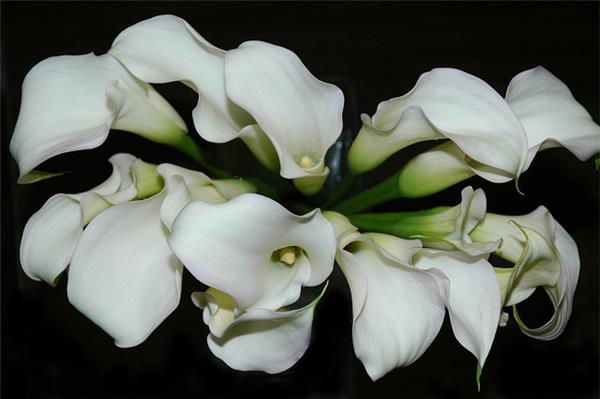
Prevention and Control of Common Pests and Diseases of Calla Lilies
1. Soft rot: The plant softens and rots away near the soil surface, causing leaves to wither upward and causing the fleshy tubers to develop soft rot downward, with the roots also rotting, and the whole plant suddenly wilting and dying. When the leaf edges are affected, they become soft and wet-rotted. When the flower stalk is affected, the flower turns brown, and the flower stalk softens, rots, and falls off. This is a bacterial disease.
Control techniques:
(1) At harvest, remove diseased corms, treat with 55-fold diluted 40% formaldehyde solution for 1 hour, dry, and then store.
(2) When diseased plants are found, promptly pull them out and burn them, and disinfect the soil around the diseased plants with 40-fold diluted 40% formaldehyde solution.
(3) The planting depth of tubers should not exceed 5 cm, and excessive water supply should be avoided.
2. Two-spotted spider mite: Also known as the cotton red spider mite, its hosts include sunflower, calla lily, Chinese rose, peach, asparagus fern, wintersweet, French marigold, hibiscus, rose, and others. The two-spotted spider mite sucks leaf sap on the underside of leaves. In mild cases, the leaves turn red as if burned by fire; in severe cases, leaves fall off.
Control techniques:
(1) Remove diseased leaves and dispose of them centrally.
(2) Spray with 1000-fold diluted 40% dicofol solution, or 2000-fold diluted 20% amitraz solution, or 1500-fold diluted 25% profenofos solution.
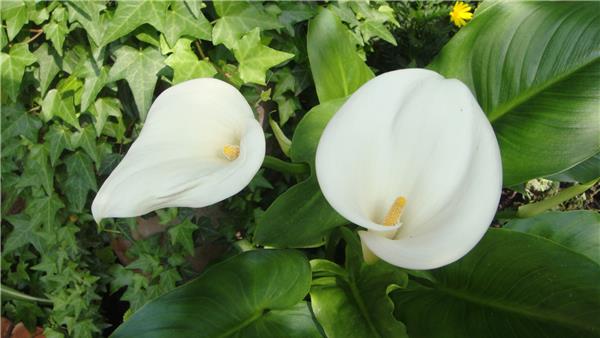
In addition, when ventilation is poor during the growing season, calla lilies are most prone to aphid damage. When pest damage occurs, spray with 1500-2000-fold diluted 40% omethoate emulsifiable concentrate for control, and pay attention to improving ventilation conditions. Calla lilies are susceptible to smoke damage. If they are placed in a room where a coal stove is used for cooking or heating, and they are often exposed to smoke, with a large amount of smoke covering the leaf surfaces, they will be damaged and turn yellow, affecting flowering. Therefore, attention should be paid to installing the chimney properly and keeping the air circulating to prevent smoke damage. So we should also pay more attention to these aspects.