How to grow orchids? A detailed guide to orchid cultivation methods
When growing orchids, pay special attention to the potting soil. It is best to use neutral to slightly acidic soil rich in humus, loose, and well-draining. "Bamboo root mud" and the leaf mold soil under broadleaf forests in mountainous areas are good choices.
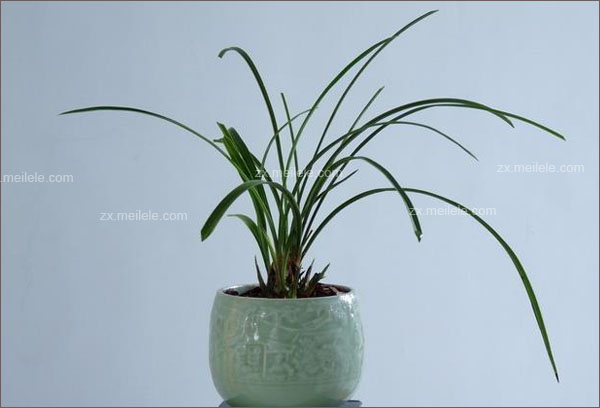
Not only should you pay attention to the soil for growing orchids, you also need to pay attention to where they are placed. Choose a spot with good ventilation, moist air, and no environmental pollution. Outdoor areas and balconies are both fine. But be sure to maintain the humidity, otherwise the orchids you grow will easily run into problems.
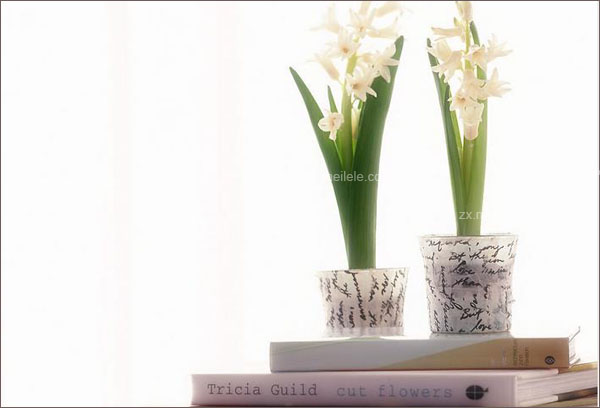
Besides potting soil and location, another thing to pay attention to when growing orchids is fertilizing. Fertilizing depends on the potting soil chosen and the growth condition. Those growing vigorously and free of disease can be fertilized, while poor-growing ones should not be fertilized or only given a small amount. Remember that in orchid cultivation, chemical fertilizers should be avoided, and fertilizing is also not suitable in hot seasons.
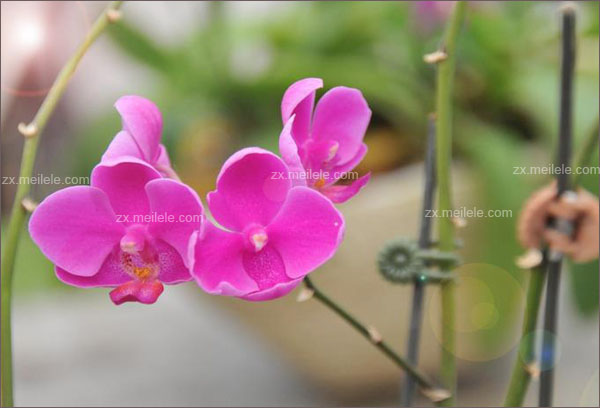
Throughout the process, watering is also a very important step. When watering, start from the edge of the pot, and be sure not to water into the flower buds. The amount of water should be determined by the temperature, the dryness or moisture of the potting soil, and the growth condition of the orchid. If the leaves are large, water a bit more; if the leaves are small and narrow, relatively speaking, water a little less.
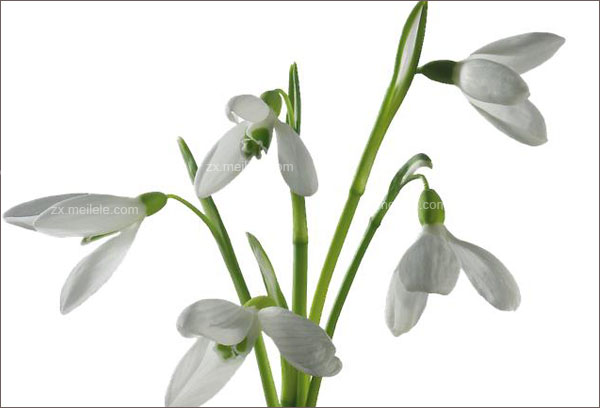
Conclusion: There is also a very important point. Orchids are most prone to southern blight in rainy and hot seasons. When there is only a small amount, it can be brushed off with a damp cloth; when there is a lot, it is best to use thiophanate, spraying once every 7-10 days. Only in this way will your beloved flowers not encounter unexpected accidents.
More information:
| What do white roses symbolize | What plants protect against computer radiation | Geranium | How to grow azaleas and points to note | Spider plant with golden heart |
| Lavender blooming period | Indoor foliage plants | Boston ivy | How to fold a lily | Mint's effects and functions | How to grow mimosa |
| How to grow succulents | Osmanthus | Effects and functions of Jiaogulan | Handmade roses | Effects and functions of honeysuckle | Kumquat |