[Plant Knowledge] What you must know about growing flowers at home
There is a great deal of knowledge about growing flowers, especially about growing flowers indoors. Below we will learn some of the more essential flower-growing knowledge from three aspects.
I. Health benefits of placing plants indoors
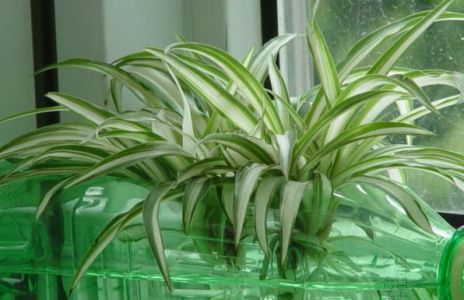
1. Absorbing toxic gases and purifying the air: Some indoor plants can effectively absorb the toxic chemical substances produced by home renovation. For example, spider plant (Chlorophytum comosum), snake plant (Sansevieria), cast-iron plant (Aspidistra) and monstera (Monstera deliciosa) have a particularly strong ability to absorb formaldehyde; snapdragon (Antirrhinum), morning glory (Ipomoea) and dianthus (Dianthus) can, through their leaves, use oxidation to convert highly toxic sulfur dioxide into non-toxic or low-toxicity sulfate compounds; sago palm (Cycas revoluta), chrysanthemum, pomegranate and camellia can effectively remove harmful substances such as sulfur dioxide, chlorine, ether, ethylene, carbon monoxide and nitrogen peroxide.
2. Increasing humidity and preventing dryness and heat: Generally speaking, indoor relative humidity should not be lower than 30%, because humidity that is too low or too high will both have adverse effects on human health. Growing some plants indoors that have high water requirements, such as pothos (Epipremnum aureum), ivy (Hedera helix), azalea (Rhododendron) and ferns, will increase indoor humidity in a natural way, making them a natural humidifier.
3. Natural dust collector: Research shows that orchids, caladium (Caladium bicolor) and redback christmas bush (Excoecaria cochinchinensis) are natural dust removers; the fine hairs on their plants can intercept and absorb airborne particles and smoke dust. If there are enough of these plants in a room, the levels of airborne microorganisms and floating dust in the room will both be reduced.
II. Points to note when buying flowers at the flower market
1. Check whether the potting soil is excessively dry. Apart from drought-tolerant flowers and plants, when buying it is best not to choose potted flowers whose potting soil is completely dry. These are either ones that have sat in the flower shop for too long, or ones that the flower shop deliberately does not water in order to save costs or reduce the plant death rate, selling whatever it can. Many flowers and plants are transported long distances from growing bases to the flower market, and water shortage is unavoidable along the way. Water shortage causes root withering, and once watered the roots rot. Flower shop owners are not fools; this kind of foolish task is best passed on to the buyer. Without watering, flowers and plants will have a false survival period, so you must pay attention when buying.
2. Check whether the branches and leaves show obvious signs of pruning. If so, consider that the shop has removed dead branches and withered leaves and kept the good ones to attract the eye. For flowers and plants with thick main stems, carefully pinch the stalks to see whether there is hollowness or peeling. For woody flowering plants with cut tops, check the healing at the cut end of the top to see whether there is rot or insect damage.
3. Look at the flower buds. For flowering types, pay attention to buying ones with more buds than open flowers, so the ornamental period after you take them home will be longer. Also, the buds and flowers must not be scorched or drooping; if they are, bargain down the price or do not buy.
III. Methods for cleaning flower leaves
1. Timing for cleaning leaves: The time to clean leaves is in the morning, so that the leaves have enough time to dry before nightfall, avoiding the leaves being in a moist environment for a period of time because of the lack of sunlight and lower temperatures at night.
2. Methods for cleaning leaves: A. Spraying method - use the impact force of the water flow from a sprayer to wash dust off the leaves. B. Wiping method - use a water-dipped sponge or cotton cloth to repeatedly and gently wipe dust and dirt off the leaves. C. Brush method - use a soft-bristled brush to brush dust off the leaves.
3. Points to note: The first two methods are not suitable for cacti, succulents and plants with fuzzy leaves. Once the leaves are wet, it is very difficult for them to evaporate, and even if you use a dry cloth to absorb the water, there is no guarantee they can dry within a certain period of time. Also, some flower buds that are afraid of water, such as the flower buds in the leaf clusters of African daisy (Gerbera jamesonii) and the pseudobulbs in the leaf clusters of clivia (Clivia miniata), should not get wet, especially during the sprouting and bud-setting stages, because contact with water will affect the development of the flowers.
Of course, merely mastering the relevant knowledge is still not enough. After mastering the knowledge, we also need to learn to apply it flexibly, so that the knowledge we have learned can become a tool to help us grow flowers and plants well.