The Difference Between Shrubs and Trees and a Detailed Guide to Their Different Pruning Methods
The difference between shrubs and trees can actually be identified at a glance, though some tree species with short, low trunks, although classified as shrub species, are also called small trees. For example, crape myrtle (Lagerstroemia indica) is one of them.
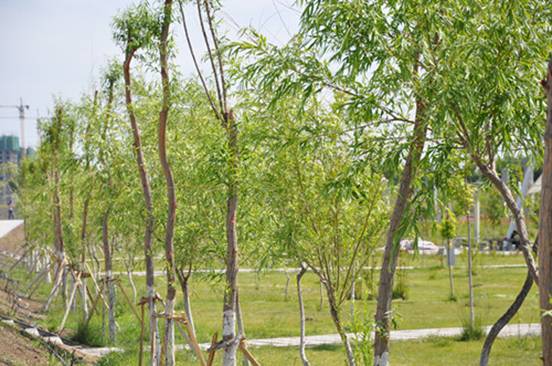
I. The Difference Between Shrubs and Trees
1. Height difference: Trees are tall, generally between 6 m and 10 m, with a distinct tall trunk. They can also be divided by height into four grades: giant trees (over 31 m), large trees (21-30 m), medium trees (11-20 m), and small trees (6-10 m). Shrubs are short (usually under 6 m), with a low trunk.
2. Difference in plant stem form: A woody plant with an upright trunk reaching over 5 m in height is called a tree. A woody plant with no obvious trunk that often sends out multiple branches from the base is called a shrub, such as rose, Chinese ixora (Ixora chinensis), azalea (Rhododendron), and tree peony (Paeonia suffruticosa).
3. Difference in trunk: A tree refers to a tall tree body with an independent trunk growing from the root, with a clear distinction between trunk and crown. A shrub refers to a short tree body with no obvious trunk, sending out many branches near the ground or growing in a clumping state.
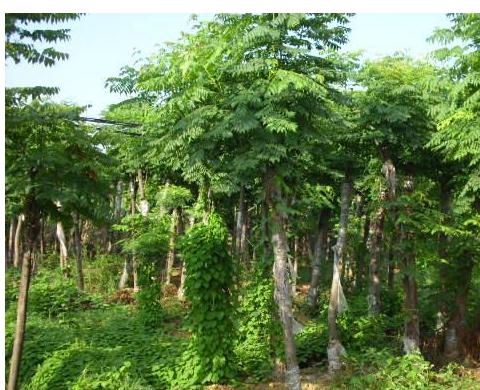
II. Pruning of Common Shrubs
Rose of Sharon (Hibiscus syriacus): It is generally pruned into a small tree. When planting, one main branch should be retained and the remaining clumping branches cut off. The trunk should not be left too tall; let side branches grow out from about 30 cm, keep 5-8 side branches per plant, and at the same time retain one central dominant branch. At this point, the branches all grow upright and upward, hugging tightly together. To expand the crown spread, the side branches should be shortened every early spring to encourage axillary buds to sprout and form more new side branches. As the number of inner-canopy branches increases, the side main branches also continuously spread outward, and the number of flowers will increase year after year.
Crape myrtle (Lagerstroemia indica): Pruning is mainly done on old branches that have already flowered, and must be carried out in spring after leaf drop and before sprouting. Any branch that has already flowered in the current summer and autumn and has already set fruit should be shortened by about two-thirds, retaining only 3-4 pairs of buds at the base, with a base stub length of about 8-10 cm as suitable.
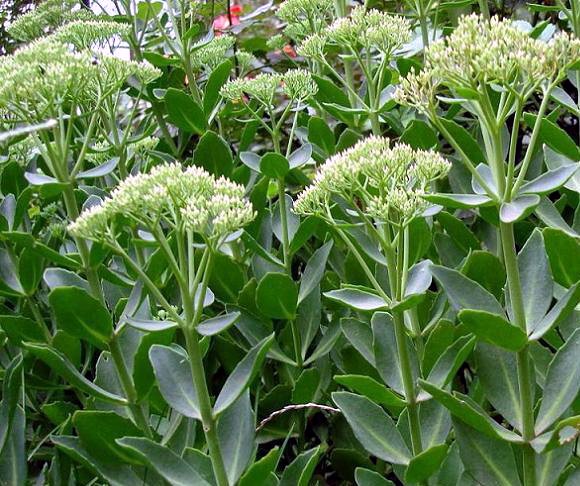
III. Pruning of Common Trees
Ginkgo (Ginkgo biloba): From the juvenile stage to maturity, it always maintains a natural conical crown. Young seedlings easily form a natural conical crown, with nearly whorled branches growing on the central leader; many branches grow around the same position, forming a "choking" phenomenon. The number of main branches is generally kept at 3-4, and it should be ensured that the retained main branches are staggered above and below - shortening upright-growing lateral branches promotes balanced growth of the main branches; on the basis of maintaining a certain height, cut off competing branches, dead branches, drooping old branches, overlapping branches, whorled branches, and twin branches. Gradually thin out excessive main branches on the axis and let them be evenly distributed on the central leader. There should be a certain gap between branches in position up, down, left, and right.
Chinese scholar tree (Sophora japonica): Select and retain strong, straight, upward-growing branches at the upper part of the central leader, cut off the curved and weak tip portion at the reserved pruning cut bud, and remove several lateral buds below the pruning cut bud, which can prevent competing branches in advance. When the trunk reaches a certain height, cut off the trunk, leaving 2-3 main branches. Each main branch is shortened to a length of 30 cm. After that, prune once every 2-3 years. Prune in a cup shape to make it round-headed; saplings shaped this way are shorter. When the trunk reaches a certain height, leave 2-3 main branches - during the growing season, pinch the trunk 2-3 times; each year the trunk grows upward by one section, then leave 2 main branches - however, one main branch on the lower part of the trunk should correspondingly be thinned out, so that the tree body controls the distribution of main branches through the central leader within a certain period, maintaining the entire leaf area unchanged.
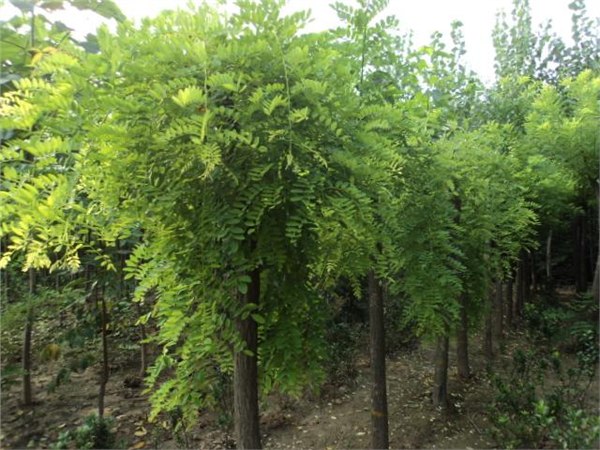
The differences between shrubs and trees create their different uses in landscape design applications. You must distinguish them and treat them separately, and then reasonably configure the two together, so as to create the most reasonable, most appropriate, and most beautiful landscape.