What are the effects and functions of black tartary buckwheat tea?
Tartary buckwheat tea has a notable effect of strengthening the stomach and aiding digestion, so it should be drunk after meals. If the drinker is in a hungry state and there is no food left in the stomach, drinking a large amount of tartary buckwheat tea will certainly aggravate the feeling of hunger, especially for people with low blood sugar, who will then experience the uncomfortable symptoms of a drop in blood sugar, so special attention is needed. So what are the effects and functions of black tartary buckwheat tea?
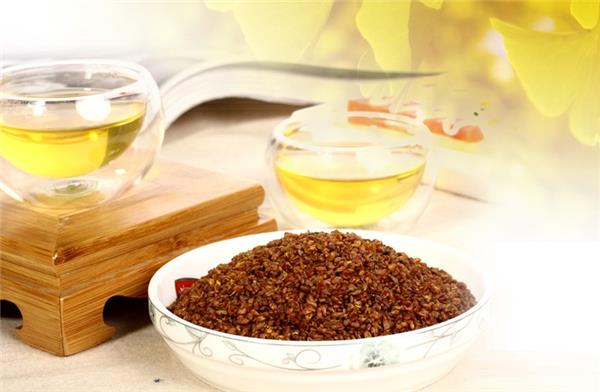
The effects and functions of black tartary buckwheat tea
1. Blood sugar-lowering effect: Tartary buckwheat bioflavonoids can promote the recovery of pancreatic beta cells, lower blood sugar and serum cholesterol, improve glucose tolerance against the blood sugar-raising effect of adrenaline, and at the same time they can also inhibit aldose reductase, so they can treat diabetes and its complications.
2. Blood lipid-lowering effect: The quercetin and other substances richly contained in tartary buckwheat bioflavonoids can lower triglycerides and total cholesterol, and reduce the atherosclerosis index.
3. Antibacterial and antiviral effects: According to research confirmation, the quercetin, morin and kaempferol richly contained in tartary buckwheat bioflavonoids have antibacterial and antiviral effects. In clinical application, this flavonoid has a remarkable curative effect on ulcers caused by various reasons, removing necrotic tissue and promoting tissue regeneration, and reducing inflammation and pain.
4. Antioxidant effect: The 3-OH, 5-OH, 4- group and the double bond at the 2,3 position play a leading role in inhibiting the auto-oxidation of oils. The ability to inhibit oil oxidation is quercetin > morin > rutin.
5. Anti-cancer and cancer-preventing effects: The quercetin and other flavonoid compounds richly contained in tartary buckwheat bioflavonoids achieve anti-cancer and cancer-preventing effects mainly through three pathways, namely anti-free radical action, directly inhibiting cancer cell growth, and anti-carcinogenic factors. The penta-hydroxy flavonoid contained in Tartary buckwheat bioflavonoids is a preferred drug for fighting cancer, preventing cancer and treating cancer.
6. Free radical-scavenging effect: Free radicals are the root source of cancer, aging, and degenerative cardiovascular and cerebrovascular diseases. Because tartary buckwheat flavonoid substances are easily oxidized, they have scavenging ability; they have five hydroxyl groups and can sufficiently serve as hydrogen donors to reduce free radicals, thereby achieving the purpose of scavenging free radicals and attaining the goals of preventing aging, fighting cancer and fighting cardiovascular and cerebrovascular diseases.
7. Improve heart and brain circulation, clear out waste from the body, eliminate fatigue, and restore energy.
8. Coarse grain dietary fiber increases the skin's antioxidant function, giving the skin a healthy glow and beauty and skin care benefits; it can likewise balance the nutritional distribution in the stomach and intestines and effectively treat constipation.
9. Grown at a pollution-free source in high-altitude cold mountain areas, a healthy coarse grain product, low in price, and suitable for long-term consumption.
Tartary buckwheat bioflavonoids can obviously and effectively increase the body's non-specific immune function and humoral immune function.
I. Liver-protecting effect
Tartary buckwheat bioflavonoids have a certain curative effect on acute and chronic hepatitis, cirrhosis, fatty liver, and toxic liver injury caused by galactosamine and CCL4, etc. Research shows that tartary buckwheat bioflavonoids have a significant inhibitory effect on the increase in liver malondialdehyde (MD, a product of lipid peroxidation in hepatitis) content caused by CCL4. They can reduce the increase in activity of soluble enzymes such as transaminases in liver cells due to leakage from the cells; the liver-protecting mechanism of tartary buckwheat bioflavonoids ultimately lies in their antioxidant and anti-free radical effects.
J. Anti-ultraviolet effect
The quercetin and other flavonoid compounds richly contained in tartary buckwheat bioflavonoids are a kind of light-blocking substance with the function of absorbing ultraviolet rays. They can protect biologically active substances such as ascorbic acid from oxidation and maintain their activity; they are an excellent antioxidant, and their chelating effect and gene expression function of reducing fat oxidative degeneration are obvious. In particular, this flavonoid has a particularly significant health-care effect on the skin, anti-aging and vascular health care, and anti-inflammatory effects, so some people call it a "skin nutrient." In recent years, people have also prepared Tartary buckwheat protein complex (TBPC) from tartary buckwheat and studied its nutritional components and anti-aging effects. The results are as follows: in the tartary buckwheat protein complex, the protein content is 63.4, fat 12.7, carbohydrates 10.2, ash 3.5, crude fiber 0.4, moisture 9.8. It also contains a variety of amino acids, with essential amino acids and non-essential amino acids for the human body accounting for about 45.8 of all amino acids, and it also contains certain fatty acids and trace elements and other substances.
Side effects of tartary buckwheat tea:
1. Tartary buckwheat can assist in regulating symptoms of excessive stomach acid, but tartary buckwheat is cold in nature, so people with a cold stomach or stomach disease who consume too much of it may experience acid reflux and diarrhea.
2. A small number of people may experience allergic symptoms such as skin itching, dizziness and asthma after eating buckwheat foods, so those with a history of black tartary buckwheat allergy should consume it cautiously.
3. The rutin naturally contained in the natural raw materials of tartary buckwheat stems, leaves, flowers and fruits may have blood pressure-lowering, blood sugar-lowering and blood lipid-lowering effects, so patients with low blood pressure, low blood sugar and severe thinness should consume it cautiously.
That is all for the introduction to the effects of black tartary buckwheat tea. In fact, tartary buckwheat tea is a sugar-free food with a wheat aroma similar to biscuits (absolutely not bitter), with a fresh and mellow taste, leaving fragrance on the cheeks and teeth after tasting.
But tartary buckwheat is cold in nature, so people with a cold stomach or stomach disease who consume too much of it may experience acid reflux and diarrhea.2. A small number of people may experience allergic symptoms such as skin itching, dizziness and asthma after eating buckwheat foods, so those with a history of black tartary buckwheat allergy should consume it cautiously.
3. The rutin naturally contained in the natural raw materials of tartary buckwheat stems, leaves, flowers and fruits may have blood pressure-lowering, blood sugar-lowering and blood lipid-lowering effects, so patients with low blood pressure, low blood sugar and severe thinness should consume it cautiously.
That is all for the introduction to the effects of black tartary buckwheat tea. In fact, tartary buckwheat tea is a sugar-free food with a wheat aroma similar to biscuits (absolutely not bitter), with a fresh and mellow taste, leaving fragrance on the cheeks and teeth after tasting.