What types of cactus balls are there? A full analysis of common varieties
The cactus ball is a dicotyledonous plant and belongs to the Cactaceae family in plant taxonomy. There are many types, about 40 or more varieties, with different spherical shapes, including spherical stems and oval shapes, with vertical ribs arranged in a radial pattern; the spines also differ in length, density and sparseness; the flower colors include golden yellow, white, red and other colors. In spring and summer, large long trumpet-shaped flowers bloom from the stem. Small offsets can grow on the body of the ball. Here is a brief introduction to some common cactus ball varieties:
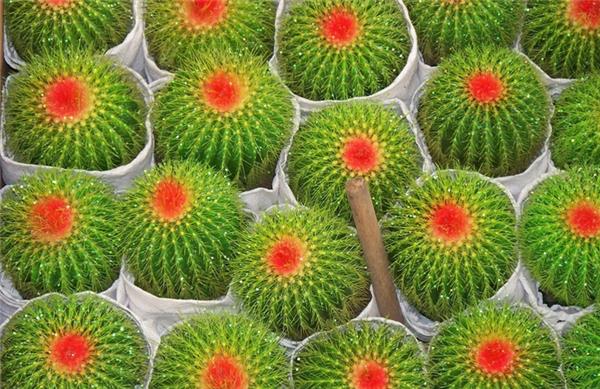
I. Types of cactus balls
1. Cactus ball: also known as grass ball, Echinopsis multiplex. The stem is round and spherical, the old stem is barrel-shaped, and the flowers are white and fragrant.
2. Short-haired ball: the plant is spherical or cylindrical, and after blooming the flowers are very large and white in color.
3. Echinopsis tubiflora: the body is yellow-green or pale green, the flowers are large, light pink, and fragrant.
4. Golden ball: the body is yellow-green, clustering, with large white flowers.
5. Vigorous ball: the plant is gray-green, spherical or cylindrical, with large flowers in dark pink or deep red.
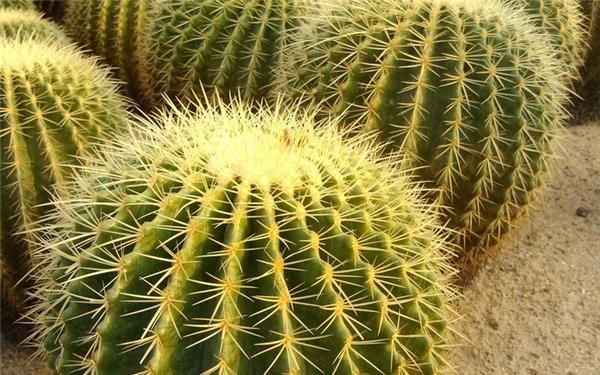
6. Golden tiger ball: the stem is round and spherical, solitary or forming clumps. The top of the ball is densely covered with golden-yellow wool. There are 21-37 ribs, prominent.
II. Daily care of hydroponic cactus balls
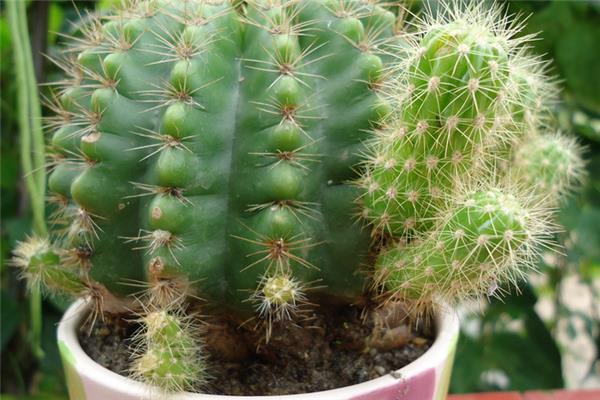
The hydroponic cactus ball has a spherical or oval stem, green, with several vertical ribs on the body, and the ribs are densely covered with yellow-green spines of varying lengths arranged in a radial pattern. The body often produces many small offsets on the side, with a graceful and elegant shape. Pairing: transparent glass bottle. The hydroponic cactus ball is called a "lazy person's flower" for being trouble-free and convenient, so its daily care is very easy. Just pay attention to the following points:
1. Suitable environmental temperature: the growth temperature of hydroponic plants is 5°C-30°C, and they can grow normally within this range.
2. Suitable lighting: hydroponic plants mainly need scattered light, and do not necessarily have to be exposed to the sun. In summer, direct sunlight should be avoided as much as possible.
3. Changing water and cleaning the plant roots: for hydroponic plants, change the water about once every 7 days in summer and about once every 10-15 days in winter, and add a few drops of special nutrient solution for hydroponic flowers (prepare the nutrient solution concentration according to the instructions). The containers used to grow hydroponic plants are prone to growing moss, which affects the ornamental value of the roots and also consumes oxygen in the water. When changing the water, first wash away the mucus on the plant roots with clean water, and cut off old roots and rotten roots. Also scrub the moss on the container and roots clean. Each time you change the water, the water level should preferably submerge 1/2-2/3 of the root system, and let the remaining root sections remain exposed to the air.
4. Moisturizing and spraying foliar fertilizer: to prevent the leaves from drying out, during daily care, spray the leaf surface with clean water to keep it moist. It is best to spray foliar fertilizer once a week, which can not only provide nutrients to the leaves and increase leaf gloss, but also help resist low temperatures in winter.
III. Do cactus balls protect against radiation?
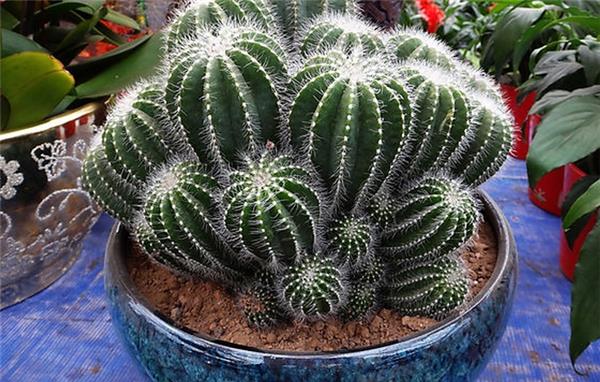
In the flower gardening world, the spherical varieties among cactus plants are customarily called cactus balls; the cactus ball is a plant whose stem, leaves and flowers all have high ornamental value. Traditional cactus balls are planted in deserts, while hydroponic cactus balls cultivated through plant aquatic mutation technology allow you to appreciate both its tender white root system and the cute small fish swimming among the roots. It is truly pleasing to the eye. It is an artistic masterpiece among hydroponic flowers.
In fact, what the sun emits is light radiation, not the electromagnetic wave radiation emitted by computers. Cacti also evolved spiny leaves only to avoid being burned by sunlight, which cannot serve as a basis for claiming they can protect against radiation. Moreover, radiation travels in straight lines and can only be blocked, not absorbed. So even if cactus plants themselves can resist radiation, a small plant cannot play a shielding role, let alone help humans protect against radiation. Experts tell us that the so-called radiation protection by plants has no scientific basis whatsoever. Perhaps the negative oxygen ions released by plants can offset part of the effect of radiation on human metabolism, but saying it can protect against radiation is just a commercial gimmick. Still, these cute little potted plants placed on a desk can indeed lift your mood.
After reading this article, I believe everyone has gained some understanding of cactus ball varieties and cultivation. The above is an introduction to cactus ball varieties, cactus ball cultivation, and their effects, and I hope it can be helpful to everyone.