How to Grow Golden Barrel Cactus? A Detailed Guide to Cultivation Methods
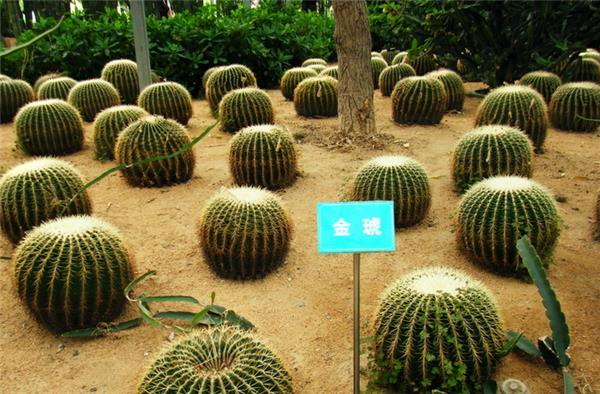
The golden barrel cactus (Echinocactus grusonii) is a fairly common type of cactus, also known by some as the grass ball, Everlasting ball, and so on. How to grow the golden barrel cactus is the first thing new growers of this plant need to understand. Relatively speaking, the golden barrel cactus is quite easy to care for, though it does often develop etiolation and leggy growth.
I. Cultivation Methods for the Golden Barrel Cactus
The golden barrel cactus prefers sandy loam soil containing lime. You can mix equal parts coarse sand, loam, leaf mold, and a small amount of aged wall ash. Once a year, you should repot it, change the soil, and trim away old roots. In mid-March, take the ball out of the pot, trim off the old roots, and be careful not to damage the main root. After trimming, place the plant in a ventilated spot to air-dry for 4 to 5 days so the cut surfaces dry out. For the new potting soil used in repotting, it is best to use fermented livestock and poultry manure as a base fertilizer, add coal ash, plant ash, and a small amount of animal bone meal, and mix thoroughly. The pot should be disinfected by sun exposure, boiling, or spraying with chemicals to prevent the ball from rotting.
Summer is the peak growing season for the golden barrel cactus, and its water needs increase. In dry spells, water frequently, preferably in the early morning and evening. Never water with cold water at the hot midday, as this easily causes the plant to "catch a chill" and become diseased. If the potting soil is too dry at noon, just spray a little water to moisten the soil surface; do not spray water on the top of the ball or on grafted areas, to avoid water accumulating and causing rot. During the growing season, apply a dilute fertilizer solution containing nitrogen, phosphorus, and potassium 1 to 2 times about every half month, combining it with watering. Organic fertilizer must be fully decomposed and used at an appropriate concentration.
II. Precautions for Growing the Golden Barrel Cactus
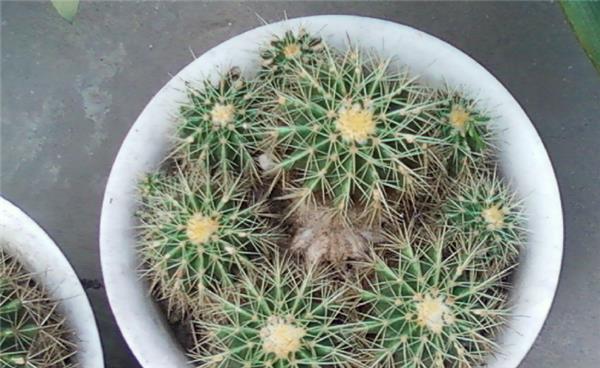
During the growing season, the golden barrel cactus can be watered thoroughly, but the soil should alternate between dry and moist. Each watering must wait until the potting soil is completely dry before watering again, and be careful not to splash water on the ball itself. In midsummer, provide appropriate shade, and during the growing season give plenty of water and fertilizer. The view that cacti never need any water or fertilizer at any time is one-sided and unfavorable to their growth.
The golden barrel cactus requires loose soil with moderate fertility, a neutral or slightly acidic pH, and rich organic matter. Bagged soil is available on the market, or you can mix your own:
① 3 parts loam, 2 parts leaf mold or peat soil, 1 part sifted bone meal, 4 parts coarse sand;
② 3 parts coarse sand, 3 parts garden soil, 2 parts leaf mold, 1 part calcareous material, 1 part crushed brick or tiles, with a little superphosphate, charcoal granules, or bone meal added.
Once the golden barrel cactus reaches 20 cm in diameter, it must be repotted and have its soil changed once a year. For balls under 20 cm in diameter, the soil can be changed once every 2 to 3 years, and at the same time cut away dried-out and overly long old roots. When repotting, a pot slightly larger in diameter than the ball is sufficient. It is best to replace the old soil; if conditions do not allow it, you can turn and sun-dry the old soil, sift it, and add base fertilizer and an appropriate amount of calcareous material to replenish nutrients and raise the soil's alkalinity.
III. Common Problems in Growing the Golden Barrel Cactus
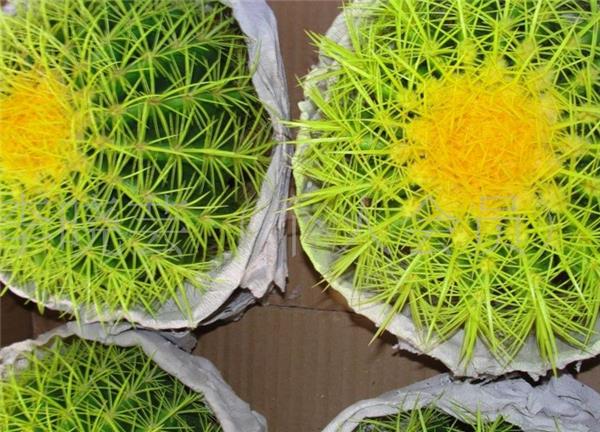
Among the cultivated varieties are the white-spined golden barrel cactus, the wild-spined golden barrel cactus, the bare barrel cactus, the fierce barrel cactus, and the variegated golden barrel cactus. Species in the same genus include the large golden barrel cactus, the rock cactus, the spring thunder cactus, and the ghost head cactus. The golden barrel cactus likes warmth, sunlight, and dryness; it fears cold, dislikes moisture, and prefers calcareous soil. Cultivation and management should follow its habits. Because the golden barrel cactus likes a hot, dry environment, in winter the indoor temperature during the day should be kept above 20 degrees, and the nighttime temperature should not drop below 10 degrees. Too low a temperature easily causes root rot, but too high a temperature easily leads to scale insect infestations. It requires plenty of sunlight, but in summer it must not be exposed to strong direct sun and needs appropriate shading.
When cultivating, choose a well-drained sandy loam soil. For indoor cultivation, artificial potting soil is often used. The soil should be fertile; in addition to leaf mold and coarse sand, the nutrient soil should include some calcareous material. Also add some decomposed manure. In addition, the golden barrel cactus is afraid of waterlogged potting soil, so generally keep to the watering principle of "water thoroughly only after the soil has dried out completely." When changing the potting soil, trim away part of the old roots and let the plant air-dry for 4 to 5 days before replanting. Do not plant it too deep; it is best to keep the root crown of the ball level with the soil surface.
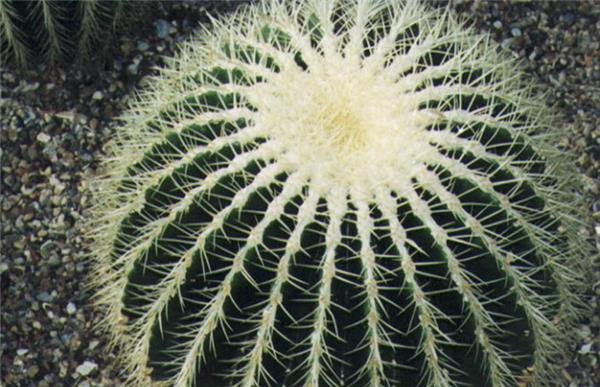
Potted golden barrel cacti can grow into neat, large specimen balls. Displayed in a hall, they look all the more splendid and golden, making them an excellent choice among indoor potted plants. Today we have roughly covered how to grow the golden barrel cactus, and I hope it has been helpful to you.