Ivy care methods and precautions
Ivy has lush branches and leaves and stays evergreen all year round, making it quite distinctive. In addition, ivy has the ability to absorb harmful substances and is one of the essential plants for home growing. Below, we focus on explaining how to grow ivy so your home can stay evergreen all year round.
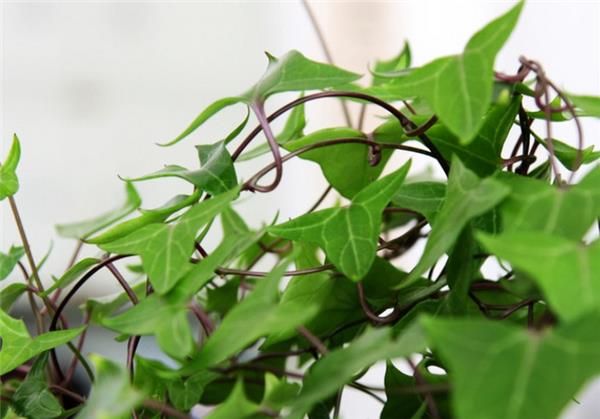
I. How to grow ivy
Ivy is not difficult to grow; you just need to grasp its characteristics well: ivy is a typical shade-loving climbing flower and shrub, and cannot be exposed to direct strong light. Hot, humid, stuffy weather is very unfavorable to the growth of ivy. From July to August, when the temperature rises above 30°C, it stops growing. At this time, do not water frequently just because the temperature is high; wait until the potting soil is dry before watering, following the principle of "alternating dry and wet." At the same time, fertilization should be stopped during the high-temperature season to avoid scorching the leaves. Right now is the peak growing season for plants, and especially so for ivy, so it needs more water; it requires plenty of water and fertilizer to grow quickly. Many leaves turning yellow and falling off, and the pot becoming noticeably lighter, fully indicate that there was too little watering and the plant dried to death. You must water more; as long as there is no standing water in the pot, you cannot say there is too much water.
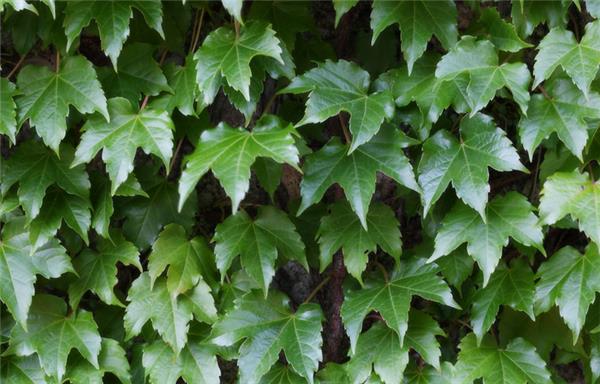
II. Ivy care precautions
Ivy care methods - fertilizing
Growth stage: apply dilute cake fertilizer water once about every half month, or spray a 0.2% potassium dihydrogen phosphate solution on the leaves.
Ivy care methods - watering
For routine watering, just follow the principle of watering when dry and stopping when wet. In summer, more watering is needed, and the plant should be sprayed with water frequently to raise air humidity and promote plant growth. In winter, when indoor temperatures are low, watering should be controlled. In the winter in the north, the air is relatively dry, so during overwintering it is best to spray and wash the branches and leaves with clean water close to room temperature.
Ivy care methods - temperature and light
Ivy is not very demanding about light. Growing it under semi-light conditions allows it to grow very well. In spring and autumn, letting ivy see more sunlight in the early morning and evening is beneficial to its normal growth and keeps the leaves green and vivid. But you still need to be careful to avoid direct strong light.
The suitable growth temperature for ivy is 20-25°C. It is not cold-tolerant and fears heat. In winter, the room temperature is best kept above 10°C, and must not be lower than 5°C.
III. Ivy's effects and functions
A healthy and eco-friendly ornamental plant
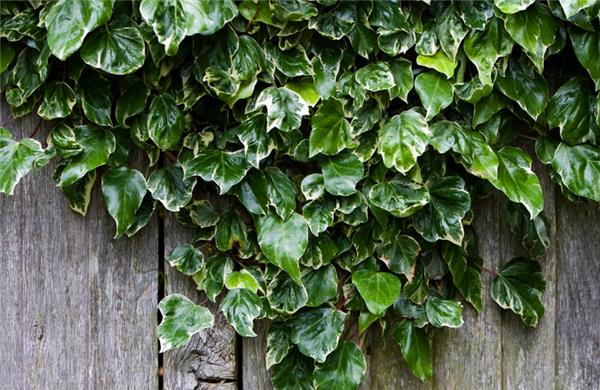
Ivy is most often used for planting on outdoor walls or in courtyards, or grown indoors in hanging baskets. No matter where it is, it has strong vitality, climbing like a gecko and spreading out like a spider web. Every year in late spring and summer, we see a stretch of emerald green. Its leaves are like maple leaves, and when it blooms it also opens small pale yellow-white flowers, very beautiful and fresh. It has become a popular landscaping ornamental plant. Whether outdoors or indoors, it can bring a stretch of emerald green and bring hope. Especially indoors, it is a very eye-catching green plant that can play a role in decoration and beautification, and can enhance the naturalness and freshness of the owner's living environment. Moreover, it is also a very healthy and eco-friendly ornamental plant. It can not only green the environment but also purify the air, absorb indoor waste gases, and release oxygen through photosynthesis, among many other functions.
It has good medicinal value
Ivy also has good medicinal value. The whole plant can be used as a traditional Chinese medicine. It can clear heat and reduce internal heat, has a good protective and nourishing effect on the human liver, relieves pain in body parts, and can also reduce swollen abscesses and has a good disinfecting and sterilizing effect. In addition, ivy also has a good beauty effect, able to firm the skin and reduce edema.
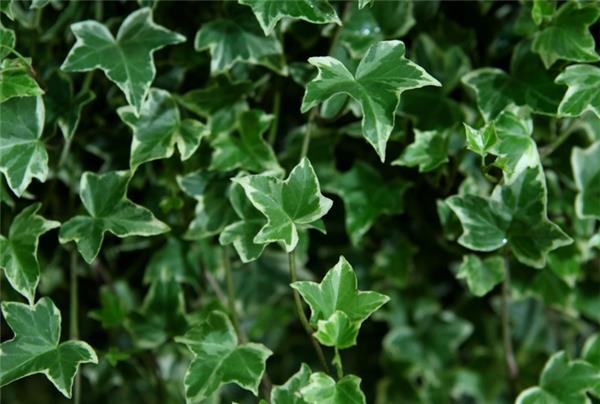
Ivy is a rather popular large indoor potted flower and shrub, especially placed in relatively spacious living rooms, studies, and sitting rooms, with an elegant, simple style and a southern charm. It is a world-famous new-generation indoor foliage plant with a graceful and neat plant shape. Ivy can purify indoor air and absorb harmful gases such as benzene and formaldehyde released by furniture and decoration, bringing great benefits to human health.