What medicinal value and effects does aloe have?
Aloe is a perennial evergreen succulent herbaceous plant of the Liliaceae family. Aloe is a miraculous green plant that combines beauty care, ornamental value, edible use, and environmental protection, and is called the "natural beautician," "multi-purpose medicine," and "home health kit." I guess you can't wait any longer, so let's not delay and take a look at the medicinal value of aloe.
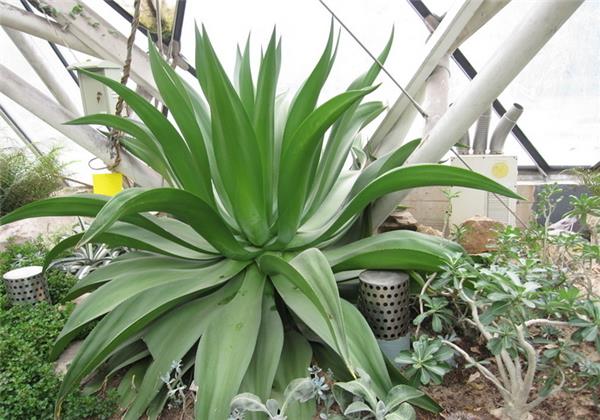
I. The medicinal value of aloe
1. Bactericidal effect: Aloe contains a substance called aloes tincture, which is a strongly antibacterial substance. It can kill ordinary bacteria and fungi, and can inhibit the reproduction of pathogens.
2. Anti-inflammatory effect: The bradykininase in aloe can resist inflammation and has a very good therapeutic effect on chronic diseases such as dermatitis and bronchitis.
3. Stomach-strengthening and laxative effect: Substances in aloe such as aloe-emodin glycoside and aloe-emodin can promote eating, increase appetite, help gastrointestinal digestion, and have a mild laxative effect on the large intestine. Long-term aloe baths or eating aloe can prevent and treat ordinary diseases.
4. Detoxifying effect: The components of aloe can promote the liver's breakdown of toxins in the body, inhibit excessive immune reactions, and clear metabolic waste from the body. Moreover, aloe can treat illness and also has the effect of regenerating new cells.
5. Analgesic and sedative effects: Aloe has analgesic and sedative effects. In cases of toothache or swollen and painful fingers, applying an aloe leaf to the affected area can eliminate swelling and pain, and it is effective for neuralgia, gout, and muscle pain. In addition, taking aloe orally can also treat hangovers and motion sickness.
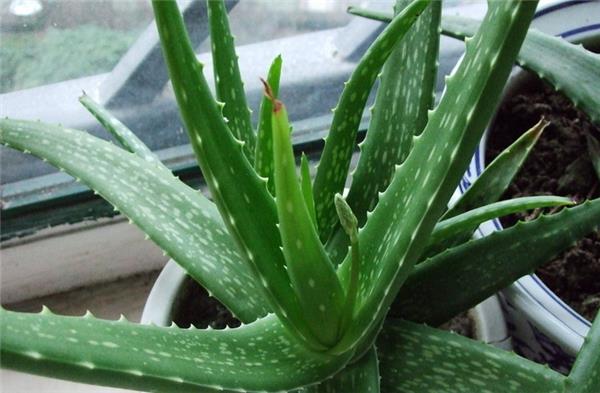
II. How to grow aloe
Soil
Aloe requires good water permeability and air permeability, high organic matter content, and a pH value of 6.5-7.2. Aloe likes to grow in loose soil that drains well and does not easily harden. Ordinary soil can be mixed with some gravel and ash residue, and it is even better if leaf mold and grass ash can be added. Soil with poor drainage and air permeability will obstruct root respiration, causing rot and necrosis, but overly sandy soil often causes the loss of water and nutrients, making aloe grow poorly.
Light
It likes light, tolerates partial shade, and avoids direct sunlight and excessive shade. Aloe needs sufficient sunlight to grow. It should be noted that newly planted aloe is not yet suitable for sun exposure. It is best to let it see sunlight only in the morning, and after ten days to half a month it will slowly adapt and thrive in the sun.
Temperature
Aloe fears cold, as it has long grown in environments without frost all year round. The suitable growth environment temperature is 20-30°C, and the best nighttime temperature is 14-17°C. Growth stops at around 5°C, and at 0°C the life processes are impaired. If the temperature is below 0°C, the leaf flesh will freeze and all of it will wilt and die. The most suitable temperature for growth is 15-35°C, and the humidity is 45-85%.
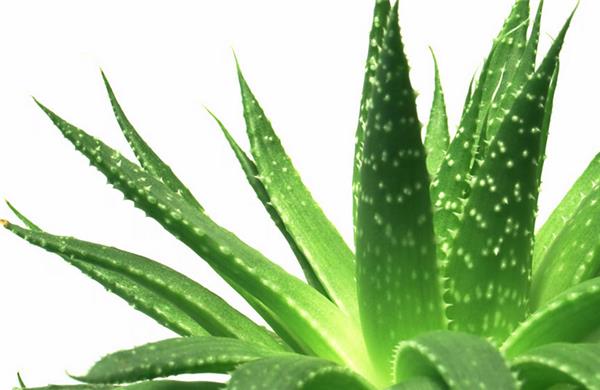
Water
Aloe has a strong drought resistance, and aloe removed from soil can be kept dry for several months without dying. During the growth period, aloe needs sufficient water, but it is not tolerant of waterlogging.
Like all plants, aloe also needs water, but it fears water accumulation most. In rainy and humid seasons or under poor drainage conditions, the leaves are very likely to shrink, and the stems and roots to rot, even leading to death.
III. Common problems in aloe cultivation
1. Although aloe likes places with abundant sunlight, we cannot expose it to the scorching sun. It should be planted in a place with mild but bright sunlight.
2. We cannot be too "overindulgent" with aloe, such as watering it excessively. Generally, we should not water too frequently, nor water too much at one time. We should water appropriately and loosen the soil properly.
3. When we use aloe, it is best to cut off the aloe to be used from the root rather than cutting it directly from the middle, to avoid rotten leaves and rotten roots.
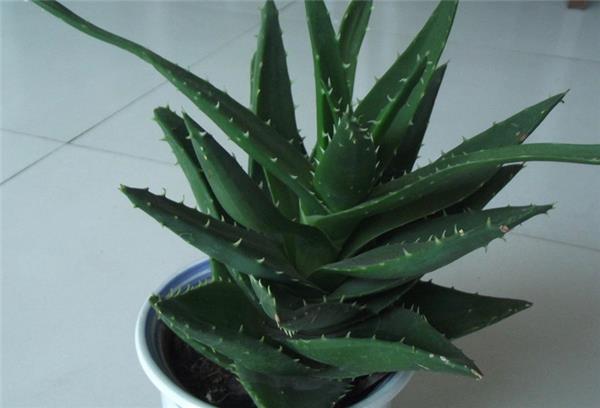
The above content is about the medicinal value of aloe and some aloe cultivation methods. Were you charmed by it? A special reminder: not every kind of aloe has medicinal effects. When you are sick, do not just grab this lovely creature and chew on it. You still need to see a doctor!