What are the effects and impacts of phosphate fertilizer on plants?
Phosphate fertilizer is one of the most common types of fertilizer. Phosphate fertilizers can be classified according to their properties and solubility, and different phosphate fertilizers should be used for different plants and their growth methods. For example, chemical phosphate fertilizers are mostly used for ground planting, while natural phosphate fertilizers are mostly used for indoor potted plants, and so on.
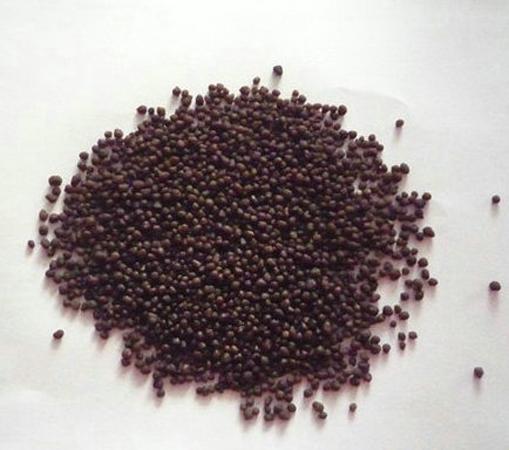
I. Classification of phosphate fertilizers
1. Natural phosphate fertilizers, such as guano, animal bone meal and fish bone meal, etc.;
2. Chemical phosphate fertilizers, such as superphosphate, calcium magnesium phosphate, etc.
According to the solubility of the phosphate salts they contain, they can be divided into:
1. Water-soluble phosphate fertilizers, such as ordinary superphosphate, triple superphosphate, etc. Easily soluble in water, with relatively fast fertilizer effect.
2. Citrate-soluble phosphate fertilizers, such as precipitated phosphate fertilizer, steel slag phosphate fertilizer, calcium magnesium phosphate fertilizer, defluorinated phosphate fertilizer, etc. Insoluble in water but soluble in 2% citric acid solution, with relatively slow fertilizer effect.
3. Sparingly soluble phosphate fertilizers, such as bone meal and phosphate rock powder. Insoluble in water and 2% citric acid solution, and can only take effect after gradually transforming into monocalcium phosphate or dicalcium phosphate in the soil.
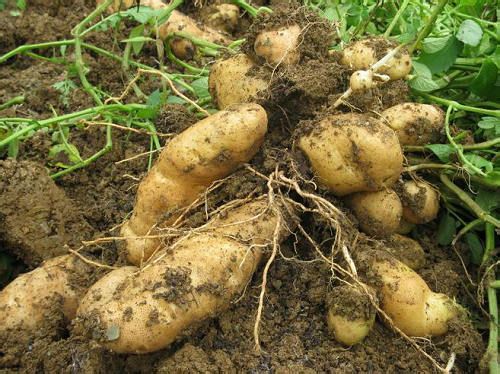
II. Effects of phosphate fertilizer on plant growth and development
1. Phosphorus can promote the division and proliferation of cells at root growth points. When phosphorus nutrition is sufficient at the seedling stage, the number of secondary roots increases. The effect of phosphorus on root growth is mainly shown not in changes in root weight, but in differences in the effective area per unit root weight. Under low-phosphorus conditions, the radius of roots decreases and the specific surface area per unit weight increases, thereby improving the root system's absorption of phosphorus.
2. Phosphorus is a constituent element of nucleic acids, phospholipids, phytin and adenosine phosphate in crops. These organic phosphorus compounds play an important role in crop growth and metabolism. Normal phosphorus nutrition is conducive to the formation of nucleic acids and nucleoproteins, accelerates cell division and proliferation, and promotes the growth of the vegetative body.
3. The level of phosphorus nutrition will affect the content of hormones in plants, and phosphorus deficiency affects the transport of plant hormones from the roots to the aboveground parts, thereby inhibiting flower bud formation.
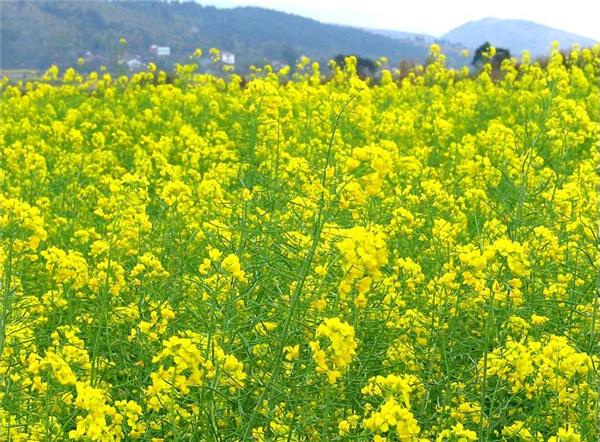
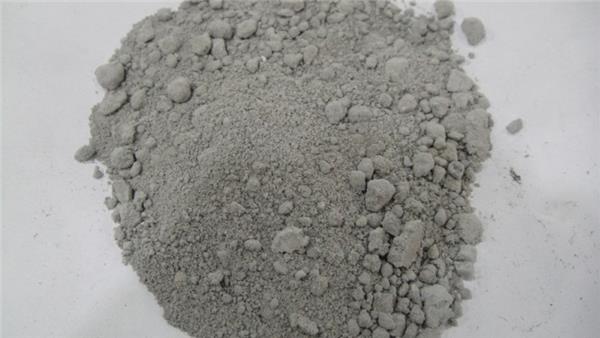
III. Methods for identifying nitrogen, phosphorus and potassium fertilizers
1. Commonly used nitrogen fertilizers and potassium fertilizers are generally white crystals (imported potassium chloride often has a red color, and lime nitrogen is black), and are soluble in water. Commonly used phosphate fertilizers are gray powders, insoluble or partially soluble in water.
2. If further distinguishing nitrogen and potassium chemical fertilizers is needed, the fertilizer can be ground into powder, take a small amount and place it on a small iron piece and burn it. If it can burn, melt or give off white smoke, it is nitrogen fertilizer; if it does not burn but jumps or makes a crackling sound, it is potassium fertilizer. At this point, nitrogen fertilizer, phosphate fertilizer and potassium fertilizer can be roughly distinguished.
IV. Homemade nitrogen, phosphorus and potassium fertilizers in daily life
1. Nitrogen fertilizer is the main fertilizer that promotes the growth of flower roots, stems and leaves. Those beans, peanuts, melon seeds that cannot be eaten, as well as hemp seeds, small hemp seeds and other oil crops, are all very good nitrogen fertilizer materials. If these things are fermented and decomposed, diluted with water, and poured into the soil, they will promote the vigorous growth of flowers.
2. The raw materials for phosphate fertilizer include fish bones, bones, eggshells, the guts and scales of freshwater fish, cut hair, nails, etc. Mix these miscellaneous items evenly into the flower soil in an appropriate amount, or after fermentation and decomposition, dilute with water and pour into the pot soil, and they will make flowers brightly colored, glossy, and full-fruited.
3. Applying potassium fertilizer can increase flowers' ability to resist lodging and prevent pests and diseases. Rice washing water, leftover tea water, and water from washing milk bottles are all very good potassium fertilizers, and also contain certain components of nitrogen and phosphorus.
Using fertilizer effectively and correctly can make plants grow faster and healthier, so in the process of growing plants, learning some fertilizer knowledge is also quite important. And learning to make homemade pollution-free natural fertilizer can also protect the indoor environment and human health from the harm of chemical fertilizers when growing flowers at home.