Names of Green Vegetable Varieties and an Introduction to Their Nutritional Value
Green vegetables can help people maintain a healthy and good physical condition, so parents always hope that their children will not be picky eaters and will eat more green vegetables, so that their nutrition can be balanced, which is good for the children's development. There are a great many varieties of green vegetables, so let us take a detailed look below.
I. The Nutritional Value of Green Vegetables
Calcium: The calcium in green vegetables is the highest among all leafy green vegetables, 2 times that of Chinese cabbage, and eating them regularly can promote bone development. Leafy greens are also rich in vitamin K, which helps calcium be deposited into the bones.
Crude fiber: Green vegetables contain a large amount of crude fiber. After entering the human body and combining with fat, it can prevent the formation of plasma cholesterol and promote the excretion of cholic acid, a cholesterol metabolite, from the body, thereby reducing the absorption of lipids, reducing the formation of atherosclerosis, and lowering blood lipids, thus maintaining blood vessel elasticity.
Carotene: Green vegetables contain a large amount of carotene (1 times more than beans, 4 times more than tomatoes and melons, and 74 times that of Chinese cabbage). After entering the human body, it can promote skin cell metabolism, prevent rough skin and pigmentation, and make the skin bright and clear. It also delays aging.
Vitamin C: The vitamin C contained in green vegetables forms a kind of "hyaluronic acid inhibitor" in the body. This substance has anti-cancer effects and can make cancer cells lose their vitality. Vitamin C can also prevent gum shrinkage and bleeding. It can also protect the cardiovascular system and inhibit melanin growth.
II. Varieties of Green Vegetables
Green vegetables are divided by leaf stalk color into two types: white-stalked greens and green-stalked greens. White-stalked greens have green leaves and white leaf stalks, grow upright, and have a crisp and tender texture with little bitterness and a slight sweetness. Green-stalked greens have green leaves and light green leaf stalks that are flat and slightly concave, plump and upright, with a short plant and thick leaves. They have a crisp and tender texture with a slight bitterness.
The green vegetables we often eat include: lettuce, A-choy, water spinach, crown daisy, white amaranth, purple amaranth, choy sum, baby bok choy, cabbage, spring vegetable, snow mustard, spinach, baby napa cabbage, cilantro, cauliflower, broccoli, pea shoots, and so on.
Leafy green vegetables: spinach, garland chrysanthemum, leafy vegetables, celery, cilantro, fennel, lettuce, bitter vegetable, chicory, shepherd's purse, garden orache, amaranth, water spinach, and so on.
Chinese cabbage greens: Chinese cabbage, wuta-tsai, purple choy sum, choy sum, and tai cai, and so on.
Brassica greens: including head cabbage, kale, Brussels sprouts, cauliflower, broccoli, kohlrabi, and Chinese kale, and so on.
Mustard greens: including 6 varieties, namely root mustard, stem mustard, leaf mustard, stalk mustard, sprout mustard, and seed mustard, and so on.
Onion and garlic greens: including Chinese chives, onion, scallion, garlic, Chinese chives, chives, and shallot.
III. Varieties of Green Vegetables That Can Be Grown on a Home Balcony
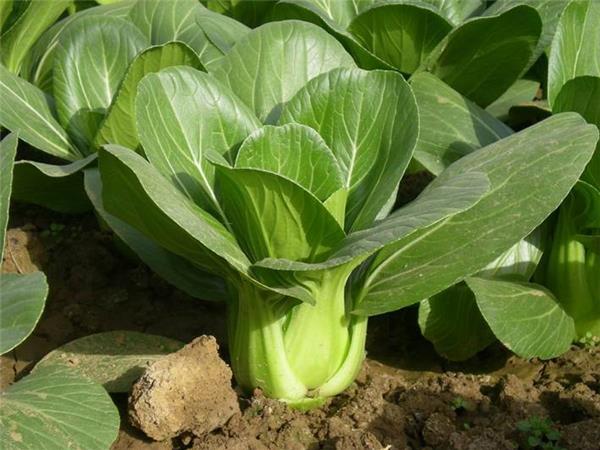
Baby bok choy: It is said that baby bok choy can be eaten 20 days after being planted. It has a refreshing taste and is absolutely fresher and more crisp than what is bought in the market. One thing to note is that after the true leaves of baby bok choy grow out, pest control must be carried out several times, so that the edible leaves that grow later will be very healthy! Very beautiful! Baby bok choy is indeed a vegetable that grows madly even when planted in a flowerpot. Of course, if conditions allow, it is better to give it some fertilizer.
Cilantro: Cilantro is relatively simple to grow, harvested in 20-30 days, and grows well on its own without much care, making it very suitable for lazy gardeners.
Cucumber: Set up supports early, let the flowers self-pollinate, remember to pinch off buds after flowering, and pinch off the growing tip once there are enough fruits.
Cherry radish (vegetable): Cherry radish is also harvested in 20 days. Its leaves are large, but the roots are small. Still, the small ones are very cute, with good flavor, strong taste, and a slightly spicy texture. Pest control is also needed in the early stage. If it does not grow well at the beginning, there will be no healthy roots later. If conditions allow, give it some fertilizer too.
In addition to those introduced above, vegetables such as lettuce, cabbage, lettuce, bitter vegetable, chicory, and cauliflower can all be grown at home, and the best place to grow them is a balcony with very good ventilation and light conditions.