How to Grow a Bromeliad? A Complete Guide to Care Methods and Precautions
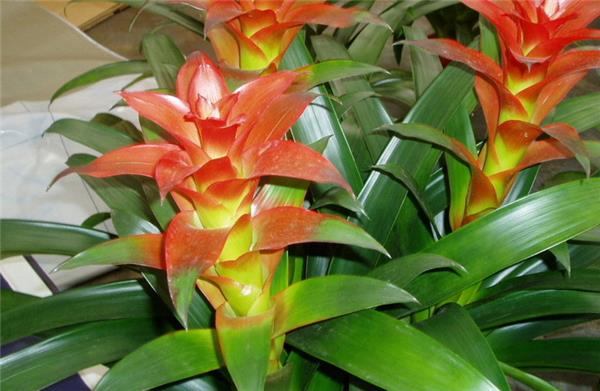
If you have ever seen a bromeliad flower, you certainly know how it got its name. Just as you see, its petals look very similar to pineapple leaves, and its blossoms are gorgeous with splendid patterns that are truly fascinating. Beyond its appearance, it can also purify indoor air, filling the home with green vitality while fulfilling its flower meaning - perfection. Such a wonderful flower is of course also easy to grow. Below we introduce the care methods for bromeliads.
I. Bromeliad Care Methods
Key Point for Bromeliad Care - Water
Water is the source of life and the key to development. The water bromeliads prefer should ideally have a pH of 5.5-6.5, which is most conducive to nutrient absorption and can also reduce the stress the roots bear from the outside environment. So the ideal choice is to water with rainwater; if that is not available, watering with lake water and surface water is also fine. If conditions allow, you can buy a spray bottle, which not only helps prevent water from accumulating at the bottom of the pot but also lowers the indoor temperature.
Key Point for Bromeliad Care - Light
Bromeliads are indoor plants that prefer shade and are not suited to direct sunlight, but they do need sunlight exposure. According to traditional growing experience, 3 hours a day is best. In spring and autumn this goes without saying, but it is worth noting that in summer there must be no direct sunlight, and in winter the temperature must be above 10°C and below 20°C, which helps the plant rest and will not affect the next year's growth.
II. Precautions for Bromeliad Care
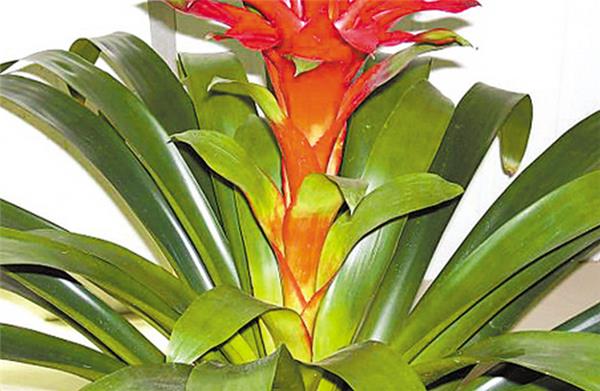
Bromeliads originate from tropical regions and are sensitive to cold, so in winter the temperature during cultivation must reach above 5°C to avoid disease. Because bromeliads in their native state grow epiphytically under tropical rainforests, their need for sunlight is not very high either; on the contrary, too much sun exposure can cause yellowing leaves and dry flower tips. So the best place to keep a bromeliad is a semi-shaded, ventilated spot to prevent scorching sun exposure.
Water is also a condition for growing bromeliads well. Generally we grow bromeliads as potted plants at home, so the potting soil for bromeliads should be kept slightly dry on the surface and must not be too wet; if it is too moist, the roots can easily rot. How do you maintain this moisture level? The leaf base of a bromeliad has a leaf cup, and inside the leaf cup there is a water reservoir; you just need to keep water in the reservoir. However, the water inside is best changed once every half month to prevent it from becoming foul. Usually you should also sprinkle some water on the leaves.
III. The Functions and Benefits of Bromeliads
1. Environmental role of bromeliads
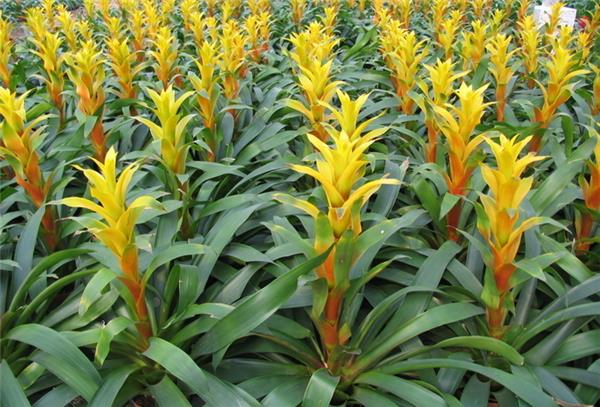
Ornamental bromeliads can also release oxygen at night. For most plants, when their leaves carry out photosynthesis during the day, their stomata open, and at night when the plant enters a sleep state, the stomata close. Bromeliads are just the opposite. This phenomenon is called Crassulacean acid metabolism in botany. Under this process, ornamental bromeliads absorb a large amount of carbon dioxide and release oxygen at night. Therefore, placing a pot of bromeliads in a room means having a home oxygen bar. Absorbing radiation (legend says the effect is better than cactus) - there is no confirmed evidence, but purifying the air environment is absolutely real.
2. Bromeliad as food
The pineapple everyone often eats is also known as bromeliad (the edible kind). But: besides being rich in vitamin C and sugar, the flesh of the pineapple also contains quite a few organic acids, such as malic acid and citric acid, and it also contains an enzyme called bromelain, which can break down protein. If you eat it without first soaking it in salt water, this enzyme irritates the delicate mucous membranes of our mouth and the tender skin of our lips, giving us a tingling, stinging sensation. Pineapple-flavored foods are very popular with the public, for example: pineapple-flavored mooncakes.
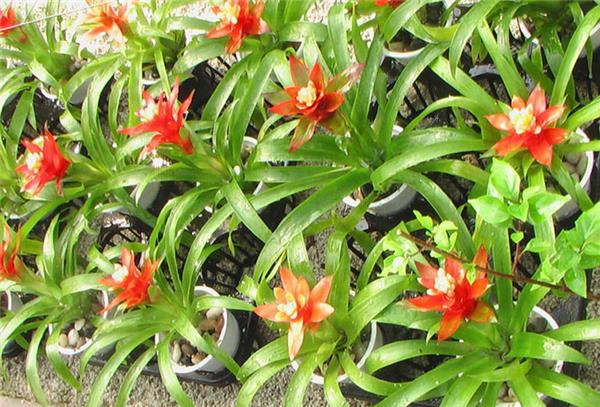
The most important thing in growing bromeliads is still to care for them according to their growth patterns, which can extend their flowering period. The above are the care methods and precautions for bromeliads. We hope this helps you, the reader.