A Detailed Guide to Water Lily Cultivation Methods and Precautions
When water lilies are mentioned, is the first thing that comes to mind the lotus? This is because their appearance is somewhat similar. Water lilies and lotuses are both common flowers, so how should water lilies be grown, and what are the cultivation methods and precautions for water lilies?
I. Water Lily Cultivation Methods
1. Water level control: Whether grown in pots, vats, ponds or fields, the water level should not be too deep at the initial stage, and should gradually be deepened as the plant grows. For water lilies grown in ponds, attention should be paid to drainage during the rainy season, and they must not be submerged by large volumes of water. However, being submerged for 1-2 days will not cause the water lily to die.
2. Topdressing: Water lilies require a relatively large amount of fertilizer. During the growing period, if the leaves are yellow and thin and the growth is weak, topdressing is needed. For potted plants, urea, potassium dihydrogen phosphate, etc. can be used as topdressing. For pond planting, cake fertilizer, farmyard manure, urea, etc. can be used as topdressing (cake fertilizer and farmyard manure are also quite good as base fertilizer).
3. Pest and disease control: The main pests harming water lilies are snails, which can be killed with molluscicides or captured manually. For disease control, the methods used for lotus can be referred to.
4. Wintering management: Hardy water lilies can overwinter naturally in ponds. However, they must not be dehydrated throughout the winter and a certain water layer must be maintained. If potted water lilies are placed outdoors, when the minimum winter temperature is below -8 degrees C, they should be covered with weeds or agricultural film to prevent the tubers from freezing. Placed indoors, they can overwinter safely. Tropical water lilies should be moved into a greenhouse with a temperature no lower than 15 degrees C for storage. In May of the following year, move them out again for cultivation.
II. Precautions for Water Lily Cultivation
Repotting and soil replacement: Around the Spring Equinox each year, in combination with division of the plants, repot and replace the soil to keep the soil fertile and meet the nutrient needs of the water lily.
Expanding the water surface: If the water surface is small, the leaves overlap, which will affect flowering. It is best to grow potted plants in nested vats, and providing more than 1 sq m of water surface per plant can promote more flowering.
Applying more fertilizer: For potted water lilies, generally it is enough to choose fertile soil and add some chicken manure and bone meal as base fertilizer when planting. To encourage more flowering, several applications of topdressing based mainly on phosphorus and potassium can be added during the flowering period. Never apply too much nitrogen fertilizer, otherwise, because vegetative growth is too vigorous, reproductive growth will be inhibited, resulting in poor flowering or no flowering.
Pest control: The leaves of water lilies are easily attacked by leaf-eating pests such as the noctuid moth, causing damage to the leaf surface and reducing photosynthesis, which will inevitably affect flowering, so timely control is necessary.
III. The Functions of Water Lilies
1. Ornamental value
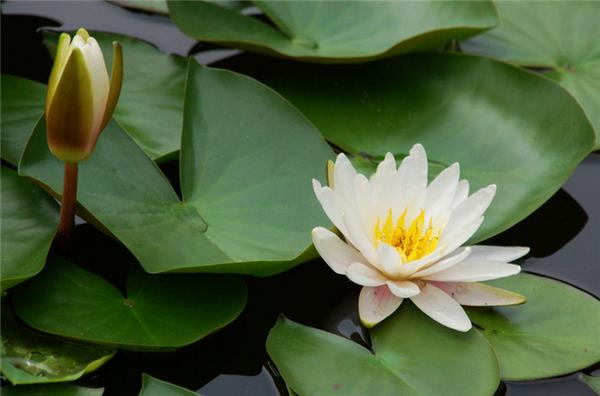
The water lily is a perennial emergent herb and an ornamental plant with both beautiful flowers and leaves. It has rich flower colors and a long flowering period, and is deeply loved by people. Planted in clusters along the banks of lakes and ponds, or used as an accent in courtyard waterscapes and at a corner of a rockery near the water, it has excellent ornamental value.
2. Decorating the home
Growing water lilies in pots at home not only gives a refreshing feeling but also adds interest. Among water lilies, miniature varieties can be used to decorate rooms. Plant them in an elegant small pot, pair them with a refined and graceful pot stand, and place them in an appropriate position. Then this small living thing, with its glossy green leaves, delicate flower buds and faint, elusive fragrance, bathed in indoor lighting and complementing the other decorations in the room, is pleasing to the eye and gives the room more charm and appeal.
3. Purifying water bodies
Water lily roots can absorb toxic substances such as mercury, lead and phenol in water, and can also filter microorganisms in water. They are a rare plant material for water purification, so they are highly valued in the construction of urban water purification, greening and beautification.
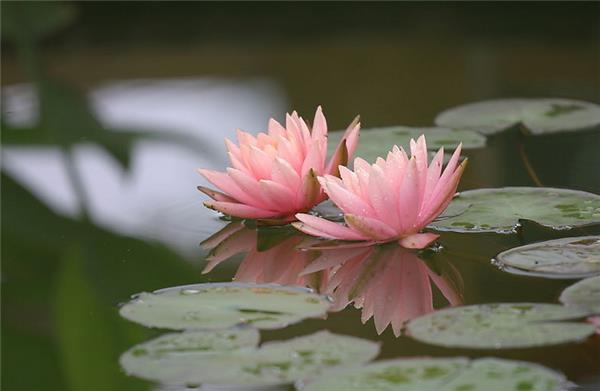
It is widely known that water lilies have high ornamental value, but they also have many other functions such as purifying water bodies, medicinal use and edible use. They are a plant with a wide range of uses. Owners who like water lilies should not miss out and can grow them at home to beautify and decorate their homes.