How to care for a potted money tree? Gardeners share their care methods
The money tree is a perennial herbaceous flower introduced from abroad in recent years. The plant height is 50 cm to 80 cm. On the underground corm grow pinnate compound leaves like those of Zamia cycads or ferns. The leaf stalks are fleshy, with 7 to 10 pairs of leaflets. The leaflets are oval-shaped, like pairs of neatly arranged copper coins. The spathe is reddish-brown. Potted money trees are basically quite easy to grow. So how do you care for a potted money tree? Below I will tell everyone the methods for potted money trees.
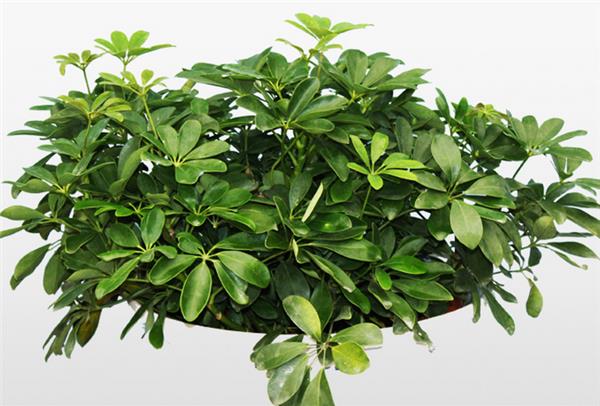
I. How to care for a potted money tree
1. The money tree likes a warm, highly humid environment with good air circulation. In winter it needs to be placed indoors in a room with heating equipment, but do not place the pot too close to the radiator. In summer, when the temperature exceeds 30°C, it can be moved to a ventilated room on the north side. Do not water if the surface soil in the pot is not dry; when watering, water thoroughly, until water seeps out. Relatively high air humidity must be maintained, and leaf spraying can be used. If tap water is used for watering, it is best to let the tap water sit in the sun for half an hour. Light helps break down oxides in tap water. Make sure there is no water on the leaf surface at night. Keep the leaf surface clean often, and you can frequently wipe the leaves with a dry soft cloth.
2. Money tree cultivation has no special requirements for soil; ordinary soil is fine, and loose, breathable soil is even better. For potted money trees, a mix of 1 part peat soil, 1 part garden soil, and 1 part river sand can be used, with cake fertilizer and other materials applied as a base fertilizer. During the growing season, water and fertilizer must be sufficient to keep the potting soil moist. In summer, in addition to keeping the substrate moist, water should also be sprayed on the leaves and the ground. Apply a thin fertilizer solution once a month, mainly nitrogen fertilizer. In summer, give the money tree appropriate shade to avoid direct strong light. The overwintering temperature must be kept above 10°C; prolonged low temperatures will cause root rot.
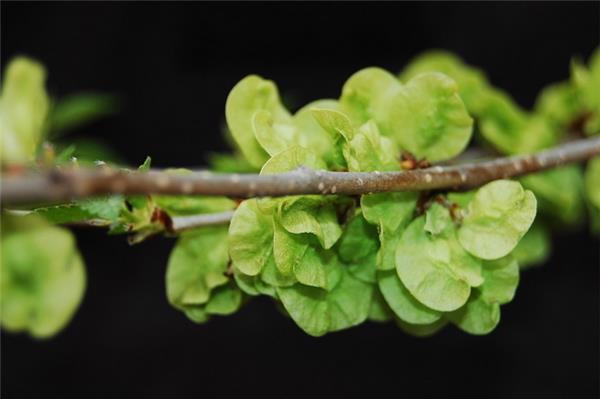
II. Precautions for money tree cultivation
For the soil used to grow it, deep and moist soil is the best. It also likes sunlight and can tolerate partial shade and cold. It has a deep root system, so its ability to produce suckers is relatively strong. It can also tolerate drought and poor soil, and can even tolerate short-term waterlogging. It also has relatively strong resistance to smoke and dust.
Generally, propagation of the money tree is mainly by sowing, and division or root cuttings are also possible. When the fruit ripens in autumn, it can be harvested, and it should also be dried in time and then shelled. Because the seed coat is hard and not easily permeable to water, if it is not treated, spring sowing the next year will often fail to germinate. Therefore, sowing after shelling in autumn is the best choice. Of course, it can also be treated by stratification with wet sand and then spring-sown.
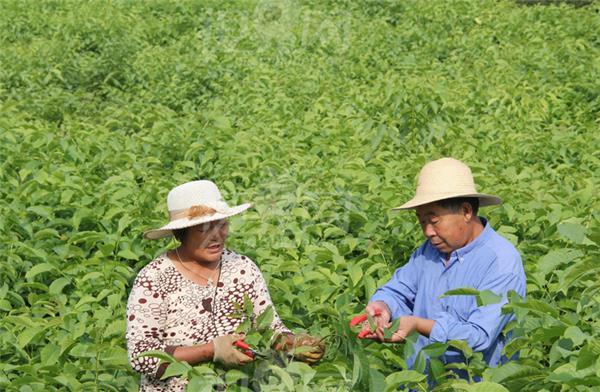
III. Common problems in potted money tree cultivation
Problem 1: What to do if the money tree's leaves turn yellow
You should choose a suitable temperature and humidity for the money tree and apply fertilizer appropriately. Only by doing these things, and also by having a small number of leaves on the lower part of the money tree, is this basically normal. At the same time, if the potting soil is too dry or too wet, it will cause the leaves to turn yellow, so you can check all aspects of cultivation to find the cause of the yellowing leaves.
Problem 2: Diseases and pests
Common diseases and pests generally include gummosis, aphids, and the peach red-necked longhorn beetle, and so on.
Gummosis: Before budding in early spring, spray lime sulfur mixture once every 10 days, for two consecutive sprays, to kill overwintering pathogens. During the disease period, spray chlorothalonil or carbendazim at 800 to 1000 times dilution.
Aphids: Spray 1500 to 2000 times dilution of 40% omethoate emulsifiable concentrate or soil aphid-control emulsifiable concentrate, etc.
Peach red-necked longhorn beetle: Trunk injection with chemicals can be used to control the peach red-necked longhorn beetle with good results; systemic insecticides can be selected.
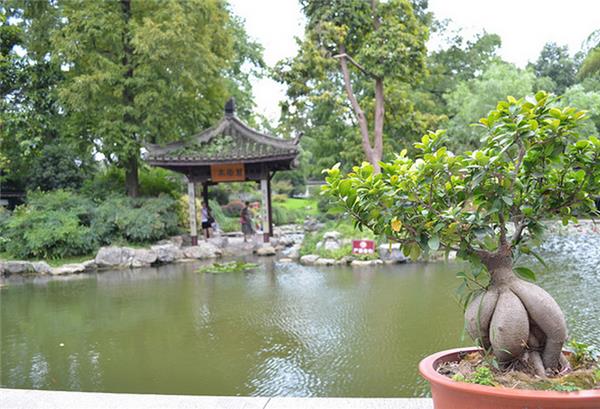
In short, money tree management is relatively extensive and very suitable for home planting. Growing it indoors can also purify indoor air, remove formaldehyde, and protect against radiation.